
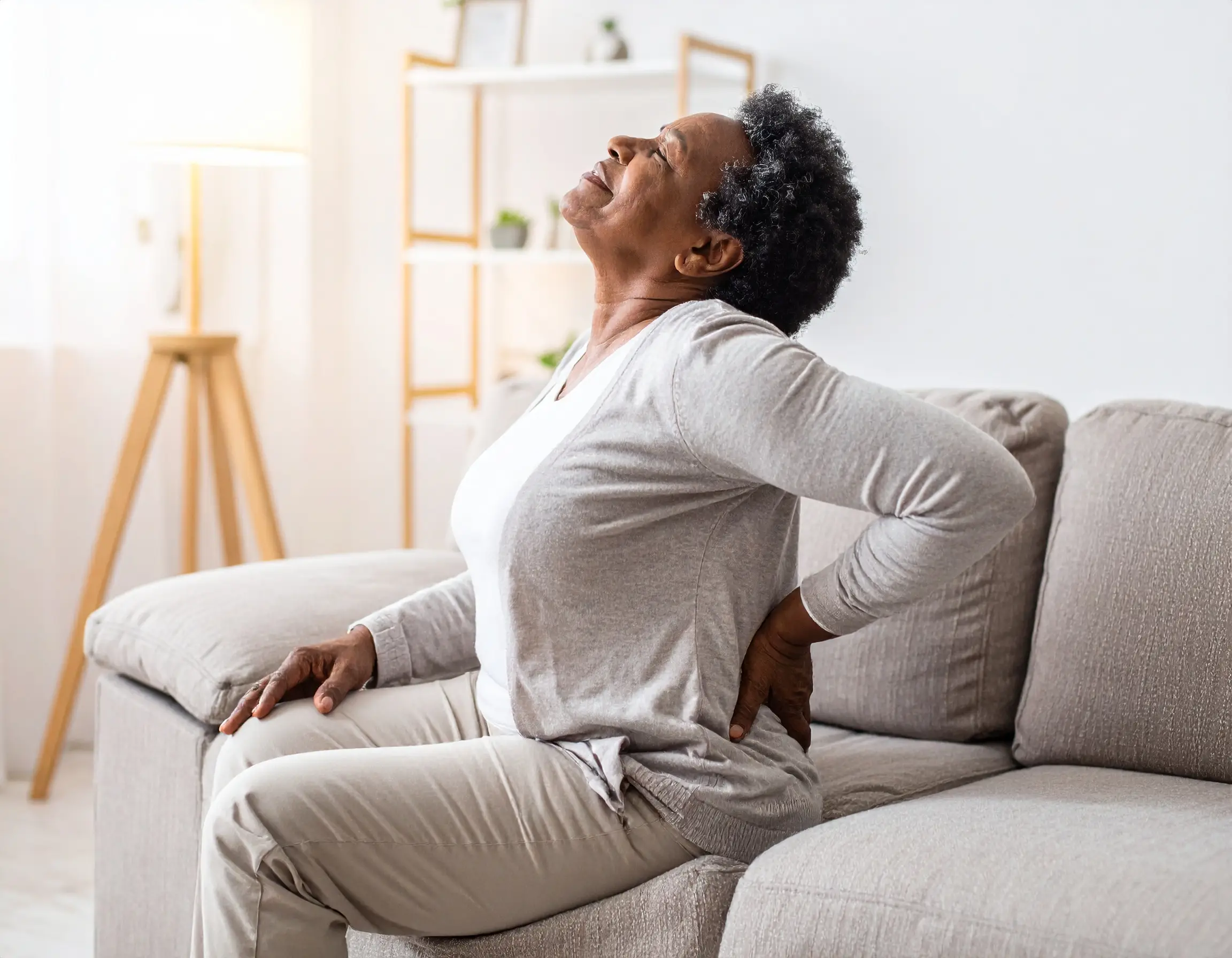
Osteoporosis is often called a “silent disease” because it can progress without obvious symptoms until bones become so weak that a fracture occurs. This common condition – affecting millions worldwide (about 1 in 3 women and 1 in 5 men over 50 will suffer an osteoporotic fracture in their lifetime) – causes bones to become weak and brittle. Knowing the warning signs is crucial for early detection and prevention. In this article, we outline five common symptoms of osteoporosis and explain why you shouldn’t ignore them.
Understanding Osteoporosis and Its Silent Nature
Osteoporosis literally means “porous bone.” It occurs when the body loses too much bone mass or makes too little new bone, leading to fragile bones that break easily. Early on, there are usually no symptoms; bone loss happens quietly. Once osteoporosis has set in, however, you might start to notice certain signs as your bones grow weaker. Recognizing these symptoms is important, because early intervention (through medications, diet, and exercise) can help strengthen bones and reduce fracture risk.
5 Common Symptoms of Osteoporosis
Once bones have been significantly weakened by osteoporosis, a number of signs and symptoms can appear. Here are five of the most common symptoms to watch for:
Back Pain (Spinal Pain)
Unexplained back pain, especially in the lower or mid-back, can be one of the first signs of osteoporosis. This pain is often caused by compression fractures in the spine – tiny fractures or collapses in the vertebrae. A fractured vertebra can lead to sharp, chronic back pain that doesn’t go away. In fact, a sudden bout of severe back pain could indicate a spinal bone break even if you haven’t had a major fall. Osteoporotic compression fractures in the spine are a frequent cause of back pain and may occur with only mild strain or no obvious injury at all. If you experience sudden back pain that isn’t explained by an injury, especially if you are older or have risk factors for bone loss, take it seriously and consult a healthcare provider.
Loss of Height
Have you noticed that you (or an older loved one) have become shorter over time? Significant height loss is a hallmark symptom of osteoporosis. As osteoporosis weakens the spinal bones, they can collapse or compress, leading to a reduction in your overall height. Often, multiple tiny compression fractures in the spine accumulate and cause you to lose inches. For example, losing more than about an inch of height may be a red flag. This height loss often happens gradually, so it might be noticed when clothing fits differently or when someone else points it out. Keep track of height as you age – a noticeable decrease could indicate changes in your spine due to osteoporosis.
Stooped Posture (Kyphosis)
A hunched or stooped posture – sometimes called a “dowager’s hump” – is another classic sign of osteoporosis. Weakened vertebrae in the spine may collapse forward, causing a forward curvature of the upper back known as kyphosis. People with advanced osteoporosis often develop this slumped posture as their spine curves forward.
It might start as a slight slouch and become more pronounced over time. In addition to the visible curve in the back, severe kyphosis can lead to other issues like neck or back muscle strain and even reduced space for the lungs and stomach in very advanced cases. If you notice that an older person’s upper back is looking more rounded or they need to stoop forward, it could be due to osteoporotic changes in the spine.
Frequent Bone Fractures
Suffering fractures from minor incidents is a major warning sign. Osteoporosis makes bones so brittle that even mild stresses can cause a break. Common fracture sites are the wrist, hip, or spine. For instance, a simple slip on a carpet, a small fall from standing height, or even a strong sneeze or cough in severe cases can result in a broken bone if osteoporosis is present.
Often, a fragility fracture (a fracture from a low-impact event) is the event that leads to an osteoporosis diagnosis. If you experience a fracture that seems disproportionate to the cause (for example, breaking a rib from a cough or cracking a wrist from a minor fall), it should raise concern. Multiple fractures over a short period are especially indicative of an underlying bone density problem. Remember, a bone that breaks much more easily than expected is a key sign of osteoporosis.
Weakened Grip Strength
Surprisingly, reduced grip strength can be a subtle sign of osteoporosis and overall frailty. You might notice it becoming harder to open jars, carry groceries, or grip objects firmly. While grip weakness itself isn’t a “bone symptom,” it often correlates with lower muscle mass and bone density. In fact, studies have found that low hand-grip strength in older adults is associated with lower bone mineral density and a higher risk of osteoporosis.
Clinically, healthcare providers sometimes use grip strength as an indicator of musculoskeletal health. Osteoporosis can contribute to muscle weakness because bones and muscles work together; as bones thin, you may unconsciously use your muscles less due to pain or fear of fractures, leading to weakness. A weakened grip is often an early warning sign of declining bone and muscle strength. If your handshake has gotten noticeably weaker or daily tasks requiring grip are becoming difficult, it may be worth getting your bone health evaluated.
Important
In the early stages, osteoporosis may not cause any symptoms at all. Many people won’t know their bones are fragile until the first fracture happens. That’s why it’s vital to stay alert to signs like the ones above, especially if you have risk factors (such as postmenopausal status, a family history of osteoporosis, smoking, low calcium intake, or long-term steroid use). Do not ignore these symptoms if they appear – they are your body’s warning signals.

Why Recognizing Symptoms Early Is Crucial
Identifying the symptoms of osteoporosis early can make a big difference in outcomes. If you catch osteoporosis in its mid-stages (before a devastating hip fracture, for example), you can seek treatment to slow bone loss and reduce your fracture risk. Doctors diagnose osteoporosis with a bone density scan (DEXA scan). It’s a painless test that can confirm if your bone density is low. If you’ve noticed any combination of height loss, stooped posture, unexplained back pain, or have had fractures from minor accidents, talk to your healthcare provider about getting a bone density test. Early diagnosis means you can start treatments to strengthen your bones before you suffer serious fractures.
Equally important, recognizing these signs in yourself or others should prompt preventive action. Osteoporosis management often includes medications (like bisphosphonates or other bone-building drugs) as well as lifestyle changes. This is where physiotherapy and exercise come in: weight-bearing exercise and strength training help maintain bone density and improve balance, which can prevent falls.
In fact, tailored exercise programs under the guidance of a physiotherapist or healthcare professional can significantly improve posture, core strength, and stability for someone with osteoporosis. By improving muscle strength and balance, you lower the chance of falls that cause fractures. Gentle physical therapy can also help alleviate back pain from compression fractures and teach safe ways to move and perform daily activities without putting undue stress on fragile bones.
Taking Action and Conclusion
Osteoporosis may be silent at first, but it doesn’t need to sneak up on you. Pay attention to the clues your body provides. Back pain that isn’t explained, getting shorter or developing a hunched back, unexpected bone breaks, or a noticeably weaker grip are all reasons to consult a medical professional. They can evaluate your bone health with proper tests and start a management plan if needed.
While osteoporosis is a serious condition, there are many ways to manage it and maintain a good quality of life. Early intervention – from medications that strengthen bone to physiotherapy-guided exercise – can help slow bone loss and reduce the risk of fractures. If you or a loved one show signs of these five symptoms, don’t ignore them. Talk to your doctor or physiotherapist about your concerns. With the right steps, you can strengthen your bones, improve your posture and balance, and continue to lead an active, healthy life even with osteoporosis.