
Osteoporosis is often called a “silent disease” because bone loss occurs without obvious symptoms. It is a condition that weakens the bones, making them fragile and more prone to fractures. But which part of the body does this condition impact the most? In this article, we’ll explore the primary organ system affected by osteoporosis – the bones – and explain why certain bones are especially vulnerable. We’ll also discuss how this relates to physiotherapy, including prevention and management strategies to maintain strong bones and reduce fracture risk.
Understanding Osteoporosis
Osteoporosis is a bone disease characterized by loss of bone mineral density, leading to weak and brittle bones. Over time, bones become so fragile that even mild stresses such as bending over or coughing can cause a break.
The condition is very common in older adults; for example, it’s estimated that about one in four women and one in eight men over the age of 50 in Canada have osteoporosis. Osteoporosis affects both sexes but is more frequent in women (especially after menopause due to lower estrogen). Because bone loss happens gradually and without pain, osteoporosis often isn’t detected until a fracture occurs – hence the “silent” nature of the disease.
Figure: Healthy bone vs. osteoporotic bone. The porous structure of osteoporotic bone (right) results from loss of calcium and other minerals, making it much weaker and prone to breaks. In osteoporosis, bones become thinner and less dense than normal, greatly increasing the risk of fractures.
Bones: The Organ System Most Affected by Osteoporosis
Osteoporosis primarily affects the skeletal system – in other words, it targets our bones. Bones are living organs that constantly undergo a renewal process (old bone tissue is broken down and new bone is built). In osteoporosis, this balance is disrupted: the creation of new bone doesn’t keep up with the removal of old bone, resulting in a net loss of bone density. This disease can weaken all bones in the body, but it tends to cause fractures in specific areas that bear a lot of stress or are crucial for mobility. In fact, the wrist, spine, and hip bones are most commonly associated with osteoporotic fractures. Let’s look at each of these areas and why they’re so vulnerable:
Spine (Vertebrae)
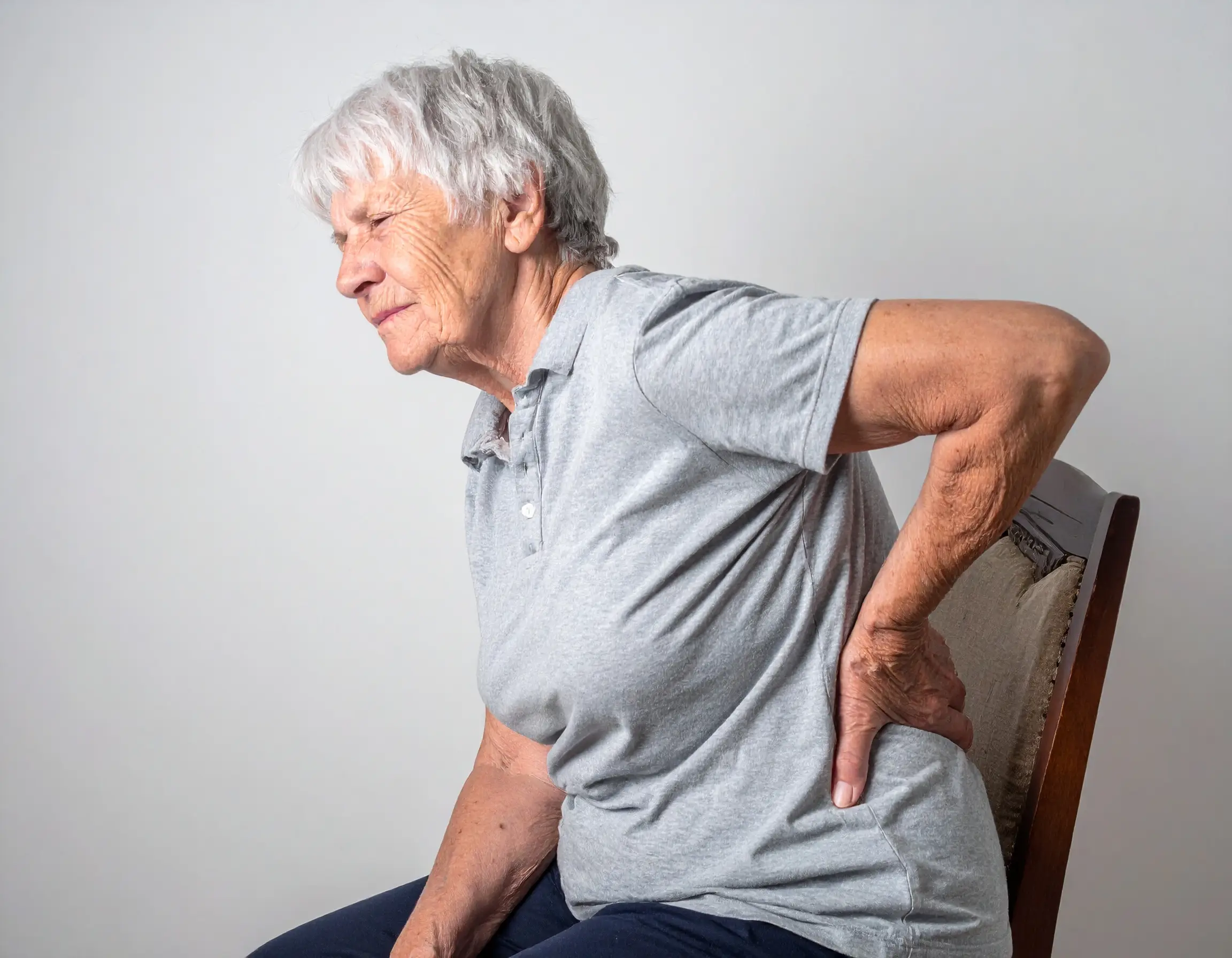
The bones of the spine are especially prone to osteoporosis-related fractures. Tiny fractures in the vertebrae (spinal bones) can accumulate, leading to back pain, loss of height, and a hunched posture known as kyphosis. People with osteoporosis most often break bones in the thoracic (upper) spine, which can cause a permanent stooped shape. Multiple compression fractures in the spine reduce spinal stability; when the curvature becomes severe, it can even make it harder to breathe or eat because the curved spine compresses the chest and abdomen.
Hip (Femur neck)
The hip is another common site of osteoporotic fractures, particularly fractures of the femoral neck (the upper part of the thigh bone that connects to the hip joint). Hip fractures often happen from a standing fall and are a serious concern in older adults. These fractures can lead to severe disability; fewer than 50% of seniors who suffer a hip fracture regain their previous level of function, and many become permanently disabled. Tragically, hip fractures are also associated with increased mortality in the year following the fracture. This makes prevention of hip fractures a top priority in osteoporosis care.
Wrist (Forearm)
Wrist fractures (often involving the radius bone in the forearm) are very common in people with osteoporosis. They typically occur when someone with weakened bones falls and tries to break the fall with an outstretched hand. While a wrist fracture may not be life-threatening, it can significantly impact a person’s independence – for example, by impairing their ability to perform daily tasks – and it often serves as a warning sign of underlying bone loss. Early intervention after a wrist fracture can help prevent more serious fractures elsewhere in the body.
In summary, bones – especially those in the spine, hips, and wrists – are the organs most affected by osteoporosis. These bones bear much of our body weight or are crucial in breaking falls, so when they become fragile, they are the most likely to break. Of course, osteoporosis can affect other bones (such as the ribs, pelvis, or shoulder), but the spine, hip, and wrist are the classic fracture sites seen with this disease.
Can Osteoporosis Affect Other Organs?
By definition, osteoporosis is a disease of bone tissue, so it does not directly weaken other organs like the heart, lungs, or liver. Its primary target is the skeletal system. However, severe osteoporosis can have indirect effects on other parts of the body due to the complications of bone loss and fractures. For example, when multiple vertebrae in the spine collapse, the resulting kyphosis (hunched back) can compress internal organs.
A forward-curving spine reduces space in the chest and abdomen, which may lead to breathing difficulties and digestive problems because the lungs and stomach are crowded. In fact, people with very pronounced kyphosis might experience shortness of breath or even a higher risk of pneumonia due to reduced lung capacity.
Major osteoporotic fractures can also set off a chain reaction of health issues. A hip fracture, for instance, can confine an elderly person to bed for a long period, and this immobility raises the risk of complications like lung infections, blood clots, or muscle wasting. So, while osteoporosis itself directly harms bones, the overall impact of the disease can influence the whole body’s health. It’s a stark reminder that maintaining bone health is crucial for keeping the rest of the body well.
Impact on Daily Life and Mobility
Untreated osteoporosis and its resulting fractures can significantly reduce a person’s quality of life. Broken bones – especially in the hip or spine – can cause chronic pain and reduced mobility. For example, someone with a spinal compression fracture may have lasting back pain that makes it difficult to perform routine activities like bending or lifting.
A hip fracture often requires surgery and rehabilitation, and many patients struggle with walking or need assistive devices afterward. Beyond the physical limitations, osteoporosis can also affect mental and emotional well-being. Individuals with very fragile bones may develop a constant fear of falling or breaking a bone, which can lead to anxiety and social withdrawal. It’s not uncommon for patients to avoid activities they used to enjoy because they worry about getting hurt. This combination of pain, disability, and fear can result in a loss of independence and feelings of isolation or depression.
The good news is that with proper management – including medication, lifestyle changes, and physiotherapy – many people with osteoporosis can continue to lead active, fulfilling lives. The key is to address the condition proactively and prevent fractures before they happen.
Preventing Bone Loss and Managing Osteoporosis
If you are at risk for osteoporosis or have already been diagnosed, there are several important steps you can take to protect your bones. Osteoporosis management typically involves a combination of lifestyle modifications, medical treatments, and preventative measures:
Nutrition (Calcium and Vitamin D)
Adequate intake of calcium and vitamin D is essential for bone health. Calcium is the primary mineral that makes up bone, and vitamin D is needed for your body to absorb calcium properly. Adults over 50 should aim for about 1200 mg of calcium per day and may require vitamin D supplements (around 800 – 1000 IU daily) to ensure proper absorption. A diet rich in dairy products, leafy greens, nuts, and fish can help you meet your calcium needs, while sensible sun exposure or supplements can maintain vitamin D levels.
Regular Weight-Bearing Exercise
Exercise is one of the most powerful tools for maintaining bone density. Bones and muscles get stronger when they are “stressed” by weight-bearing or resistance activities. Activities like walking, hiking, dancing, or stair-climbing, as well as resistance training (using weights or resistance bands), stimulate your bones to build strength. Regular exercise not only slows down bone loss but can even slightly increase bone density in some cases.
Aim for a combination of weight-bearing and muscle-strengthening exercises most days of the week, as tolerated. Important: If you already have osteoporosis, choose safe, low-impact exercises and avoid high-impact or twisting movements that could cause injury (for example, sit-ups or heavy lifting with poor form). A physiotherapist or exercise specialist can help tailor an appropriate program for you.
Balance and Fall Prevention
Since many fractures occur as a result of falls, improving your balance and making your environment safer are key parts of prevention. Exercises that enhance balance and coordination (such as tai chi, yoga, or specific balance training routines) can lower your risk of falling. You should also “fall-proof” your home by removing tripping hazards (loose rugs, clutter on the floor), ensuring good lighting, and installing grab bars or handrails where needed. Using assistive devices like a cane or walker, if recommended, can provide extra stability. Remember that preventing falls = preventing fractures in osteoporosis.
Healthy Lifestyle
Other lifestyle choices have a big impact on bone health. Do not smoke, as smoking accelerates bone loss – smokers can have significantly lower bone density and a higher risk of fractures than non-smokers. If you smoke, seek help to quit for the sake of your bones (and your overall health). Also, limit alcohol consumption, because excessive alcohol intake is linked to weaker bones and poor balance (not to mention it can interfere with calcium absorption). Moderation in alcohol and caffeine is advised as part of an osteoporosis-friendly lifestyle. Maintaining a healthy body weight is beneficial too – being underweight can increase bone loss, while obesity can make falls more likely, so aim for a balanced diet and regular activity.
Medical Treatment
Consult your healthcare provider about medications or supplements that might be appropriate. There are prescription medications (such as bisphosphonates, and others like denosumab or teriparatide) that can slow bone loss or even help build new bone mass in people with osteoporosis. Your doctor will evaluate your bone density (often via a DEXA scan) and fracture risk factors to decide if medication is recommended.
If you’re prescribed osteoporosis medication, make sure to follow the instructions carefully and continue with the recommended lifestyle changes in tandem. Medication plus lifestyle changes together can be very effective in reducing fracture risk.
By combining these approaches – good nutrition, exercise, fall prevention, healthy habits, and appropriate medical care – you give yourself the best chance to strengthen your bones or minimize further bone loss. It’s never too early or too late to invest in your bone health.

Physiotherapy’s Role in Osteoporosis Management
One of the key professionals who can help you implement many of the above strategies is a physiotherapist (physical therapist). Physiotherapy plays a valuable role in managing osteoporosis by focusing on improving your strength, balance, and mobility in a safe, controlled manner. In fact, physiotherapy offers a drug-free way to manage many osteoporosis-related issues – helping reduce pain, improve movement, and lower your risk of falls and fractures.
Here are some ways physiotherapists can help individuals with osteoporosis:
Exercise Prescription
A physiotherapist can design a personalized exercise program tailored to your needs and abilities. This is important because not all exercises are safe or effective for someone with low bone density. Your physiotherapist will likely include weight-bearing exercises (for example, supervised walking programs, gentle jogging, or step-ups) and resistance training (such as using light weights or resistance bands) to help stimulate bone strength.
These exercises “stress” the bones in a good way – encouraging your body to maintain or even increase bone density over time. Strengthening the muscles around your bones is also a focus, because stronger muscles can better support your skeletal frame and absorb impact, further protecting your bones.
Balance and Coordination Training
Physiotherapists are experts in balance training and can teach you exercises to enhance your stability. Improving balance is crucial in osteoporosis management, as it reduces the likelihood of falls. Simple balance exercises might include standing on one foot, tandem walking (heel-to-toe), or more advanced routines like tai chi. Research shows that regular exercise can improve balance and significantly lower the risk of falling in older adults. By working on your balance and leg strength, a physiotherapist helps you stay steady on your feet, which directly translates to fewer fall-related fractures.
Posture and Spinal Exercises
For those who have had spinal compression fractures or are developing a rounded back (kyphosis), physiotherapy can assist with postural correction. The therapist will guide you through gentle extension exercises to strengthen the back extensor muscles that help keep you upright. Good posture not only may reduce pain in the spine but also helps keep the chest open for better breathing. In fact, breathing exercises can be part of therapy as well – for example, diaphragmatic breathing techniques to improve lung expansion if osteoporosis has affected your ribcage or spine alignment. Maintaining an upright posture and good core strength can decrease strain on the spine and potentially slow the progression of kyphosis.
Pain Management and Functional Training
Chronic pain or fear of movement can be barriers for osteoporosis patients. Physiotherapists can employ techniques like heat therapy, gentle manual therapy, or hydrotherapy (exercise in warm water) to alleviate pain and relax stiff muscles. They also work on functional training, which means practicing safe ways to do daily activities – like how to bend or lift objects correctly, how to get up from a chair or the bed safely, etc.
This training builds confidence in movement. The ultimate goal of physiotherapy is to help you maintain an active lifestyle despite osteoporosis. Studies have shown that exercise is beneficial at all stages of osteoporosis – even if you’ve already had fractures, staying active under guidance can help you regain mobility and strength.
By collaborating with a physiotherapist, individuals with osteoporosis can effectively bridge the gap between medical treatment and day-to-day function. Medications can improve your bone biology, but it’s the targeted exercises and movement strategies from physiotherapy that translate into improved balance, stronger muscles, and better coordination in real life. This comprehensive approach significantly lowers the chance of falls and injuries. Importantly, it also empowers you – you learn what you can do safely, rather than just what to avoid, which is uplifting for confidence and independence.
Focus Physiotherapy: Your Partner in Bone Health
At Focus Physiotherapy, we understand the challenges that osteoporosis can bring, and we are here to help you manage them proactively. Our team of experienced physiotherapists works closely with clients who have low bone density or osteoporosis to develop personalized treatment plans aimed at improving bone health and overall function. We emphasize safe, effective exercises that strengthen your muscles and bones, improve your balance, and enhance your posture. Under our guidance, even those who have suffered fractures can work towards regaining mobility and reducing pain in a controlled, supportive environment.
Focus Physiotherapy is proud to offer a client-centered, educational approach – we not only guide you through exercises but also teach you techniques to protect your spine during daily activities and tips to prevent falls in your routine at home. Our clinics are equipped with modern rehabilitation tools (including balance training equipment and weight-bearing exercise facilities) to help you practice movements safely. We believe that with the right support, people with osteoporosis can continue to lead active and fulfilling lives.
Osteoporosis may weaken bones, but through targeted physiotherapy and lifestyle adjustments, you can strengthen your resilience. If you or a loved one is dealing with osteoporosis, our physiotherapists at Focus Physiotherapy are ready to assist. With six convenient clinic locations in the Greater Toronto Area (Etobicoke, Mississauga, Brampton, Bolton, North York, and York), we make it easy to access the care you need. Contact Focus Physiotherapy today to learn how we can help you improve your bone health, prevent fractures, and maintain your independence for years to come.