
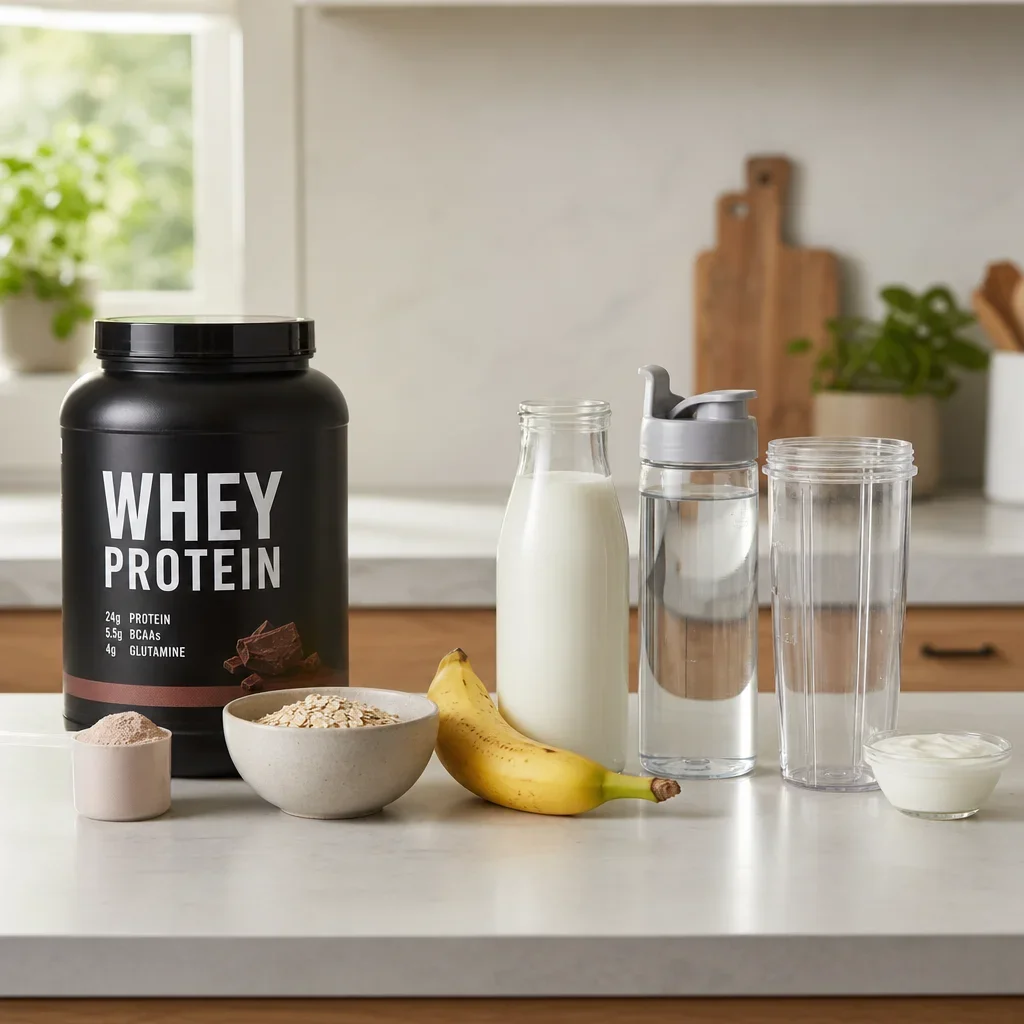
The best post workout shake bodybuilding plans are usually simple, not extreme. Start with protein, add carbs based on the session and your goal, use enough fluid to rehydrate, and treat the shake as a convenience tool rather than magic.
A practical post-workout recovery shake usually lands around 20–40 g of protein and 20–80 g of carbs depending on training volume, calorie target, and how soon you will eat a full meal . Total daily intake still matters more than perfect shake timing.
Quick answer: what a post-workout bodybuilding shake should contain
A good bodybuilding recovery shake puts protein first, carbs second, fluids third, extras last. For most lifters, that means a protein source like whey, milk, Greek yogurt, soy, or a plant blend; a carb source like fruit, oats, milk, juice, or honey; and 300–700 mL of fluid based on thirst, sweat loss, and shake thickness .
A shake works best when it solves a real problem. It helps if you train early, finish with low appetite, need something portable, or want a predictable way to hit your protein target. If you already eat a solid meal soon after training, a homemade post-workout shake is optional, not mandatory.
A simple build works like this:
- Protein: whey, Greek yogurt, milk, soy, kefir, or tofu
- Carbs: banana, oats, berries, cereal, juice, honey
- Fluid: water, milk, lactose-free milk, soy milk, coconut water
- Optional extras: creatine, cinnamon, cocoa, spinach, electrolytes
- Optional fat: peanut butter, almond butter, avocado, chia
When to drink a post-workout shake
A post-workout shake is usually most practical within 0–2 hours after training , but the old minute-by-minute anabolic window is overstated. Timing matters more if you trained fasted, your last meal was several hours earlier, you have another session the same day, or you know you will not eat soon.
A shake taken sooner can help because it is easy to drink when appetite is low. That matters after hard hypertrophy sessions, long conditioning work, and early-morning lifting. If you had protein before training and eat a full meal shortly after, the exact clock matters less than your total protein across the day.
Protein first: how much you need and which type is best
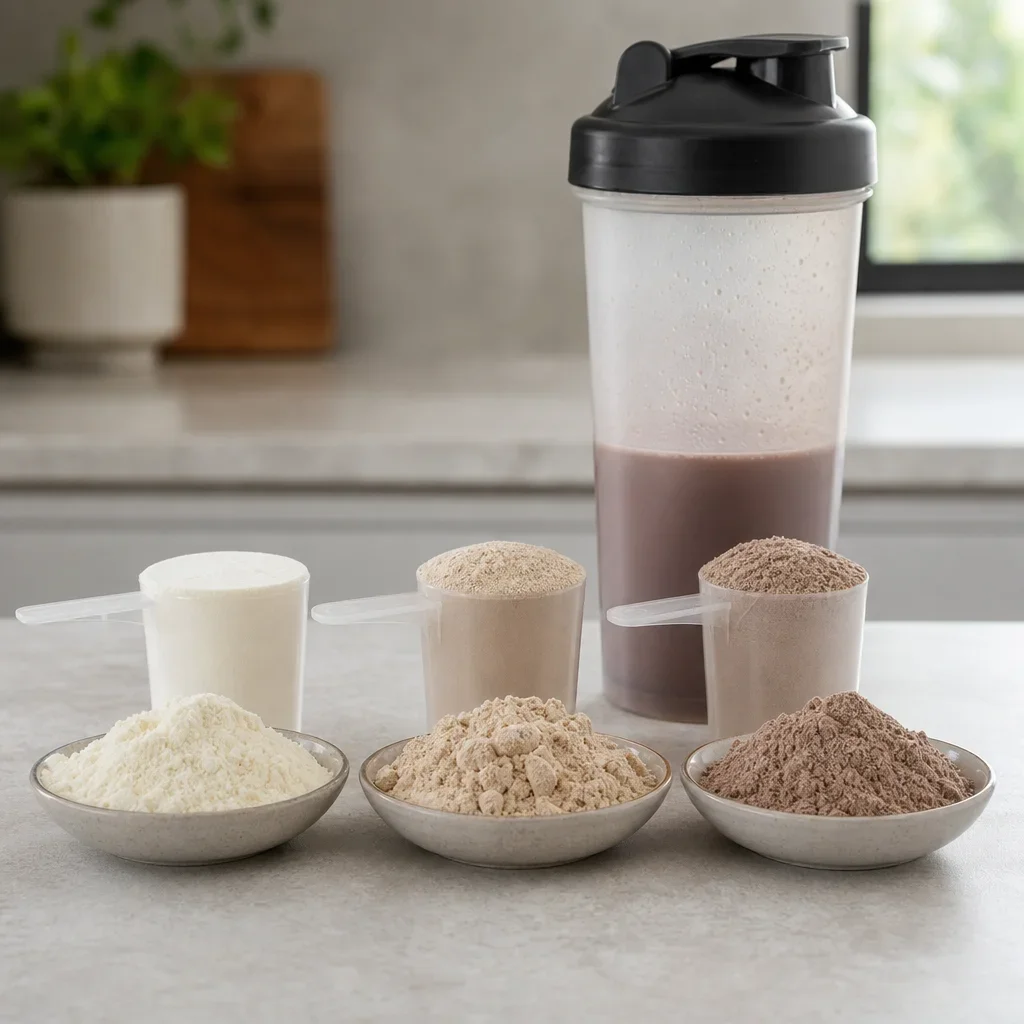
Most lifters do well with 20–40 g of protein in a post workout protein shake recipe . The lower end usually suits smaller athletes or lighter sessions. The upper end is more useful for larger athletes, harder sessions, or when the shake is replacing a meal.
Whey protein is common because it is convenient, mixes easily, and provides all essential amino acids. Whey isolate usually has less lactose than whey concentrate , so it can sit better for people who bloat with regular dairy. Casein digests more slowly , which makes it thicker and more filling, though it is still usable after training if that helps adherence.
Plant-based protein can work well when the total dose is high enough and the blend is solid. Soy is a complete protein , and pea-rice blends are commonly used to improve amino acid balance . I would compare the protein grams per serving and your digestion first, not the label hype.
| Protein type | Best use | Digestion | Lactose | Practical note |
|---|---|---|---|---|
| Whey isolate | Fast, light post-workout shakes | Fast | Low | Good for lactose-sensitive lifters |
| Whey concentrate | Budget-friendly shakes | Fast | Higher than isolate | Often creamier, may bother some stomachs |
| Casein | Thicker, more filling shakes | Slower | Varies | Fine if you want more satiety |
| Soy protein | Dairy-free recovery | Moderate | None | Strong plant option |
| Pea-rice blend | Plant-based muscle gain | Moderate | None | Check texture and flavour |
Do you need carbs after lifting? How to match carbs to your goal
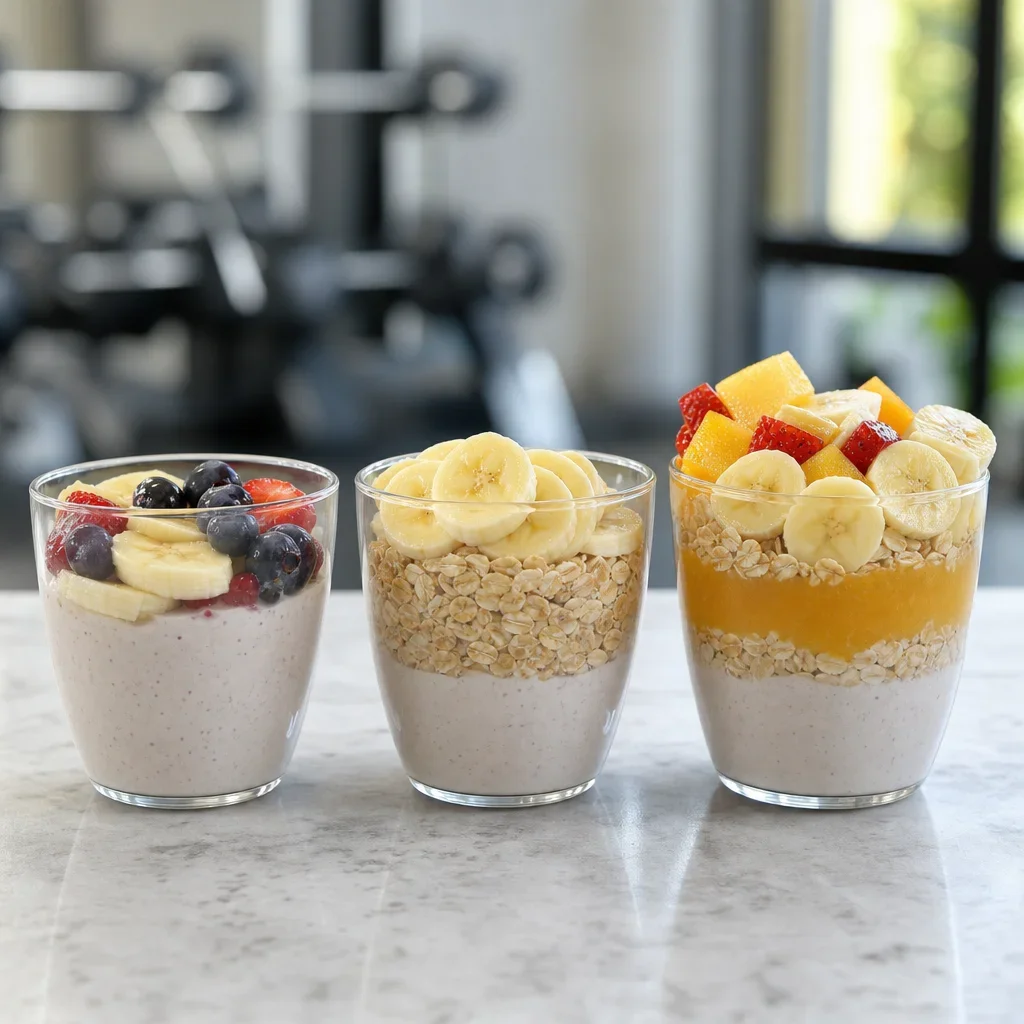
Carbs help most when the session was hard enough to deplete glycogen, when total calorie needs are high, or when you need to train again soon. A post-workout shake for muscle gain often includes more carbs because they help refill fuel stores and make it easier to hit calories without forcing another full meal.
A useful starting framework is 20–30 g of carbs after a short or lighter session, 30–60 g after a moderate hypertrophy session, and 40–80 g after longer, higher-volume, or same-day repeat training . Those are practical ranges, not universal rules. The right amount still depends on body size, training volume, and whether you are bulking, cutting, or maintaining.
If you are cutting, you do not automatically need to remove carbs. You just match them to the workout and your calorie budget. A banana or some berries may be enough after lifting, while a longer mixed session may justify oats, juice, or extra fruit even during a fat-loss phase.
Should you avoid fat in a post-workout shake?
You do not need to fear fat, but large amounts can make the shake digest more slowly and feel heavier. That is why many lifters keep fat low to moderate right after training, especially if the goal is a lighter post-workout recovery shake rather than a meal replacement.
A spoon of peanut butter, almond butter, or some avocado is fine if the shake needs to be more filling or calorie-dense. For bulking, that can help. For quick digestion after hard training, it usually makes sense to keep fats modest and put the calories into protein and carbs first.
Build-your-own formula: the easiest post workout shake recipe
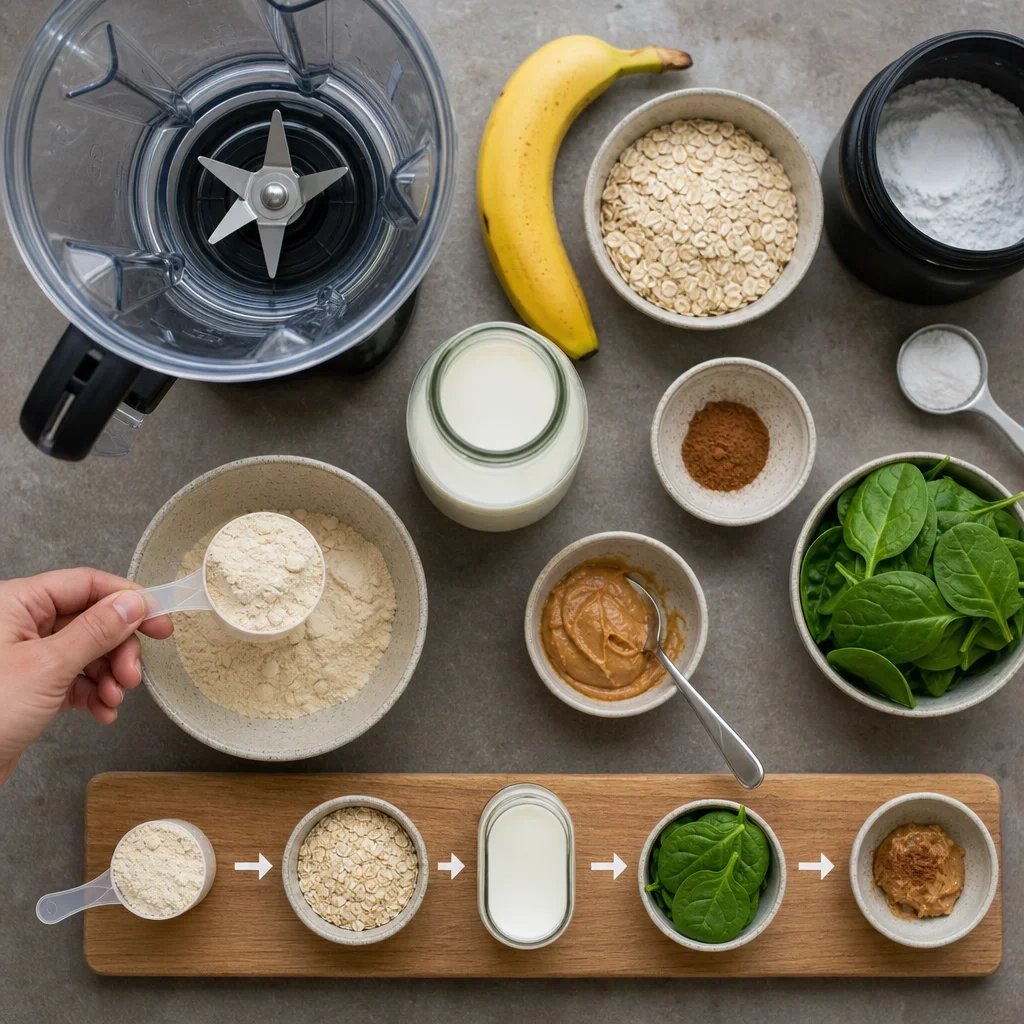
The easiest way to make a solid post workout shake recipe is to use a simple formula: 20–40 g protein + 20–80 g carbs + 300–700 mL fluid . Then adjust the carb side, not the whole shake, based on whether you are bulking, cutting, maintaining, or just trying to recover from a tough session.
Use this formula:
1. Pick 1 protein base: whey, milk, Greek yogurt, soy milk, kefir, silken tofu 2. Pick 1 carb source: banana, oats, berries, cereal, honey, juice 3. Pick 1 fluid: water, milk, lactose-free milk, soy milk, coconut water 4. Add extras if needed: creatine, cocoa, cinnamon, spinach, electrolytes 5. Add fat only if it serves the goal: nut butter, chia, avocado
This is a practical build-your-own guide:
| Goal | Protein | Carbs | Fat | Best use |
|---|---|---|---|---|
| Lean muscle gain | 20–40 g | 30–60 g | Low to moderate | Standard lifting recovery |
| Bulking | 25–40 g | 40–80 g | Moderate if needed | Extra calories with less volume |
| Cutting | 20–40 g | 20–40 g | Low to moderate | Protein-focused recovery |
| Maintenance | 20–35 g | 20–50 g | To preference | Flexible middle ground |
| High-sweat or repeat training | 20–40 g | 40–80 g | Lower | Faster refuelling and fluids |
Best ingredients for a muscle-building post-workout shake
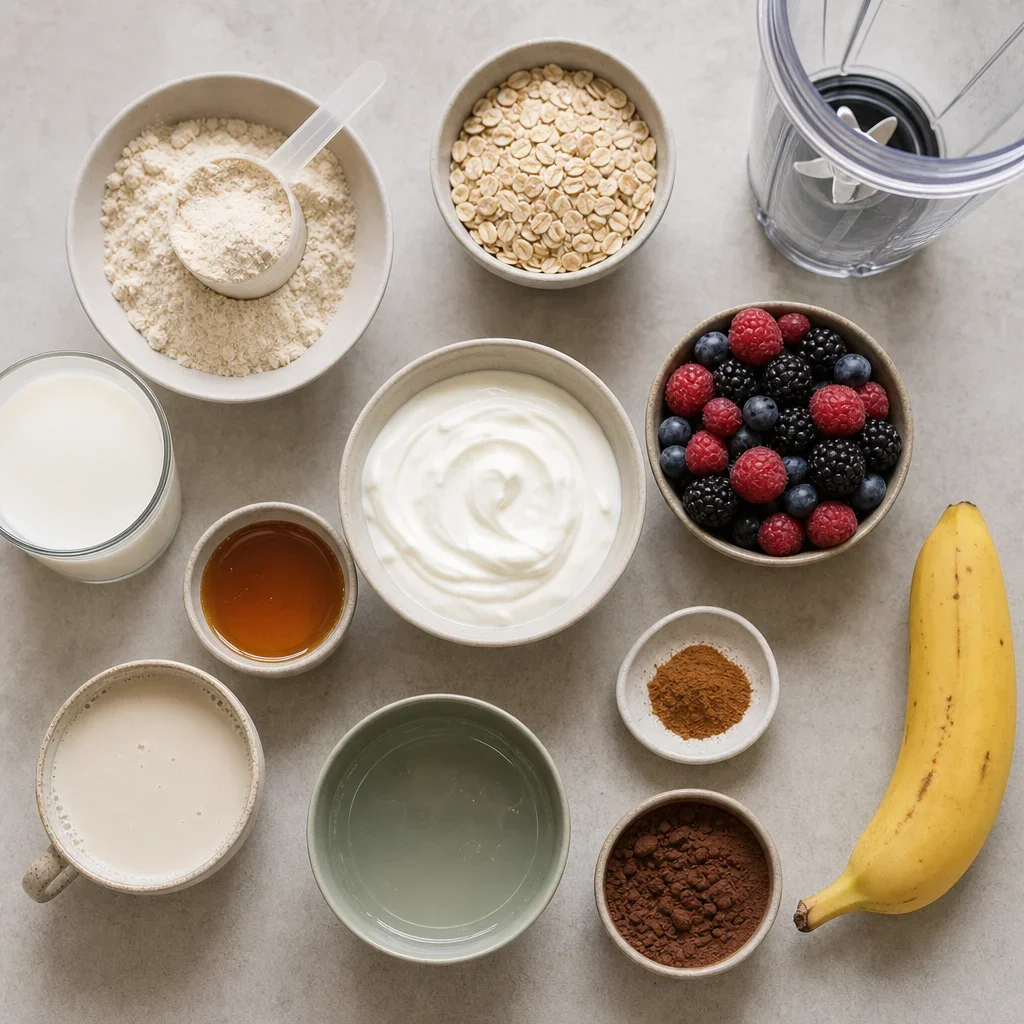
The best ingredients are usually basic foods that solve a clear job. Whey, milk, Greek yogurt, soy, and kefir help raise protein. Banana, oats, berries, honey, cereal, and juice help add carbs. Water, milk, and lactose-free milk control texture and calories. Coconut water can help with fluids and some electrolytes, but it is not automatically better than water or a regular sports drink in every setting .
A high-protein post-workout smoothie does not need exotic powders. Greek yogurt adds protein and thickness. Berries add flavour and carbs. Oats make the shake more filling. Cocoa and cinnamon improve taste without changing the purpose of the shake. I would rank usefulness over novelty every time.
This ingredient function table keeps the choices practical:
| Ingredient | Main job | Best for | Watch-out |
|---|---|---|---|
| Whey isolate | Fast protein | Light recovery shakes | Cost |
| Greek yogurt | Protein + texture | Thicker smoothies | Dairy tolerance |
| Banana | Easy carbs | Standard lifting recovery | Bruises quickly in storage |
| Oats | Added carbs + thickness | Bulking or meal-like shakes | Can feel heavy |
| Berries | Carbs + flavour | Cutting or maintenance | Less carb-dense than banana |
| Milk | Protein + carbs + fluid | All-purpose shakes | Lactose for some people |
| Soy milk | Dairy-free protein base | Plant-based plans | Check protein per cup |
| Coconut water | Fluid + some electrolytes | Hot or sweaty sessions | Usually low in protein |
Optional supplements: what may help and what is often unnecessary
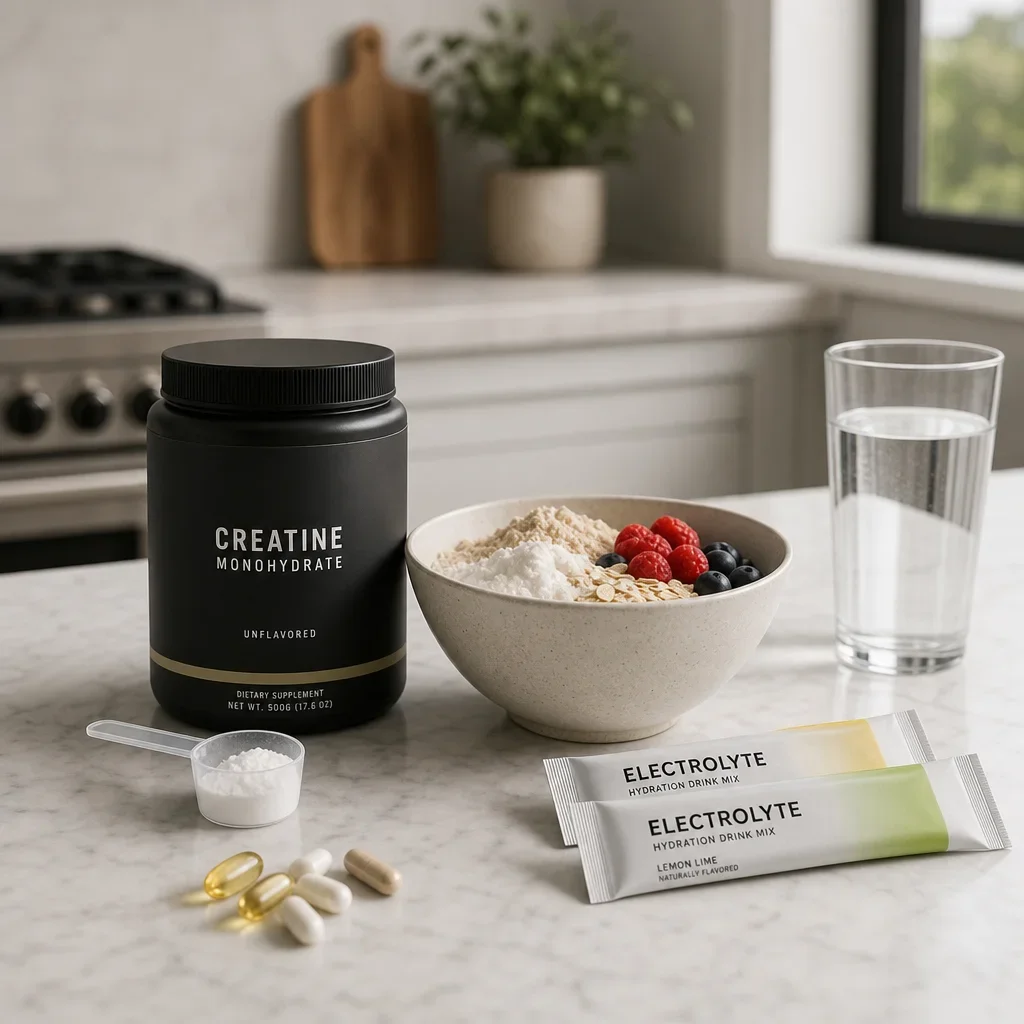
Supplements should sit on top of a solid shake, not replace it. Creatine monohydrate at 3–5 g per day is one of the better-supported sports nutrition supplements , but it does not have to be taken immediately after training to work.
Electrolytes matter more when sweat losses are high, sessions run long, or training happens in the heat. BCAAs are usually less useful when total daily protein is already adequate . Leucine gets attention because it helps signal muscle protein synthesis , but most complete protein servings already bring leucine with them.
Collagen powder is not a complete replacement for a primary muscle-building protein source . If you use it, think of it as a separate add-on, not the backbone of your bodybuilding recovery shake.
7 goal-based post-workout shake recipes
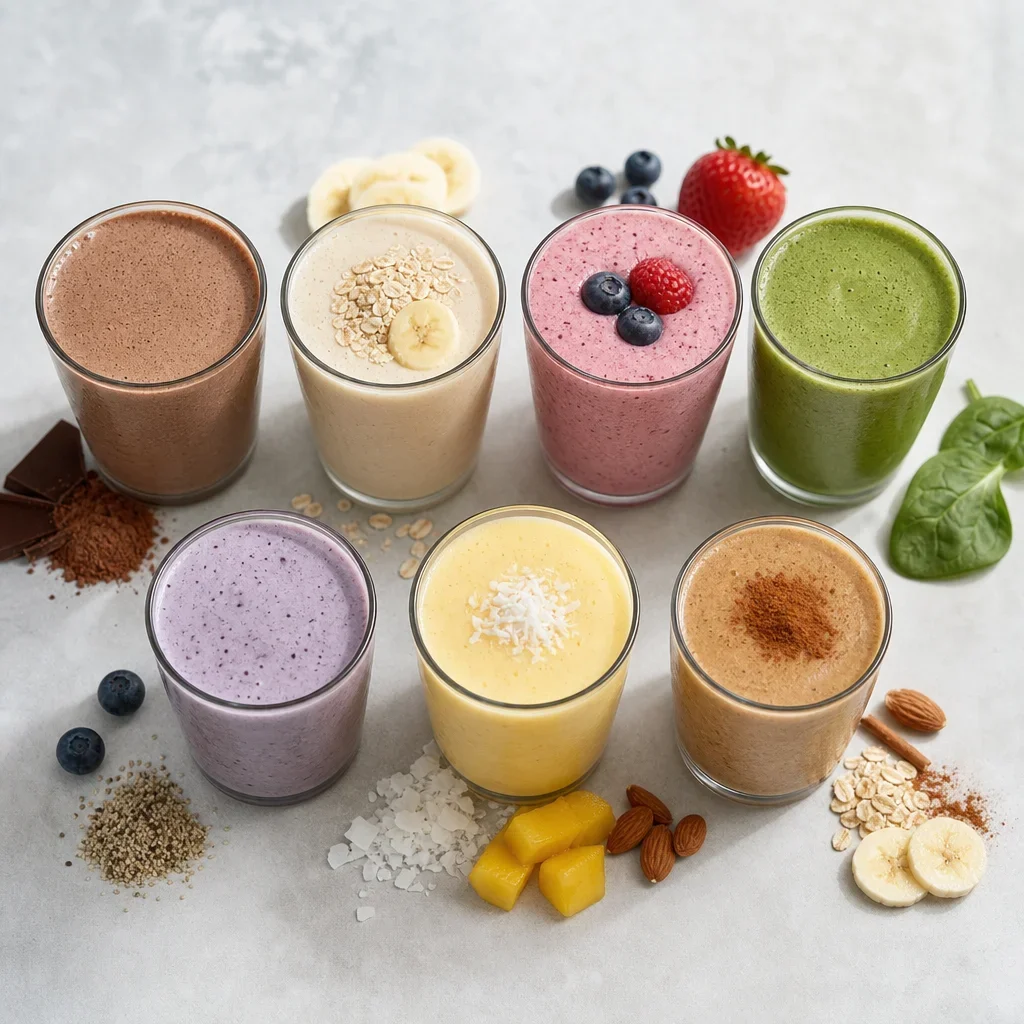
A good post workout shake bodybuilding recipe should be easy enough to repeat all week. These seven options cover bulking, cutting, plant-based training, high-sweat recovery, and whole-food approaches.
1. Lean muscle gain shake
This is a balanced best post workout shake bodybuilding option for standard lifting days. Blend 1 scoop whey isolate, 1 banana, 1/2 cup oats, and 300–400 mL milk or lactose-free milk. It works because it covers protein, moderate carbs, and fluid without getting too heavy.
2. High-calorie bulking shake
This version suits people who struggle to eat enough after training. Blend 1 scoop whey or soy protein, 1 banana, 3/4 cup oats, 1 tablespoon peanut butter, honey, and 400 mL milk. It is more of a calorie-support shake than a light recovery drink.
3. Cutting or weight-loss shake
A good post workout shake for weight loss keeps protein high and calories controlled. Blend 1 scoop whey isolate or plant protein, frozen berries, spinach, ice, and water or unsweetened soy milk. This works best when you want recovery support without turning the shake into a surplus meal.
4. High-sweat recovery shake
This is useful after long circuits, hard conditioning, or summer sessions. Blend whey isolate, banana, 300 mL coconut water, 200 mL water, and berries. It gives you protein, fluid, and easy carbs with a lighter texture.
5. Plant-based muscle gain shake
A practical plant-based option uses 1 scoop pea-rice or soy protein, banana, oats, soy milk, and cinnamon. This is a strong post-workout shake for muscle gain if dairy does not sit well or you prefer plant-based nutrition.
6. Lactose-sensitive recovery shake
For people who bloat with regular whey concentrate, blend whey isolate or a plant blend with lactose-free milk, banana, and oats. Keep the ingredient list short at first. That makes it easier to spot what your stomach actually tolerates.
7. Post workout shake without protein powder
A real post workout shake without protein powder can still work if the ingredients add up. Blend 1 cup Greek yogurt, 1 cup milk, 1 banana, and oats. Another option is silken tofu with soy milk and fruit. The key is still getting the protein high enough to matter.
Post-workout shake without protein powder: does it work?
Yes, a whole-food shake can work if it still reaches roughly 20–40 g of protein . Greek yogurt, milk, kefir, soy milk, cottage cheese, and silken tofu are the most practical ways to get there without making the shake enormous.
The trade-off is convenience. Powder is easier to measure, pack, and repeat. Whole-food shakes can be more filling and may bring more micronutrients, but they often take more volume to reach the same protein target.
Can a post-workout shake replace a meal?
A recovery smoothie and a meal replacement shake are not the same thing. A recovery shake is usually built around protein, some carbs, and fluid for convenience after training. A meal replacement usually needs more total calories, more staying power, and a better mix of fibre, fats, and overall food variety.
A shake can replace a meal when your schedule forces it. Early commutes, travel, double-session days, or post-workout nausea are common examples. It should not become the default if it crowds out regular meals and makes it harder to eat balanced whole foods across the day.
How post-workout shakes fit into your daily protein target
Your shake is one feeding, not the whole plan. A useful daily target for resistance-trained adults is about 1.4–2.2 g of protein per kg of body weight per day . That is why a post-workout shake helps most when it fills a real gap in your daily intake.
If you already hit your protein target through regular meals, the shake is optional convenience. If your appetite is low, your schedule is packed, or your meals tend to come up short, a bodybuilding recovery shake can make the full day work better. I would judge the shake by what it fixes in your routine, not by gym folklore.
Common mistakes that make post-workout shakes less effective
Most shake mistakes are simple. Too little protein leaves the shake underpowered. Too much fat can make it sit heavy when you wanted quick digestion. Chasing sugar without enough protein turns the drink into calories without much recovery value.
Other common problems are buying a powder that causes bloating, stacking supplements that add cost but not much return, and treating one shake as if it can cover a weak overall diet. The best post-workout shake recipe is the one you can digest, repeat, and fit into your total calories and protein.
Use this troubleshooting checklist:
- Raise protein first if the shake feels incomplete
- Add carbs only when the workout or goal justifies them
- Lower fat if digestion feels slow after lifting
- Try whey isolate, lactose-free milk, or soy if dairy causes issues
- Remove extra ingredients and rebuild one at a time
- Compare the shake to your whole day, not just one workout
Digestive issues, lactose-free choices, and sensitivity-friendly swaps
Digestive trouble is usually a formula problem, not proof that all shakes are bad. Whey isolate generally contains less lactose than whey concentrate , so it is often the first switch for lactose-sensitive lifters. Lactose-free milk, soy milk, or a plant blend are also practical swaps.
If shakes upset your stomach, simplify them. Start with one protein source, one easy carb like banana, and one fluid. Keep fibre and fat lower at first. A simpler blend is easier to digest and easier to troubleshoot.
Shopping list and prep-ahead tips for a week of shakes
A week of homemade post-workout shake prep is easier when you repeat 2–3 templates instead of chasing new recipes daily. Buy one main protein base, one dairy-free backup if needed, two carb add-ins, two fruit options, and one or two extras you actually use.
A simple shopping list looks like this:
- Protein bases: whey isolate, soy protein, Greek yogurt, milk, lactose-free milk
- Carb add-ins: bananas, oats, berries, honey, cereal
- Fluids: water, milk, soy milk, coconut water
- Extras: creatine, cinnamon, cocoa, peanut butter
- Sensitivity-friendly swaps: lactose-free milk, plant protein, low-fibre fruit
Prep freezer bags with fruit and oats, pre-portion scoops into small containers, and keep a shaker at the gym or in your work bag. That does more for consistency than buying another tub of supplements.
FAQ
What should a post-workout shake for bodybuilding contain?
A solid shake usually contains 20–40 g of protein , optional carbs based on the workout and goal, and enough fluid to rehydrate. Protein is the priority. Carbs are added when recovery demands or calorie goals call for them.
When should I drink a post-workout shake after training?
A practical window is within 0–2 hours after training . It matters more if you trained fasted, your last meal was long before training, or your next meal will be delayed.
How much protein should a post-workout shake have?
Most people do well with 20–40 g . The right point in that range depends on body size, total daily intake, and whether the shake is a snack or a meal replacement.
Do I need carbs after lifting weights?
Not always, but carbs help more after harder, longer, or repeated sessions. They are also useful when you are bulking or struggle to hit calorie targets.
Should I avoid fat in a post-workout shake?
No. Just keep it modest if you want faster digestion. More fat makes sense when the shake needs to be more filling.
Can I make a post-workout shake without protein powder?
Yes. Greek yogurt, milk, kefir, soy milk, cottage cheese, and silken tofu can work if the total protein still reaches a useful level.
Can a post-workout shake replace a meal?
Sometimes. It can replace a meal when schedule or appetite makes whole food unrealistic, but it should not automatically replace balanced meals every day.
Is whey isolate better than plant protein after a workout?
Not universally. Whey isolate is convenient and usually lower in lactose. Plant protein can work well if the total protein is high enough and the blend is well formulated.
What is the best post-workout shake for weight loss?
The best option keeps protein high, calories controlled, and carbs matched to the workout. Protein-first matters more than building a dessert shake around sugar.
How should women adjust a post-workout bodybuilding shake?
A post workout shake bodybuilding female athletes use does not need special ingredients by default. The shake should match body size, training demand, appetite, and goal, not stereotypes.
If recovery is still getting limited by pain, repeated strain, or movement issues rather than nutrition alone, a biomechanics-led assessment can help you sort out what training load, tissue irritation, and movement quality are doing to your progress.