
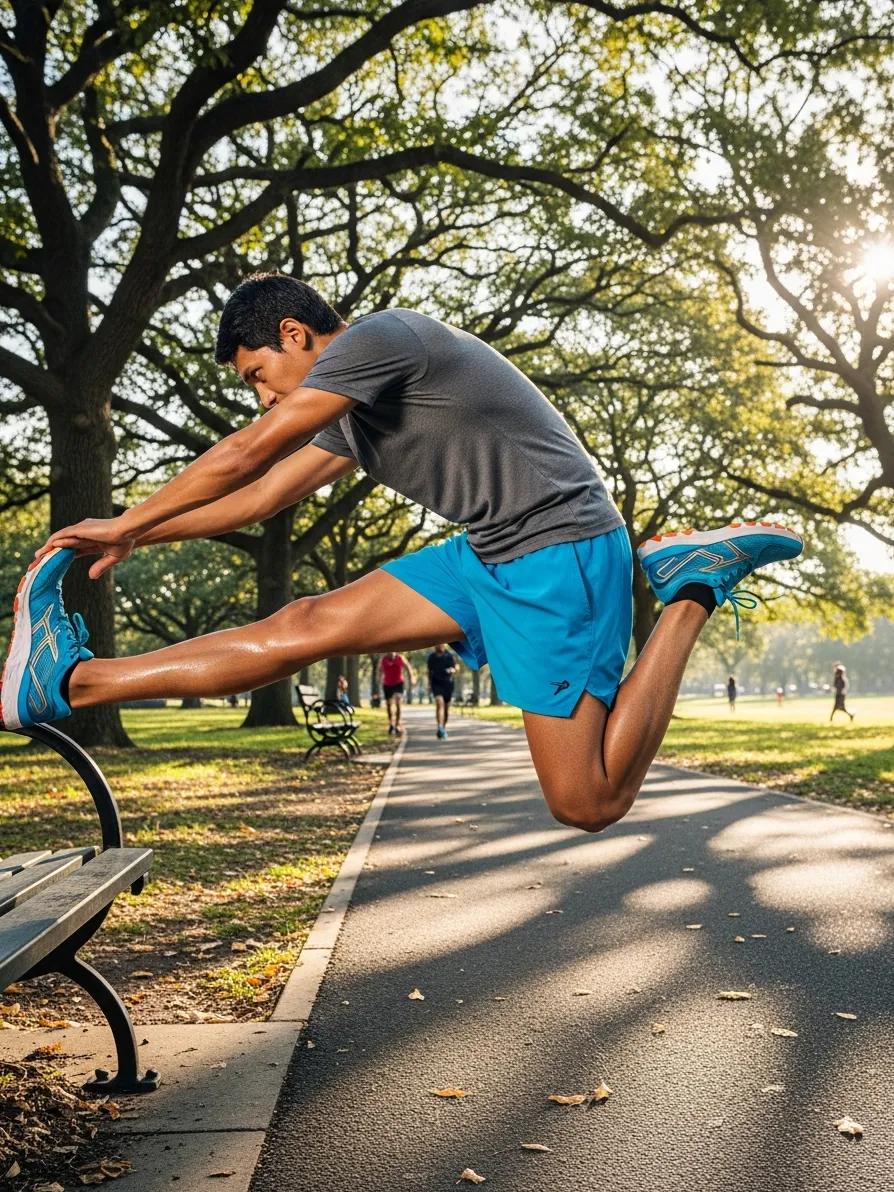
Medial tibial stress syndrome — commonly called shin splints — is a frequent problem for runners and active people. It usually stems from overuse, poor footwear, or movement patterns that overload the shin. Learning how to prevent shin splints helps you stay active and pain-free. This guide lays out practical exercises for strength, mobility, and stretching, along with prevention tips, recovery steps, and how physiotherapy can support recovery.
Overview: How to Prevent Shin Splints
Preventing shin splints takes a balanced approach: know what causes them, address weaknesses, and use targeted exercises. Shin splints occur when repetitive stress inflames the muscles, tendons, and bone tissue around the shin. That inflammation causes pain and can limit activity. The most effective prevention combines lower-leg strengthening, regular stretching, and attention to biomechanics.
Key Exercises to Reduce Risk
Adding specific movements to your routine lowers your chance of developing shin splints. We group them into strengthening and mobility/stretching work — both are important for a resilient lower leg.
Strengthening Exercises:
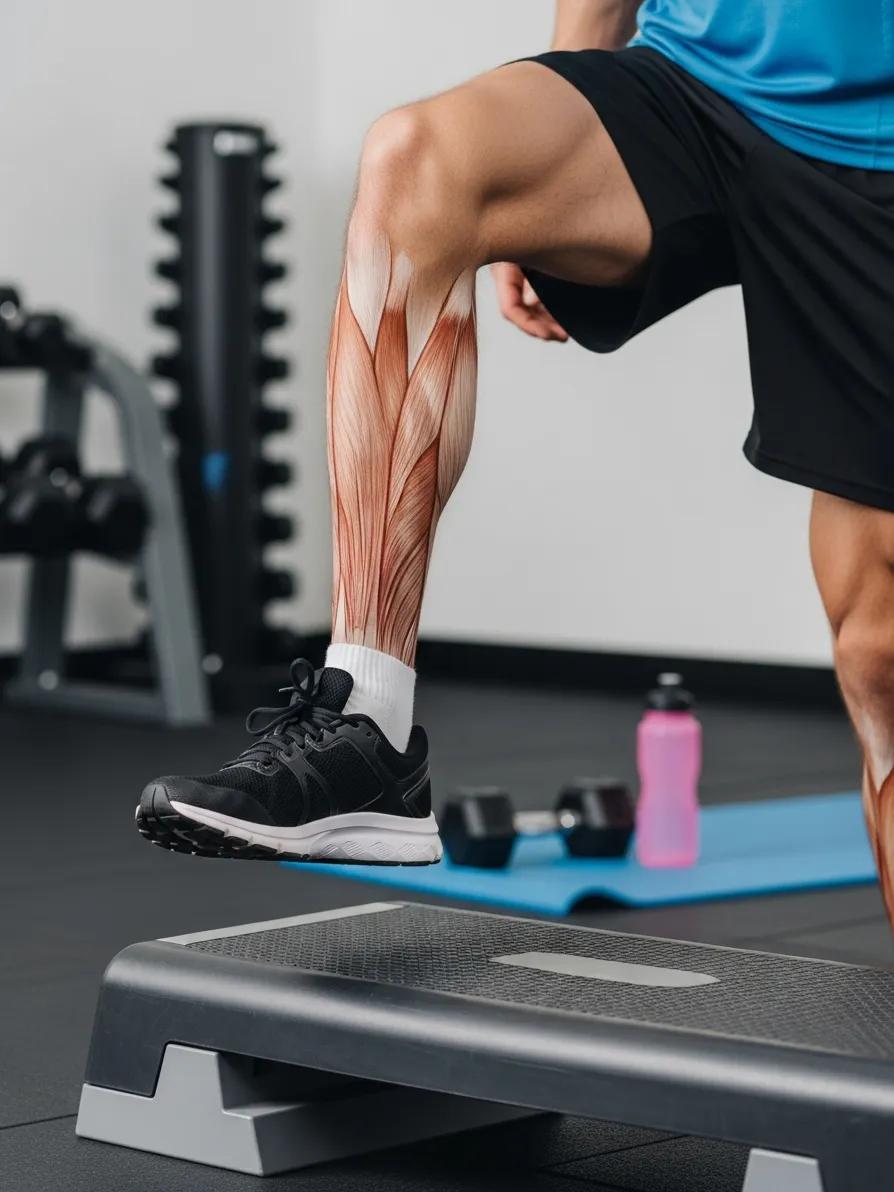
Building strength in the lower leg improves support and tolerance to impact. Try these exercises regularly:
- Toe Raises: Stand with feet flat, then lift your toes while keeping the heels down. This targets the tibialis anterior, which helps control the front of the shin.
- Heel Walking: Walk a short distance on your heels. This activates and builds endurance in the muscles at the front of the lower leg.
- Calf Raises: Stand on a step with your heels hanging off the edge. Raise up onto your toes, then lower your heels below step level. This strengthens the calves, which support shin stability during activity.
Mobility and Stretching
Mobility work and stretching reduce tightness and improve ankle mechanics — both support healthier movement patterns.
- Ankle Dorsiflexion Stretch: Sit with legs extended and use a resistance band to pull your toes toward you with a straight knee. This improves ankle range and eases pull on the shin.
- Seated Calf Stretch: Sit with one leg extended and reach toward the toes of the extended leg to stretch the calf. This targets the gastrocnemius and soleus muscles.
- Standing Calf Stretch: Face a wall with one foot forward and the other back, pressing into the wall while keeping the rear heel down. This enhances overall calf flexibility.
Practical Injury Prevention Tips
Exercises help, but smart habits matter just as much. Use these strategies to lower your injury risk:
- Appropriate Footwear: Choose shoes with the support and cushioning that match your activity and foot shape. Proper footwear reduces shock through the shin.
- Gradual Progression: Increase mileage or intensity slowly. Rapid jumps in training load are a common trigger for shin pain.
- Warm-Up and Cool-Down: Always prepare your body with a simple warm-up and finish with a cooldown to aid recovery and reduce stiffness.
Recovery Approaches for Shin Splints
If shin splints occur, the right recovery approach promotes healing and helps prevent recurrence.
- Immediate Care: Use rest, ice, compression, and elevation (RICE) early to reduce pain and inflammation.
- Massage Therapy: Professional massage can relax tight muscles and improve circulation, supporting recovery.
- Active Recovery: Low-impact options like swimming or cycling let you maintain fitness while the shins recover.
What Are Shin Splints and What Causes Them?
Shin splints show up as pain along the shinbone from repetitive stress to the bone and surrounding tissues. They’re common in runners, dancers, and military trainees. Typical causes include sudden increases in training, inappropriate shoes, and biomechanical factors such as flat feet or high arches. Identifying these drivers is key to effective prevention.
Shin Splints — Clinical Considerations
Shin splints can affect activity and quality of life if not managed early. Symptoms include tenderness, aching, or pain along the inner shin, which often worsens with activity. Early assessment and intervention reduce the chance of complications like stress fractures.
Risk Factors That Increase Shin Splints
Several factors raise the likelihood of developing shin splints:
- Sudden Training Increases: Rapid changes in volume or intensity can overload the lower leg.
- Unsupportive Shoes: Footwear lacking stability or cushioning increases impact forces.
- Biomechanical Issues: Flat feet, high arches, or inefficient running form add stress to the shins.
Which Lower-Leg Strengthening Exercises Help Most?
Consistent lower-leg strength training improves tolerance to load. Useful exercises include:
- Toe Raises: Strengthen the tibialis anterior to control the foot during impact.
- Heel Walking: Builds endurance in the anterior lower-leg muscles.
- Resistance Band Dorsiflexion: Targets the muscles that lift the toes and stabilize the ankle.
Targeted Exercises for Tibialis Anterior and Calf Strength
Concentrating on these muscle groups creates a balanced, more resilient lower leg. Key moves are:
- Toe Raises: Strengthen the tibialis anterior.
- Resistance Band Dorsiflexion: Builds dorsiflexor endurance and control.
- Calf Raises: Increase calf strength for better shock absorption.
How Strength Work Improves Biomechanics and Lowers Injury Risk
Targeted strengthening improves muscle balance, joint stability, and shock absorption. Better biomechanics reduce excessive pronation and uneven loading of the tibia, helping prevent shin-related injuries.
Why Calf Stretches Help Prevent Shin Splints
Calf flexibility reduces pull on the tibia and improves ankle motion. Looser, more mobile calf muscles support healthier gait and running mechanics, lowering shin stress.
Effective Calf Stretch Techniques
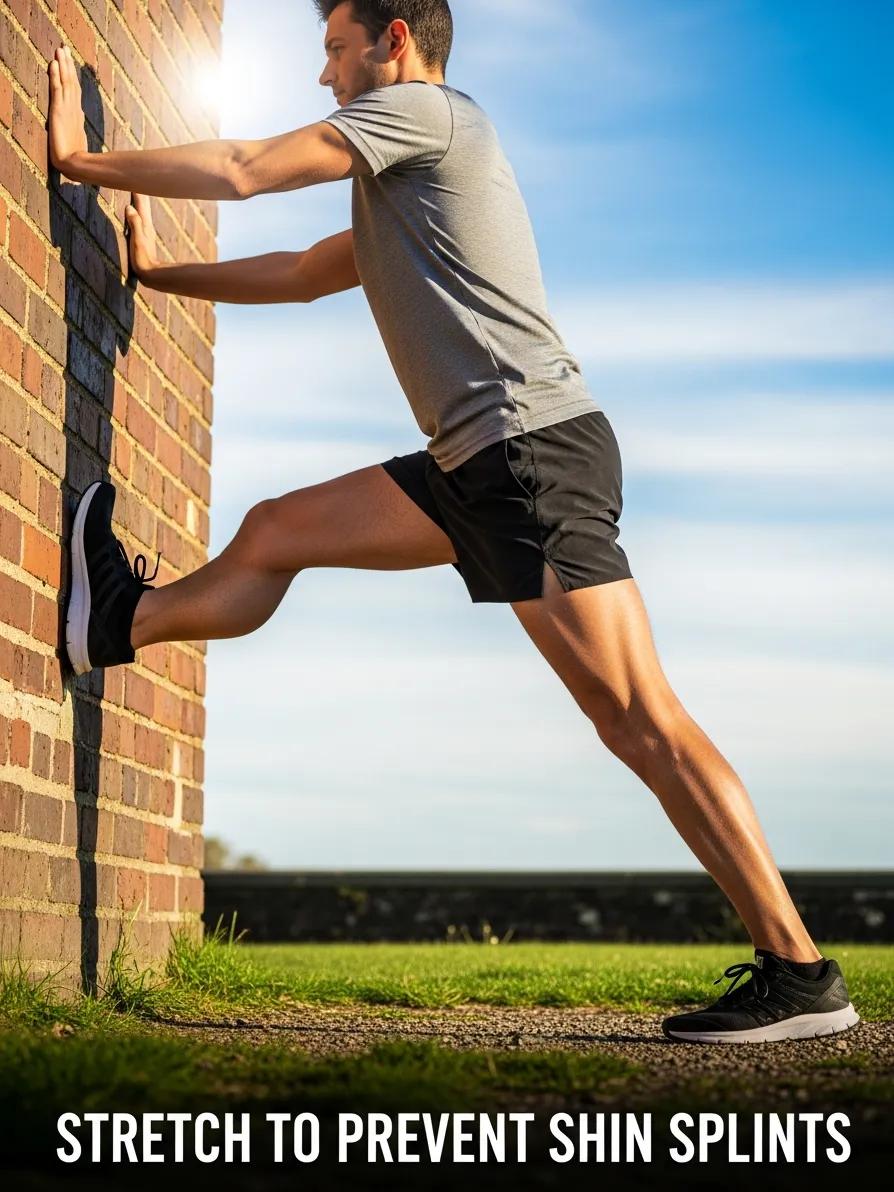
Simple, consistent stretches make a real difference. Focus on:
- Ankle Dorsiflexion Stretch: To improve ankle mobility.
- Seated Calf Stretch: To target the main calf muscles.
- Standing Calf Stretch: To increase overall calf flexibility.
Stretching’s Role in Recovery and Prevention
Stretching supports recovery by lengthening muscles, improving circulation, and maintaining flexibility. Regular stretching reduces the risk of tightness that can contribute to shin pain.
How Physiotherapy Supports Prevention and Recovery
Physiotherapy offers assessment, tailored exercise plans, and hands-on treatments to address the root causes of shin splints. A physiotherapist evaluates biomechanics, prescribes progressive exercises, and provides education to prevent recurrence.
Physiotherapy Services at Focus Physiotherapy
Focus Physiotherapy provides a range of services to prevent and treat shin splints, including:
- Personalized Recovery Plans: Individualized exercise programs based on assessment.
- Massage Therapy: To relieve tightness and improve blood flow.
- Acupuncture: An adjunct option to support pain relief and recovery.
How Exercise Therapy and Manual Treatments Help
Exercise therapy rebuilds strength and movement control, while manual treatments address soft-tissue restrictions. Together they restore function and make a safe, gradual return to activity possible.
Complementary Treatments That Support Recovery
Alongside exercise and manual therapy, several complementary approaches can speed recovery:
- Massage Therapy: Eases muscle tension and pain.
- Acupuncture: Can reduce inflammation and support healing.
- Ice Therapy: Use to manage acute pain and swelling.
Massage Therapy — Benefits for Recovery
Massage supports recovery in several ways:
- Muscle Relaxation: Releases tightness in the lower leg.
- Pain Relief: Reduces discomfort linked to shin splints.
- Improved Circulation: Encourages blood flow to injured tissue.
Acupuncture as an Adjunct Treatment
Acupuncture can complement other treatments by:
- Providing Pain Relief: Reducing symptom intensity.
- Reducing Inflammation: Supporting the body’s healing response.
- Enhancing Recovery: Helping the body return to normal function.
What to Expect During Shin Splint Recovery
Recovery is typically gradual. With the right care and adherence to a program, most people see steady improvement and can return to activity safely.
Typical Timelines and Progress Tracking
Many cases improve within about 4–6 weeks, depending on severity and adherence to treatment. Regular follow-up and progress checks ensure a safe return to sport.
Patient Outcomes at Focus Physiotherapy
Patients at Focus Physiotherapy often report reduced pain, improved strength, and a return to activity without symptoms after completing individualized plans.
For specialized support, the Bolton Clinic provides tailored physiotherapy services for shin splint prevention and recovery.
The North York Clinic offers comprehensive treatment options including exercise therapy and manual techniques.
Patients in the York area can access focused care at the York Clinic, which specializes in injury prevention and rehabilitation.
Frequently Asked Questions
What are the early signs of shin splints?
Early signs include tenderness and aching along the inside of the shin, sometimes with mild swelling. Pain typically increases with activity and eases with rest. Identifying symptoms early and modifying activity helps prevent progression to more serious problems like stress fractures. If pain persists, seek a professional assessment.
How can I modify my training to prevent shin splints?
Progress training gradually — aim for no more than about a 10% increase in distance or intensity per week. Include rest days and alternate high-impact sessions with low-impact cross-training like swimming or cycling. Pay attention to pain signals and reduce load when symptoms appear.
Are there specific footwear recommendations for shin splint prevention?
Choose shoes that offer appropriate support, cushioning, and a proper fit for your foot type. Replace worn-out shoes before they lose shock absorption. If you’re unsure, a specialty running shop or a physiotherapist can assess your gait and recommend suitable footwear or orthotics.
Can I still exercise if I have shin splints?
Yes — but switch to low-impact activities while you heal. Swimming, cycling, and elliptical training let you maintain fitness without repeated impact. Avoid running and jumping until pain subsides, and follow a rehabilitation plan that includes strengthening and flexibility work.
What role does nutrition play in recovery from shin splints?
Nutrition supports tissue repair and reduces inflammation. Prioritize adequate protein for muscle recovery, calcium and vitamin D for bone health, and anti-inflammatory foods such as leafy greens, nuts, and fatty fish. Staying hydrated also aids healing.
How can I ensure proper warm-up and cool-down routines?
Start with 5–10 minutes of light aerobic activity and dynamic stretches to increase blood flow and prepare muscles. After exercise, spend another 5–10 minutes on static stretches—especially for the calves and shins—to reduce tightness. Consistency in warming up and cooling down lowers injury risk.