
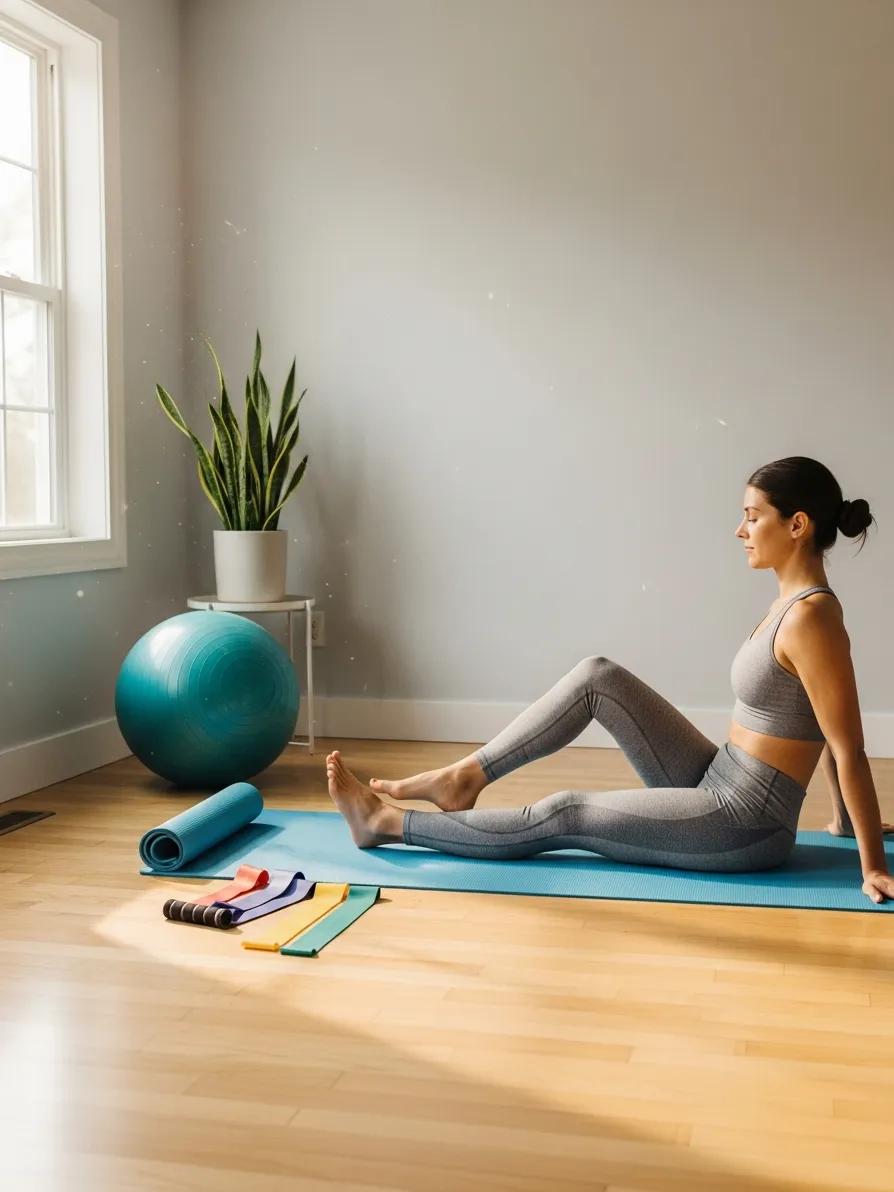
Knee pain is common across all ages and can make everyday tasks feel harder. This guide walks you through practical exercises and rehabilitation strategies you can use at home or with a physiotherapist. We explain why certain movements help, show low-impact options, and outline realistic recovery timelines so you can manage pain and get back to what matters.
Current evidence supports exercise combined with patient education as the first-line approach for managing knee pain—especially for osteoarthritis.
Exercise & Education: First-Line Treatment for Knee OA Pain
Pain is the most important outcome for patients with osteoarthritis, with moderate to severe pain linked to greater functional limits, treatment dissatisfaction, and lower quality of life [3]. Clinical guidelines recommend patient education and exercise therapy as first-line treatments because they directly address pain and function [4-6].
Personalized predictions for changes in knee pain among patients with osteoarthritis participating in supervised exercise and education: Prognostic model …, M Rafiei, 2025
Effective Exercises
Targeted exercises can reduce knee pain and restore movement by strengthening the muscles around the joint and improving flexibility. Practicing these regularly supports better function and less discomfort. Below are core exercise categories to include in your program:
- Quadriceps Strengthening: Strong quads help stabilize the knee. Try controlled squats, seated leg extensions, and straight leg raises to build support without overloading the joint.
- Hamstring Strengthening: The hamstrings balance the front of the thigh and protect the knee. Hamstring curls (standing or prone) and bridges are useful options.
- Low-Impact Activities: Swimming, cycling, and walking reduce joint stress while keeping you active and supporting recovery.
Adding these exercises to a consistent routine often leads to noticeable improvements in mobility and pain levels.
Rehabilitation Techniques

Rehab aims to restore movement, reduce pain, and lower the risk of future problems. A combination of manual care, targeted exercise, and progressive loading helps you recover safely. Common techniques include:
- Manual Therapy: Hands-on techniques to ease stiffness, reduce pain, and improve joint mobility.
- Therapeutic Modalities: Tools like ultrasound or electrical stimulation that can support healing and ease symptoms when used appropriately.
- Progressive Resistance Training: Gradually increasing resistance or repetitions to build strength and endurance in a controlled way.
Focus Physiotherapy offers individualized plans that blend these approaches, so treatment matches your goals and abilities.
Home Care Tips
You can do a lot at home to support recovery. Simple, consistent habits make a big difference:
- Personalized Exercise Programs: Follow exercises tailored to your condition and pain level to avoid setbacks and speed progress.
- Pain Management Techniques: Use ice, heat, and short-term over-the-counter pain relief as directed to control flare-ups and support activity.
- Nutritional Guidance: Eating anti-inflammatory foods and staying hydrated supports recovery and overall joint health.
Combine these home strategies with professional guidance for the best results.
Additional Tips for Relief
Alongside exercise and home care, these habits can reduce knee stress and improve outcomes:
- Avoid Overuse Activities: Give your knees a break from activities that trigger pain and allow tissues to recover.
- Maintain a Healthy Weight: Losing even a small amount of excess weight can meaningfully reduce load on the knees.
- Incorporate Low-Impact Activities: Replace high-impact sessions with swimming, cycling, or elliptical work to stay active without added stress.
These adjustments support rehabilitation and long-term knee health.
What Causes Knee Pain and How Can Exercises Help?
Knee pain can come from injuries, arthritis, or overuse. Knowing the cause helps you choose the right exercises and protect the joint while you recover.
Understanding Knee Anatomy and Common Pain Sources
The knee combines bones, cartilage, ligaments, and tendons—any of which can be injured or wear down over time. Common problems include ligament sprains or tears, meniscal damage, and patellar tendinopathy. These issues often cause pain, swelling, and reduced function.
How Do Exercises Reduce Knee Pain?
Exercises reduce pain by strengthening the muscles that support the knee, improving flexibility, and enhancing joint stability. Better muscle support lowers joint load and helps you move with less pain.
Which Strengthening Exercises Are Best for Knee Pain Relief?
Helpful strengthening exercises include:
- Quadriceps Sets: Tighten the front thigh muscle while keeping the leg straight to build strength with minimal joint movement.
- Straight Leg Raises: Lying on your back, lift one leg at a time to strengthen the quads without compressing the knee.
- Heel Slides: Slide your heel toward your buttocks while lying down to improve knee flexion and mobility.
How to Perform Strengthening Exercises Safely
Follow these safety tips when exercising:
- Proper Form: Keep alignment and technique correct to avoid adding strain to the joint.
- Listening to Your Body: Mild discomfort can be expected during rehabilitation, but stop or modify any movement that causes sharp or increasing pain.
- Consulting a Physiotherapist: A professional can tailor exercises to your diagnosis and ensure you progress safely.
What Are the Most Effective Low Impact Knee Exercises?
Low-impact exercises let you build strength and cardio fitness without heavy joint loading—ideal when managing knee pain.
Recommended Low Impact Exercises for Knee Rehabilitation
Try these low-impact options:
- Swimming: Supports full-body movement and builds stamina with minimal joint pressure.
- Cycling: Strengthens leg muscles while keeping joint forces low, especially on a stationary bike.
- Yoga and Pilates: Improve flexibility, balance, and core strength, all of which support knee function.
When to Choose Low Impact Over High Intensity Exercises
Choose low-impact activities when:
- Injury Considerations: You’re recovering from an injury and need gentle load to promote healing.
- Chronic Pain Management: Long-term knee pain responds better to sustained, lower-impact training.
- Recovery from Surgery: Post-op patients should prioritize gradual progress with low-impact movement.
How Does Physiotherapy Support Knee Pain Recovery?
Physiotherapy provides assessment, guided exercises, and hands-on care to get you back to daily activities with less pain.
Techniques Used in Physiotherapy for Knee Pain Recovery
Typical physiotherapy tools include:
- Manual Therapy: Targeted hands-on work to ease stiffness and improve joint mechanics.
- Exercise Prescription: A progressive plan of strengthening, mobility, and functional exercises tailored to you.
- Education: Practical advice on activity modification, pacing, and self-management to prevent setbacks.
Specific Exercises for Knee Rehabilitation
Commonly recommended rehab exercises include:
- Heel Slides: To regain knee flexion and smooth movement.
- Quadriceps Sets: To activate the quads without stressing the knee.
- Straight Leg Raises: To strengthen the thigh and support knee control.
Expected Outcomes
With consistent physiotherapy, patients often experience:
- Pain Reduction: Smaller pain levels that allow better daily function.
- Improved Mobility: Greater range of motion and easier movement.
- Faster Recovery: Structured programs help you progress safely and efficiently.
Role of Physiotherapists in Rehabilitation
Physiotherapists help by:
- Assessment and Diagnosis: Identifying the factors behind your pain to focus treatment.
- Personalized Recovery Plans: Designing exercises and progression that fit your goals and condition.
- Ongoing Support: Adjusting treatment as you improve and teaching strategies to prevent recurrence.
Complementary Therapies
Alongside physiotherapy, complementary options can support recovery:
- Massage Therapy: Reduces muscle tension and can improve movement quality.
- Acupuncture: May help manage pain and support tissue healing for some individuals.
- Integration with Physiotherapy: Combining therapies often enhances overall treatment effectiveness.
What Is the Typical Recovery Timeline with Knee Rehabilitation Exercises?
Recovery varies, but understanding common stages helps set realistic expectations and goals.
Stages of Recovery and Expected Improvements
Typical phases include:
- Immediate Postoperative Phase: Focus is on reducing pain and swelling and protecting the repair.
- Early Rehabilitation Phase: Gentle exercises restore basic mobility and light strength work begins.
- Advanced Rehabilitation Phase: Progress to higher loads and functional training to return to daily and sport activities.
How Long Does It Take to See Results from Exercises?
Timing depends on multiple factors:
- Individual Recovery Rates: Each person heals at a different pace based on injury, age, and health.
- Importance of Adherence to Exercises: Regular, consistent practice speeds improvement and builds lasting strength.
- Consultation with Healthcare Providers: Ongoing review helps tailor progression and keeps recovery on track.
Where Can You Access Expert Physiotherapy Services for Knee Pain in the Greater Toronto Area?
Getting expert care can make rehab more effective and reduce the risk of setbacks.
Focus Physiotherapy Locations: Bolton, North York, and York
Focus Physiotherapy has clinics across the Greater Toronto Area to support your recovery, including:
- Bolton: Comprehensive physiotherapy services designed around your needs.
- North York: Specialists in musculoskeletal rehab and pain management.
- York: Services include acupuncture and custom orthotics to complement treatment.
To support recovery, consider adding massage therapy to help ease muscle tension and improve circulation.
How to Book an Appointment for Knee Pain Physiotherapy
Booking is simple—here’s how it typically works:
- Contact Methods: Call or email the clinic to arrange an assessment.
- Initial Assessment Process: A thorough evaluation identifies the cause of pain and sets a treatment plan.
- Payment and Invoicing: Discuss fees, insurance claims, and invoicing during your first visit.
If you want focused care, Focus Physiotherapy’s North York clinic provides comprehensive services tailored to your needs. For those eligible, OHIP physiotherapy options may be available to help with access. You can also explore acupuncture treatment as an adjunct to physiotherapy to help manage pain and support healing.
Frequently Asked Questions
What are the signs that I should see a physiotherapist for knee pain?
If your knee pain is persistent, limits daily activities, causes swelling, or makes the joint feel unstable, it’s a good idea to see a physiotherapist. Other red flags include trouble bending or straightening the knee, pain that worsens with activity, or a history of previous knee injuries. A physiotherapist can assess your situation and create a targeted plan to improve function and reduce pain.
How often should I perform knee exercises for optimal results?
For most people, doing knee exercises three to four times a week delivers good results. Consistency matters more than duration—short, regular sessions beat infrequent long workouts. Your exact program may vary based on your condition and how your body responds, so check in with your physiotherapist to set the right frequency.
Can I continue exercising if I experience pain during my routine?
Some mild discomfort is normal when rebuilding strength, but sharp or increasing pain is a warning sign. If that happens, stop the exercise and reassess. Modify the movement or reduce intensity and consult your physiotherapist for adjustments. The goal is to challenge the knee safely, not to push through pain that indicates injury.
What role does nutrition play in managing knee pain?
Nutrition supports recovery. A diet rich in anti-inflammatory foods—like vegetables, fruit, whole grains, and omega-3 fats—can help control inflammation. Staying hydrated and managing weight also reduce stress on the joints. While food alone won’t cure structural issues, it’s an important part of a comprehensive approach to knee health.
Are there any specific activities I should avoid to protect my knees?
Certain activities can worsen knee pain. High-impact sports, running on hard surfaces, and movements with repeated twisting or pivoting may increase strain. Improper squatting or lunging can also cause problems. Focus on low-impact alternatives and get personalized advice from a physiotherapist about safe activities for your condition.
How can I tell if my knee pain is related to a serious condition?
Seek medical attention if you have severe swelling, can’t bear weight, notice a visible deformity, or have persistent pain that doesn’t improve with rest. These symptoms can indicate a more serious injury or condition that needs prompt evaluation, possibly including imaging and specialist referral.
What are some complementary therapies that can aid in knee pain recovery?
Complementary therapies can support physiotherapy. Massage may reduce muscle tightness, acupuncture can help some patients with pain relief, and hydrotherapy offers a gentle way to exercise. Always discuss any additional treatments with your physiotherapist to ensure they fit your overall rehab plan.