
Most athletes do not need a miracle food. They need a consistent recovery pattern. Anti inflammatory foods for athletes work best when they sit inside a routine with enough calories, enough protein, smart carbs, hydration, sleep, and the right rehab plan when pain is not just normal soreness.
What athletes should eat to reduce inflammation: the short answer
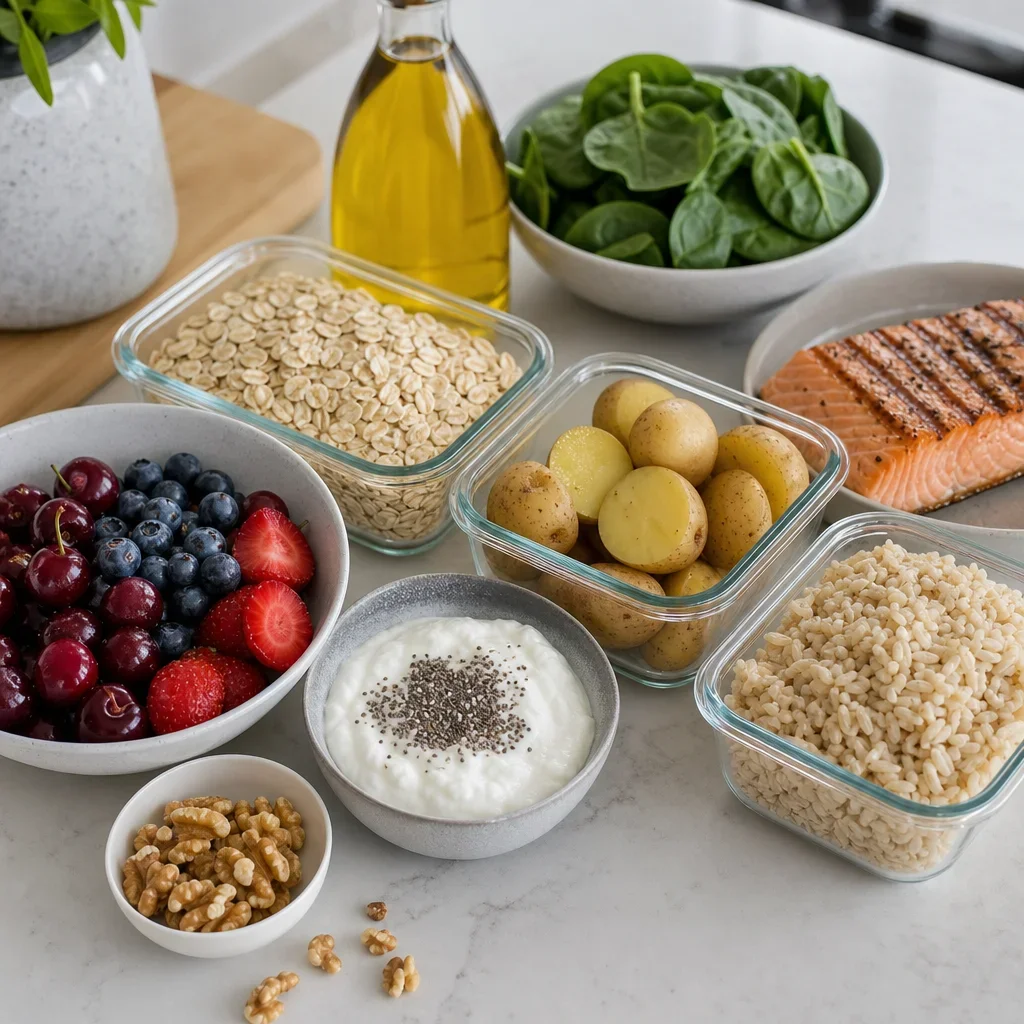
Athletes usually do best with a whole-food pattern built around protein, high-fiber carbohydrates, colourful produce, healthy fats, and fluids. That means meals built from foods like fish, yogurt, beans, oats, rice, potatoes, berries, cherries, leafy greens, olive oil, nuts, seeds, and herbs like ginger or turmeric. The goal is not to shut down all inflammation. Acute inflammation after hard training is part of repair and adaptation.
The best anti-inflammatory foods for athletes are usually the ones they can eat consistently. A practical short list includes fatty fish, berries, tart cherries, leafy greens, broccoli, extra-virgin olive oil, legumes, nuts, seeds, whole grains, yogurt or kefir if tolerated, and fermented foods that fit the athlete’s stomach and schedule. Fiber guidance for adults is about 25 to 38 g per day.
Food helps recovery most when the bigger system is in place. Sleep for most adults falls in the 7 to 9 hour range per night, and normal post-exercise soreness often shows up about 24 to 72 hours after an unfamiliar or hard session. If soreness, swelling, or pain keeps building instead of settling, nutrition alone is not the full answer.
- Fatty fish for omega-3 fats
- Berries and cherries for polyphenols
- Leafy greens and cruciferous vegetables for micronutrients and fiber
- Olive oil, avocado, nuts, and seeds for unsaturated fats
- Beans, lentils, oats, rice, potatoes, and quinoa for training fuel
- Yogurt or kefir, if tolerated, for protein and fermented dairy options
- Ginger, turmeric, cocoa, and tea as useful add-ons, not magic fixes
Inflammation in athletes: what is normal and what is a problem?
Acute inflammation after training is normal. It is part of how the body repairs tissue, adapts to load, and comes back stronger after hard running, lifting, cycling, field sport, or rehab work. Delayed onset muscle soreness usually peaks within about 24 to 72 hours after exercise.
Chronic or excessive inflammation is different. It shows up when soreness lingers, performance drops, fatigue builds, swelling does not settle, or a joint stays hot, stiff, unstable, or painful during normal activity. That pattern can reflect poor recovery, too much training load, a biomechanics issue, or an actual injury rather than simple training soreness.
There is no reliable way to flush out inflammation fast with one food, tea, shot, or supplement. Recovery works better when athletes stack basics together: enough total food, post-workout protein and carbs, fluids, sleep, stress control, and a training plan that matches what the body can handle.
Pain that is sharp, worsening, or linked to locking, giving way, major swelling, or loss of range of motion deserves assessment. In those cases, a sports medicine, physiotherapy Toronto, or chiropractor downtown Toronto evaluation can help sort out whether the issue is load, tendon or joint irritation, or something more significant.
The best anti-inflammatory foods for athletes, ranked by use case
The best food depends on the recovery problem. Sore muscles after a hard block need a slightly different focus than stiff joints, long endurance sessions, or a busy workday with no time to cook.
Best for sore muscles
Tart cherries, berries, yogurt, kefir, eggs, fish, and balanced protein-plus-carb meals are the most practical foods that reduce muscle soreness. Tart cherries and berries bring polyphenols, while yogurt, kefir, eggs, and fish help repair tissue by supplying protein. Post-workout protein is often built in the 20 to 40 g range.
Best for joints and tendon-heavy training
Fatty fish, olive oil, walnuts, chia, flax, beans, and colourful vegetables are strong daily staples for joint-focused recovery. Fish intake guidance for general health is often at least 2 servings per week. If an athlete does not eat fish, flax, chia, walnuts, soy foods, and legumes are useful plant-based building blocks, though ALA from plants does not convert efficiently to EPA and DHA.
Best for endurance recovery
Fruit, oats, rice, potatoes, beans, milk, soy beverages, and electrolyte-containing fluids are usually the most useful post-workout anti-inflammatory foods after long sessions. Endurance athletes still need carbohydrate, because under-fuelling can worsen recovery and raise stress on the body.
Best daily staples
Leafy greens, broccoli, Brussels sprouts, beans, lentils, oats, quinoa, extra-virgin olive oil, avocado, nuts, seeds, and fruit form the base of an anti-inflammatory diet for sports recovery. These foods work because they improve overall diet quality, not because one of them cancels out a hard training week.
Best convenience foods for busy athletes
Canned salmon, sardines, frozen berries, pre-washed greens, Greek yogurt, kefir, hummus, trail mix, microwavable rice, frozen edamame, and canned beans are some of the best anti-inflammatory foods for athletes who train around work and commuting. Convenience matters, because a good plan that is easy to follow beats a perfect plan that never happens.
How omega-3s, antioxidants, polyphenols, and fiber help recovery
Omega-3 fats help regulate inflammatory processes and support cell membrane function. EPA and DHA come mainly from fish and seafood, while ALA comes from flax, chia, hemp, and walnuts. Plant sources are still worthwhile, but they are not identical to marine sources.
Antioxidants and polyphenols help the body manage oxidative stress from training. Berries, cherries, dark leafy greens, cocoa, tea, herbs, and spices are rich sources, and they fit naturally into meals without turning recovery into a supplement routine.
Fiber supports gut health, blood sugar control, and overall dietary quality. General adult guidance lands around 25 to 38 g daily. Athletes do not need to force high-fiber foods right before intense exercise, but getting enough fiber across the day is one of the simplest ways to improve the base diet.
Fermented foods like yogurt and kefir may help some athletes, especially if they are tolerated well and fit the rest of the meal plan. Food-first still matters more than chasing one nutrient, because sports nutrition inflammation recovery depends on the full pattern, not one ingredient.
Foods athletes should limit if they want to reduce inflammation
The foods to avoid for inflammation are usually the ones that crowd out better recovery choices. That does not mean athletes need a rigid clean-eating rulebook. It means ultra-processed foods, frequent fried foods, sugar-heavy drinks, processed meats, refined pastries, and excess alcohol should stay in the smaller-share category.
Athletes still need carbohydrate. The problem is not all sugar or all carbs. The bigger issue is relying on low-nutrient foods as the main fuel source while missing protein, fluids, fibre, and micronutrients needed for recovery.
| Food category to limit | Why it can work against recovery | Better swap |
|---|---|---|
| Sugar-heavy soft drinks and energy drinks outside training | Adds energy without much nutrition | Water, milk, or sports drink only when useful |
| Frequent fried fast food | Heavy on refined fats and hard to digest around training | Rice bowl, sandwich, or baked potato meal |
| Pastries and refined snack foods | Easy to overeat, low in protein and fibre | Oatmeal, granola, toast, or fruit with yogurt |
| Processed meats | Less useful nutritionally than fresh protein options | Chicken, eggs, tofu, tuna, beans |
| Excess alcohol | Can disrupt sleep, hydration, and recovery | Non-alcoholic options, water, or electrolyte drinks |
The 5 worst foods for inflammation are not a medical list with a universal ranking. For most active adults, the consistent trouble spots are sugary drinks, fried fast food, heavily processed snack foods, processed meats, and excess alcohol. The pattern matters more than a single meal.
What to eat before and after training for lower inflammation and better recovery
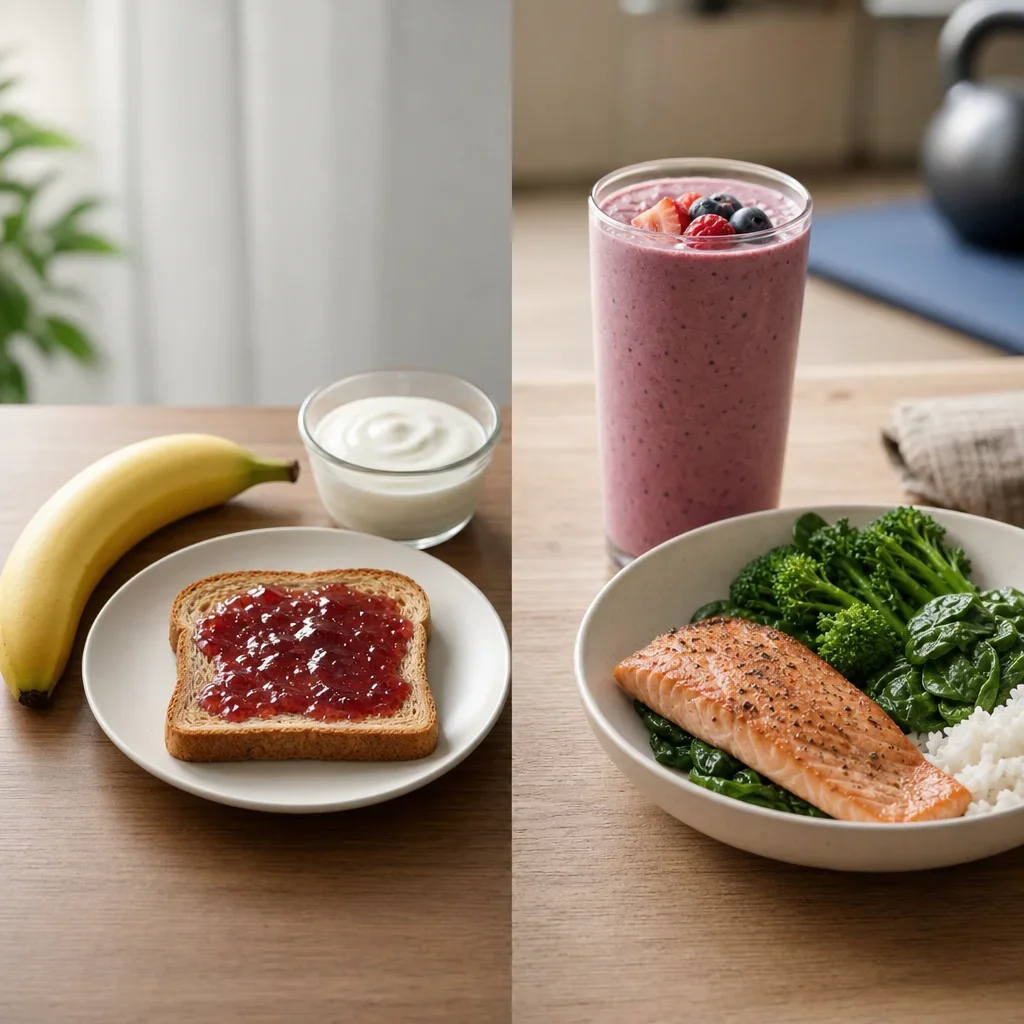
Before training, easy-to-digest carbohydrate is usually the priority. A full meal often works best about 2 to 4 hours before exercise, and a smaller snack often fits about 30 to 60 minutes before if the session is close. Lower-fat and lower-fiber foods usually sit better right before intense work.
After training, the priority is protein plus carbohydrate, then a normal balanced meal with anti-inflammatory foods over the next 1 to 2 hours. This is where athletes often do better with simple, repeatable options than with expensive recovery products.
A 2 to 4 hour pre-workout meal can be oatmeal with berries and yogurt, rice with eggs and vegetables, or a turkey sandwich with fruit. Those meals give carbohydrate for the session, some protein, and a lighter fat load than a big restaurant meal.
A 30 to 60 minute pre-workout snack can be a banana, applesauce, toast with jam, or a small yogurt if tolerated. These are not magic anti-inflammatory snacks for athletes. They are practical foods that fuel the session without sitting too heavy.
A solid post-workout option can be a smoothie with milk or soy milk, berries, banana, and chia, or a bowl with rice, salmon, greens, and olive oil. If appetite is low after training, liquid nutrition is often easier to tolerate than a full plate.
A simple anti-inflammatory plate method for athletes
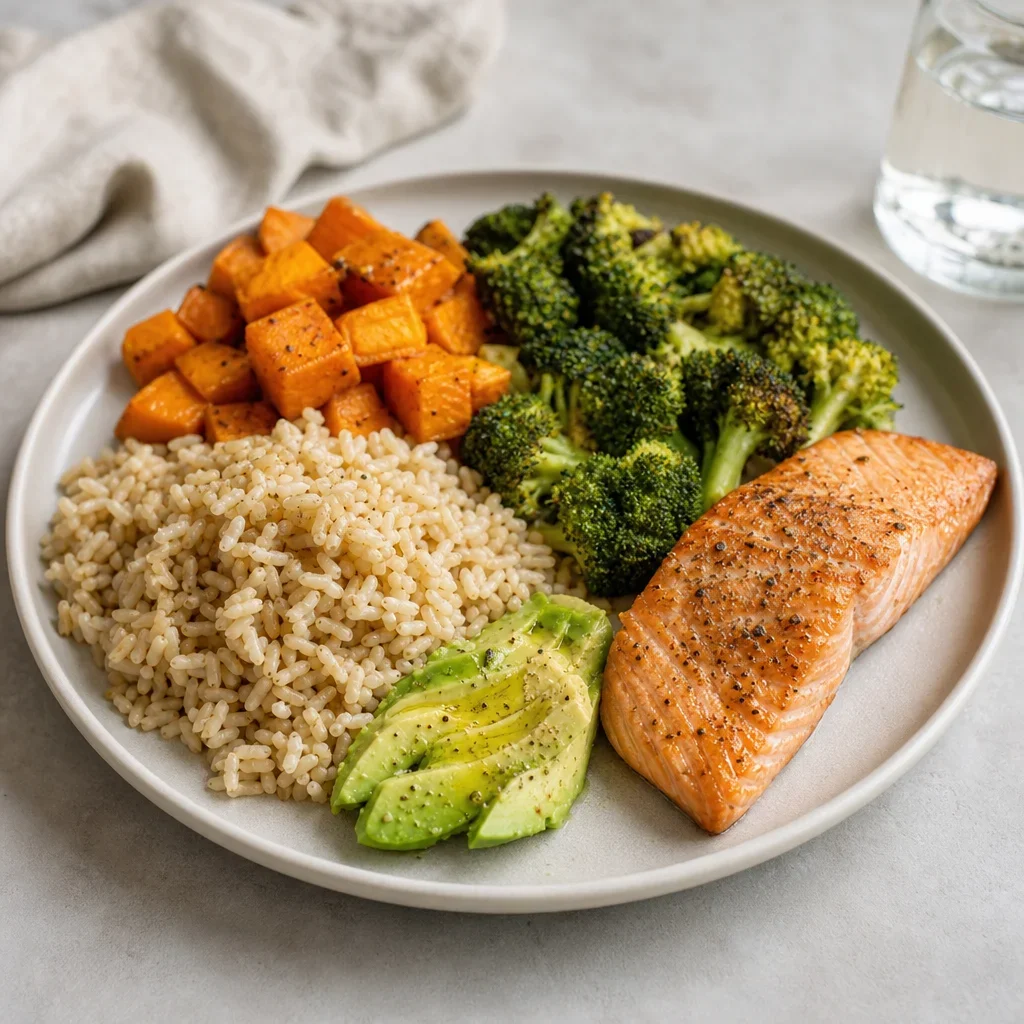
A good athlete plate starts with enough carbohydrate, not just vegetables and protein. On training days, build meals from one carbohydrate base, one protein anchor, one or two colourful produce choices, one healthy fat source, and fluids. That is a better anti-inflammatory athlete meal plan than copying a low-carb wellness trend made for sedentary adults.
On hard training days, the plate usually needs more rice, pasta, potatoes, oats, bread, or fruit. On lighter days or rest days, the plate can shift slightly toward vegetables, legumes, and slower meals, but athletes still need enough total energy to recover.
Athletes trying to gain strength often need larger portions and more snacks. Athletes trying to maintain body composition still need to protect fuelling around sessions, because under-eating can drive fatigue, poor performance, and slower recovery.
The 4 2 1 rule for athletes is not a universal sports nutrition standard. Different coaches and programs use that phrase in different ways, so it should not replace individualized guidance from a registered dietitian or sports medicine team.
Sample one-day anti-inflammatory meal plan for an athlete
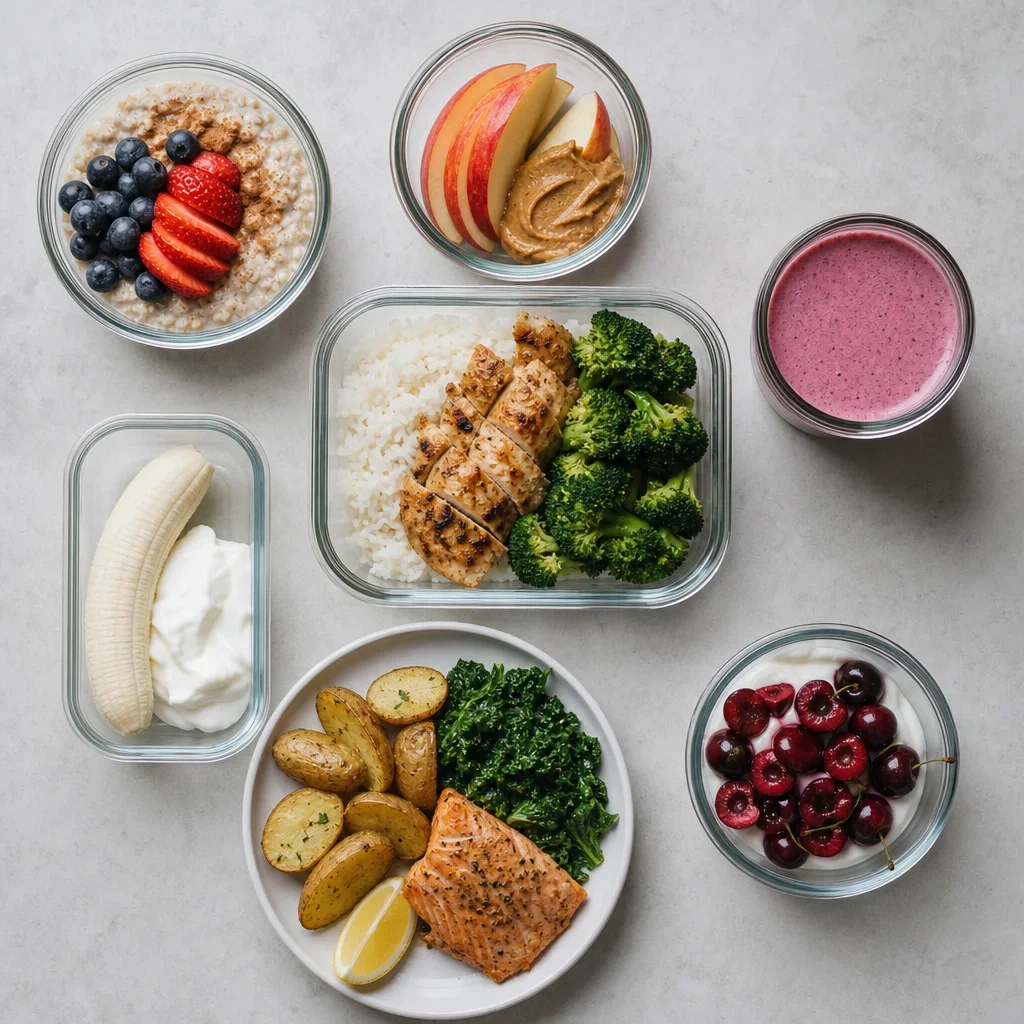
This sample day works as a simple anti-inflammatory athlete meal plan for a busy adult with one training session. It is not a prescription, because actual needs change with body size, sport, session length, and rehab stage.
Breakfast: Oatmeal with milk or fortified soy beverage, blueberries, chia, walnuts, and Greek yogurt. This meal covers carbohydrate, protein, fiber, and healthy fats in one bowl.
Mid-morning snack: Apple with nut butter, or a nut-free seed butter swap if needed. This is easy to carry and works well between meetings.
Lunch: Rice or quinoa bowl with salmon, tofu, or chicken, plus spinach, cucumber, carrots, chickpeas, and olive-oil dressing. This is one of the easiest lunch formats for sports nutrition inflammation recovery because it scales up or down well.
Pre-workout snack: Banana with yogurt, toast with jam, or a small smoothie 30 to 60 minutes before training. Choose the option that your stomach handles best.
Post-workout option: Chocolate milk, kefir smoothie, or soy smoothie with banana and berries within about 1 to 2 hours after training. This works when a full dinner is delayed.
Dinner: Baked potatoes or rice, roasted vegetables, leafy salad, and fish, lean meat, tofu, or lentils. Add olive oil or avocado for extra energy and unsaturated fat.
Evening snack: Cottage cheese and cherries, or soy yogurt with granola and pumpkin seeds. This is a simple way to top up recovery if dinner was early.
Plant-based swap line: Use tofu, tempeh, edamame, lentils, beans, soy yogurt, fortified soy beverage, chia, flax, walnuts, and hemp seeds in place of fish, meat, and dairy where needed.
Best anti-inflammatory snack ideas for busy athletes
The best anti-inflammatory snacks for athletes are portable, realistic, and built from protein plus carbohydrate more often than not. Greek yogurt with berries, kefir smoothies, apples with nut butter, trail mix with walnuts and pumpkin seeds, hummus with crackers, cottage cheese and fruit, edamame, tuna with crackers, and overnight oats all fit well.
For pre-workout use, lower-fiber and lower-fat snacks usually work better. Bananas, toast, applesauce, cereal, or a small yogurt are easier choices close to exercise than raw vegetables, spicy foods, or large nut-heavy snacks.
For post-workout use, snacks that combine carbs and protein are the most useful. Chocolate milk, yogurt with granola, a smoothie, tuna and crackers, or overnight oats can bridge the gap until the next full meal.
For general recovery, higher-fiber snacks make more sense away from training. Hummus with carrots, trail mix, edamame, fruit with seeds, or whole-grain toast with avocado fit well on rest days or between widely spaced meals.
Plant-based, dairy-free, and allergy-aware anti-inflammatory options
Vegetarian and vegan athletes can absolutely build an anti-inflammatory diet for sports recovery. Tofu, tempeh, edamame, lentils, beans, soy yogurt, fortified soy milk, chia, flax, walnuts, oats, quinoa, potatoes, and colourful produce cover the basics well.
Dairy-free athletes can swap yogurt and kefir for soy yogurt or fortified plant-based alternatives, though protein content varies a lot by product. Soy beverages usually provide more protein than almond, oat, or coconut drinks.
Nut-free athletes can lean on pumpkin seeds, sunflower seed butter, tahini, hemp, beans, lentils, soy foods, and avocado. Fish-free athletes can still build solid meals from legumes, tofu, eggs if used, and omega-3-containing plant foods, without assuming a supplement is mandatory.
Sensitive stomachs need a more personalized approach. If high-fiber foods, dairy, spicy foods, or large pre-workout meals keep causing GI symptoms, it is worth adjusting timing, meal size, and food type rather than assuming healthy foods are the problem. Frequent symptoms deserve individual nutrition support.
Hydration, sleep, and recovery habits that work with nutrition
Food works better when hydration is in place. After long, hot, or high-sweat sessions, athletes may need fluids plus sodium and carbohydrate, especially if the next training session is close. The exact plan depends on sweat rate, session length, weather, and the athlete’s stomach tolerance.
Sleep is one of the strongest recovery tools athletes have. Most adults need about 7 to 9 hours a night, and poor sleep often raises perceived soreness, lowers training quality, and makes cravings and under-recovery worse.
Stress matters too. High work stress, low sleep, and aggressive training loads can all push the body toward slower recovery even when the diet is decent. That is why the best anti-inflammatory for athletes is not one berry, one spice, or one capsule. It is a full recovery strategy.
The 72 hour rule for athletes is not a universal medical standard. People use that phrase in different training contexts, so it should not replace symptom-based judgment or a proper clinical assessment when pain, swelling, or function are not improving.
Food vs supplements: what is worth considering and what is oversold
Food-first is the foundation for most athletes. Supplements can be useful in some cases, but they are not a substitute for enough calories, enough protein, sensible carb intake, and a consistent meal pattern.
Omega-3, curcumin, and probiotics are some of the most discussed options for inflammation. The issue is that benefit depends on the athlete, the product, the dose, the reason for use, and tolerance, so broad claims are easy to oversell. That is why food usually comes first and supplements come second.
Competitive athletes also need to think about product quality and anti-doping risk. Third-party tested products are safer than random online buys, and supplements can interact with medications or upset the stomach. A sports dietitian, physician, or sports medicine Toronto team should guide that decision if symptoms are ongoing.
When inflammation may mean injury, not just training soreness
Some inflammation after exercise is normal. Sharp pain, significant swelling, joint locking, instability, major loss of range, worsening symptoms, or pain that keeps you from training normally is not something food can fix on its own.
Persistent symptoms beyond a few days to a week may need assessment, especially when the problem keeps returning or follows surgery, a fall, a twist, or a sudden increase in training load. That is where movement assessment and diagnosis matter as much as nutrition.
A physiotherapy, sports medicine, or chiropractic assessment can help identify whether the issue is muscle soreness, tendon irritation, joint irritation, a load-management problem, or a more significant injury. For active adults in downtown Toronto, that is often the difference between guessing and getting a clear return-to-sport plan.
FAQ
What do athletes eat to reduce inflammation?
Athletes usually do best with a pattern built around whole foods, enough total calories, protein at each meal, carbohydrate to match training, colourful produce, healthy fats, and hydration. Practical choices include fish, yogurt, beans, oats, rice, potatoes, berries, cherries, greens, olive oil, nuts, and seeds. Fiber guidance for adults is about 25 to 38 g daily.
What is the best anti-inflammatory for athletes?
There is no single best anti-inflammatory food, drink, or supplement. The best approach is a full recovery system: smart training load, enough sleep, enough fuel, protein plus carbs after workouts, and a diet built mostly from minimally processed foods.
How to reduce inflammation as an athlete?
Support normal recovery instead of trying to eliminate all inflammation. Eat enough, refuel after training, hydrate, sleep 7 to 9 hours, and address pain or swelling that does not settle like normal soreness.
What are the 5 worst foods for inflammation?
For most athletes, the common repeat offenders are sugary drinks, fried fast food, heavily processed snack foods, processed meats, and excess alcohol. The main problem is over-reliance, not the occasional single serving.
Can anti-inflammatory foods help with joint pain after exercise?
They may support recovery, especially when the overall diet is solid, but they do not diagnose or treat the cause of joint pain. If joint pain is sharp, swollen, unstable, or keeps coming back, assessment matters more than adding one food.
What should I eat after a workout to reduce soreness?
Start with protein plus carbohydrate within about 1 to 2 hours after training. Good options include yogurt and fruit, a smoothie with milk or soy milk, rice and salmon, chocolate milk, or eggs and toast. Post-workout protein often lands in the 20 to 40 g range.
Are anti-inflammatory foods different for young athletes?
The big principles are similar, but young athletes still need enough energy, carbohydrate, protein, fluids, and regular meals to support growth and training. Restrictive anti-inflammatory diets are usually a poor fit for youth sport. Individual needs should be reviewed with a qualified clinician or dietitian.
Do athletes need supplements for inflammation?
Not usually as a first step. Food-first is the better starting point, and supplements like omega-3, curcumin, or probiotics should be considered only when the reason is clear and the product has been reviewed for quality and tolerance.
How long does normal exercise-related inflammation last?
Normal soreness often appears within 24 hours and can last about 24 to 72 hours after a hard or unfamiliar session. Symptoms that are severe, worsening, or not behaving like soreness may need assessment.
When should I see a physiotherapist or sports medicine clinician for swelling or pain?
Get checked when pain is sharp, swelling is significant, a joint locks or gives way, range of motion drops, or the problem lasts beyond expected soreness and keeps affecting training. Nutrition supports recovery, but it does not replace a proper assessment when an injury may be involved.
Nutrition can support recovery, but it cannot explain every setback. If pain, swelling, repeat injuries, or stalled progress keep showing up, book a physiotherapy, sports medicine, or chiropractic assessment at Studio Athletica in downtown Toronto for a plan that looks at movement, load, treatment, and return to sport together.