
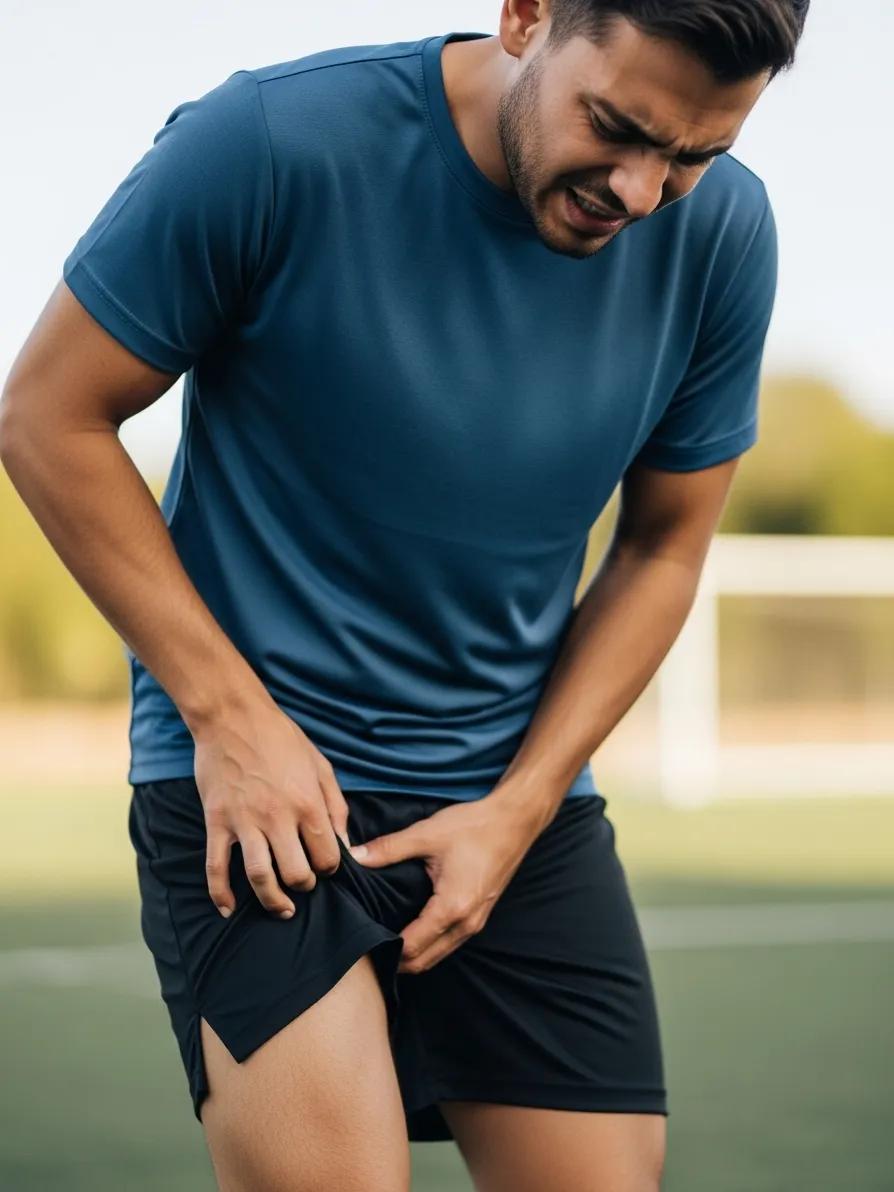
A pulled groin muscle — also called a groin strain — is a frequent sports-related injury that happens with quick starts, sudden direction changes, or overstretching. Recognizing the signs early makes it easier to get the right care and speed recovery. This guide explains common symptoms, how clinicians diagnose groin strains, proven treatment options, expected recovery timelines, and steps to prevent re-injury.
Common Symptoms of a Pulled Groin Muscle
Knowing what to look for helps you act fast. Typical signs include localized pain in the groin or inner thigh, swelling, and sometimes bruising. Symptom severity ranges from a mild ache to sharp pain that limits movement — the degree of discomfort usually reflects how severe the strain is. Early recognition helps guide appropriate care and a faster return to activity.
Research shows these injuries are especially common in athletes and underscores why accurate diagnosis and treatment are important to prevent recurrence.
Adductor Strains in Athletes: Incidence, Diagnosis & Treatment
Acute adductor injuries are common in sport. Across 25 college sports the overall incidence was 1.29 injuries per 1,000 exposures, with men’s soccer (3.15) and men’s hockey (2.47) having the highest rates. Recurrence is also notable — about 18% in professional soccer and 24% in professional hockey. Successful return to play and reduced reinjury risk depend on sound anatomical knowledge, a thorough clinical exam to secure an accurate diagnosis, and an evidence-based treatment and return-to-play progression.
Adductor strains in athletes, MP McHugh, 2023
Recognizing Groin Strain Symptoms and Signs of a Muscle Tear
Groin strain symptoms vary from a mild tightness to intense pain. Mild strains often feel like a persistent ache or tightness during activity, while more severe strains can cause sharp pain and limit walking or pivoting. Swelling and bruising may appear within hours or over the next day. Spotting these signs early helps prevent further damage and speeds recovery.
What Pulled Groin Pain Typically Feels Like
Many people describe a pulled groin as a sharp, stabbing pain with movement, especially when pushing off or changing direction. Others feel a constant, low-grade ache at rest. Pain can travel down the inner thigh and make everyday tasks or sports participation difficult. Noting when the pain started and what activity triggered it helps clinicians identify the likely severity.
How Is a Pulled Groin Muscle Diagnosed?

Diagnosis usually begins with a physical exam. A clinician will check for tenderness, range of motion, and strength deficits in the groin and hip. If the exam suggests a more serious tear or if symptoms persist, imaging such as MRI or ultrasound can clarify the extent of soft-tissue injury.
When to See a Doctor for Groin Pain
See a healthcare professional if your groin pain is severe, getting worse, or limits walking or daily activities. Immediate medical attention is also warranted for large swelling, visible deformity, or inability to bear weight. Early evaluation helps guide a safe, effective recovery plan.
Diagnostic Methods for Groin Muscle Injuries
Clinicians rely on a combination of a focused physical exam and imaging when needed. The exam evaluates strength, pain with specific movements, and functional limitations. MRI and ultrasound provide detailed views of muscle and tendon damage and help determine the appropriate treatment path.
Effective Treatments for a Pulled Groin Muscle
Treatment aims to control pain, reduce inflammation, and restore strength and flexibility. Physiotherapy is a cornerstone of care because it targets the adductor muscles with progressive rehabilitation. Complementary therapies such as massage and acupuncture can support recovery by easing muscle tension and improving circulation.
How Physiotherapy Supports Recovery from a Groin Injury
Physiotherapy programs are tailored to the injury and the patient’s activity goals. Early work focuses on pain control and gentle range-of-motion, then progresses to strengthening, neuromuscular control, and sport-specific drills. Therapists may also use modalities like ultrasound or electrical stimulation to manage symptoms and encourage healing.
The Role of Massage Therapy and Acupuncture in Pain Relief
Massage therapy can loosen tight muscles, reduce local tension, and improve blood flow — all helpful during rehabilitation. Acupuncture may reduce pain and promote the body’s healing responses when used alongside exercise-based rehab. Together with physiotherapy, these approaches can make recovery more comfortable and efficient.
Typical Recovery Time for a Groin Muscle Injury
Recovery depends on strain severity. Mild strains often improve within a few weeks, while moderate or severe tears may take several months. Following a structured rehab plan and avoiding premature return to high-demand activity are key to a full recovery.
How Long Recovery Usually Takes
As a general guide, mild groin strains commonly heal in about 2–4 weeks. Moderate to severe strains can require 8–12 weeks or longer for full recovery. Age, overall health, and how closely you follow rehabilitation recommendations all influence the timeline.
Factors That Affect Healing and Rehab Duration
Healing time is shaped by the injury’s severity, your baseline fitness, age, and any previous groin problems. Consistent adherence to rehab exercises, a gradual return-to-play plan, and appropriate medical oversight also strongly affect outcomes.
Preventing Pulled Groin Muscle Injuries
Prevention focuses on proper preparation and targeted strength and flexibility work. A consistent warm-up, sport-specific conditioning, and balanced strength training reduce the risk of groin strains.
Knowing the key risk factors for groin strains in athletes helps teams and clinicians build targeted prevention and preseason conditioning programs.
Risk Factors for Groin Strain Injuries in Athletes
Groin injury is among the most commonly reported problems in sports such as ice hockey, soccer, Australian Rules football, calisthenics and cricket. Few prospective studies examine risk factors, but findings link previous groin injury and imbalanced abductor-to-adductor strength ratios to higher risk. Sport-specific training, inadequate preseason preparation, and core weakness — including delayed activation of the transversus abdominis — may also increase susceptibility to groin strain.
What are the risk factors for groin strain injury in sport?
A systematic review of the literature, C Emery, 2007
Top Tips to Reduce Your Risk of Groin Strain
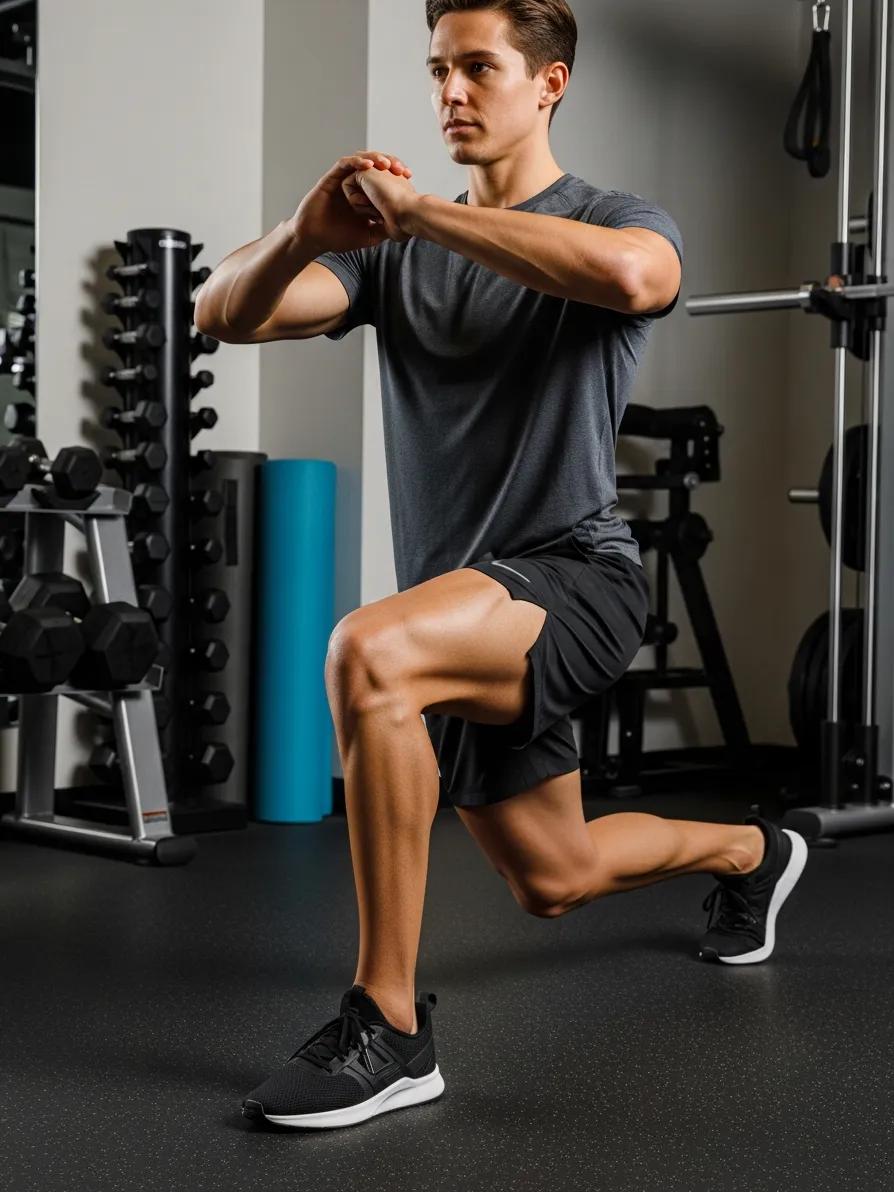
To lower your chance of a groin strain, try these practical steps:
- Warm up properly: Start with dynamic stretches and light aerobic movement before intense sessions.
- Strengthen core and leg muscles: Include exercises that build adductor strength and hip stability.
- Increase activity gradually: Avoid sudden jumps in intensity or duration so your tissues can adapt.
Rehabilitation Exercises That Support Long-Term Groin Health
Consistent rehab helps prevent recurrence. Useful exercises include:
- Adductor stretch: Improves groin flexibility and range.
- Side lunges: Builds adductor strength and lateral stability.
- Hip bridges: Strengthens the glutes and core to support the lower body.
Frequently Asked Questions
What are the long-term effects of a pulled groin muscle?
If a groin strain isn’t fully rehabilitated, it can lead to chronic pain, ongoing weakness, and a higher chance of reinjury. Compensating for groin pain may also cause problems in the hips, knees, or lower back. A structured rehab plan reduces these risks and helps restore normal movement.
Can a pulled groin muscle lead to other injuries?
Yes. Avoiding pain by changing how you move can overload adjacent muscles and joints, which may cause secondary injuries to the hips, knees, or spine. Early assessment and proper rehab help prevent this cascade.
What lifestyle changes can help prevent groin injuries?
Support injury prevention with regular strength and flexibility work for the core and lower body, a balanced diet to support tissue repair, adequate hydration, and sufficient rest. Progress training loads gradually and prioritize thorough warm-ups and cool-downs.
Are there specific sports that increase the risk of groin injuries?
Certain sports — especially those with frequent direction changes, sprinting, or lateral movements like soccer, hockey, and basketball — carry a higher groin injury risk. Athletes in these sports should include targeted adductor and core work in their training.
How can I tell if my groin injury is severe?
Severe groin injuries typically cause sudden, intense pain, significant swelling, visible bruising, or an inability to walk or bear weight. If you have any of these signs, seek medical evaluation to determine the best treatment plan.
What role does nutrition play in recovery from a groin injury?
Nutrition supports tissue repair and recovery. Eat adequate protein, and include vitamin C, zinc, and omega-3s to help reduce inflammation and aid healing. Staying hydrated and considering a nutritionist for tailored advice can improve recovery outcomes.
Early Warning Signs of a Groin Muscle Tear
Early warning signs may include:
- Severe pain: A sudden, intense pain during activity.
- Swelling: Noticeable swelling around the groin shortly after the injury.
- Inability to move the leg: Difficulty moving the leg or bearing weight.
How Pain Relief Methods Can Help Pulled Groin Discomfort
Common pain-relief strategies include:
- Rest and ice: Ice reduces swelling and eases pain in the first 48–72 hours.
- Over-the-counter medications: NSAIDs can help manage pain and inflammation when appropriate.
- Compression and elevation: Compression wraps and elevating the leg help control swelling and discomfort.
For additional support during recovery, consider complementary options like massage therapy, which can work well alongside physiotherapy.