
Postpartum physiotherapy supports new mothers as they recover physically after childbirth. Focused on rebuilding strength, restoring function, and improving pelvic health, this care addresses common postnatal concerns that can affect day-to-day life. In Toronto, specialized physiotherapy services offer individualized plans to help women safely regain fitness, manage pain, and treat conditions like urinary incontinence or abdominal separation. Below we outline what postpartum physiotherapy involves, the techniques used, how complementary therapies can help, and how OHIP may support treatment costs.
What is Postpartum Physiotherapy and How Does It Support Recovery?
Postpartum physiotherapy is a targeted rehabilitation approach for people after delivery. It responds to the musculoskeletal and pelvic changes that occur during pregnancy and birth, using evidence-based methods to reduce pain, restore mobility, and rebuild core and pelvic floor strength. The goal is practical: help you return to daily activities and feel more confident in your body.
Understanding Postnatal Physiotherapy Services and Benefits
Postnatal physiotherapy covers a range of therapies tailored to each person’s needs. Common components include pelvic floor re-education, hands-on manual therapy, guided exercise programs, and education on posture and movement. When delivered consistently, these interventions can improve pelvic health, reduce discomfort, and speed up overall recovery. Research suggests that women who access postpartum physiotherapy often report quicker functional gains and better long-term outcomes.
At the same time, some studies show that certain postpartum issues—like urinary incontinence—can persist long term, highlighting the need for ongoing care in some cases.
Long-Term Outcomes of Postnatal Incontinence Treatment
The modest short-term improvements from a brief nurse‑led conservative program for postnatal urinary incontinence did not last. Roughly four out of five women who had incontinence three months after childbirth still reported symptoms 12 years later.
Twelve‐year follow‐up of conservative management of postnatal urinary and faecal incontinence and prolapse outcomes: randomised controlled trial, C Macarthur, 2014
How Pelvic Floor Therapy Aids Postpartum Rehabilitation
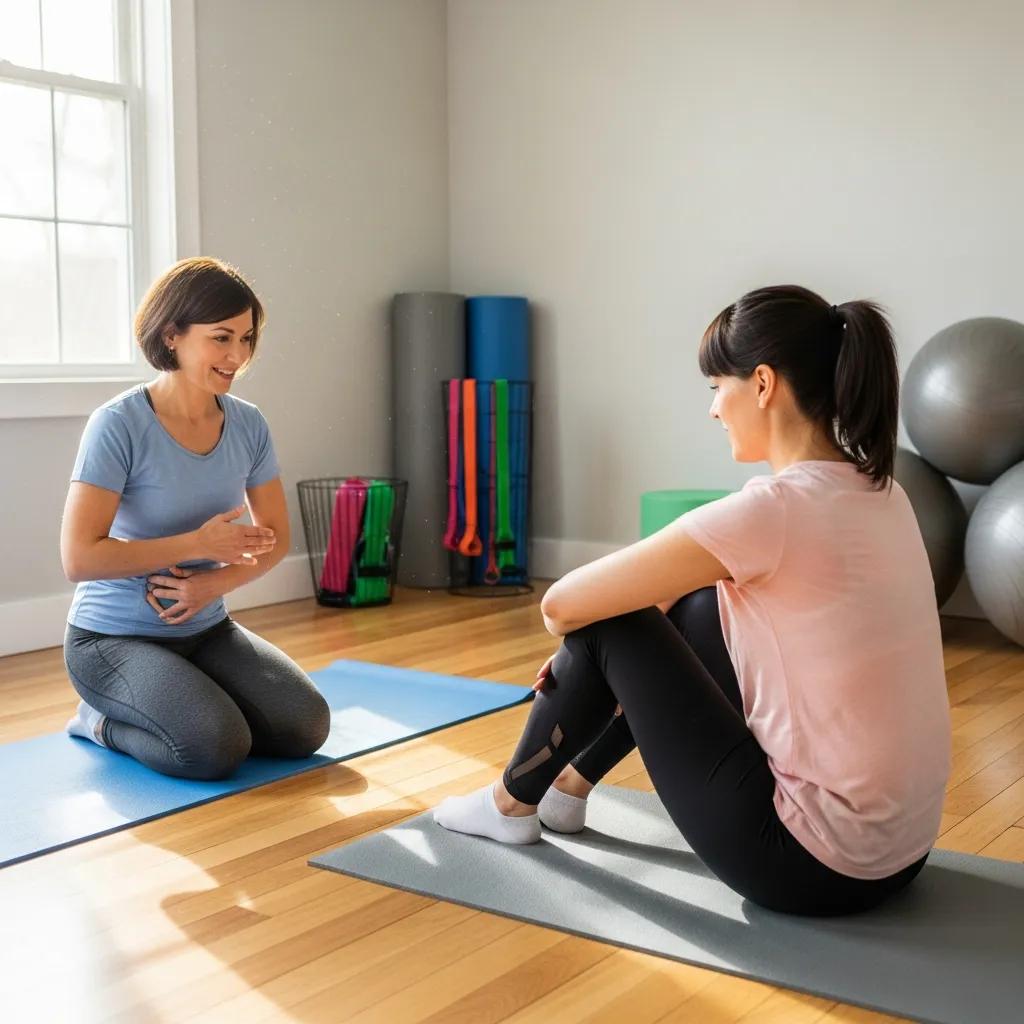
Pelvic floor therapy is central to many postpartum programs. It uses focused exercises and techniques to strengthen the pelvic muscles weakened by pregnancy and delivery. This work can improve bladder control, support healing from diastasis recti, and reduce pelvic pain. When combined with clear coaching and progressive exercises, many individuals notice meaningful improvements in both symptoms and everyday function.
Evidence also points to the added value of technologies like biofeedback in improving pelvic floor training outcomes.
Pelvic Floor Physical Therapy & Biofeedback for Postpartum Recovery
Treatment options for pelvic floor disorders include medications, botulinum toxin, surgery, physical therapy, and biofeedback. Pelvic floor muscle training targets strength, speed, endurance, and coordination of voluntary pelvic contractions. Biofeedback complements physical therapy by using equipment to monitor or amplify muscle activity and give patients real‑time feedback. Studies show biofeedback can be effective for conditions such as dyssynergic defecation, fecal incontinence, and low anterior resection syndrome, and it may outperform pelvic floor muscle training alone in some cases.
Biofeedback for pelvic floor disorders, T Curran, 2021
Which Postpartum Pelvic Floor Therapy Techniques Are Offered in Toronto?
Clinics across Toronto offer a variety of pelvic floor approaches that are selected based on each patient’s presentation and goals.
| Technique | Description | Benefits |
|---|---|---|
| Pelvic Floor Exercises | Targeted movement patterns and contractions to strengthen pelvic muscles | Better bladder control, less pelvic pain, improved stability |
| Biofeedback Therapy | Sensor‑based feedback to help you feel and refine pelvic muscle activity | Greater awareness and control of pelvic contractions |
| Manual Therapy | Hands‑on release and mobilization to relieve tension and restore function | Reduced pain and improved mobility |
Providers often combine these techniques into a personalized plan so treatment addresses both symptoms and functional goals.
Pelvic Rehabilitation Exercises for Strengthening and Function
Rehabilitation exercises target the pelvic floor and the deeper core muscles needed for everyday stability. Typical exercises include Kegels (performed with proper technique), bridges, pelvic tilts, and progressive core work. Practicing these exercises regularly, under guidance, improves muscle tone, posture, and comfort during routine activities.
Managing Diastasis Recti and Urinary Incontinence Post-Childbirth
Diastasis recti (abdominal separation) and urinary incontinence are common after delivery. Effective management blends specific abdominal and pelvic floor exercises, education on safe movement and lifting, and gradual return to heavier activity. With consistent therapy and proper technique, many people reduce symptoms and rebuild functional strength to return to their previous activities.
Diastasis recti is widespread in the early postpartum period, which makes targeted assessment and exercise important.
Postpartum Diastasis Recti: Prevalence & Exercise Management
Diastasis rectus abdominis (DRA) — a separation of the rectus abdominis muscles — is a common, expected change after pregnancy. It can affect up to 60% of women in the immediate postpartum period.
Use of exercise in the management of postpartum diastasis recti: a systematic review, 2022
How Does OHIP Coverage Work for Postnatal Physiotherapy in the Greater Toronto Area?
Knowing how OHIP coverage applies to postnatal physiotherapy can make accessing care easier. OHIP covers certain physiotherapy services for eligible patients, which can lower out‑of‑pocket costs for assessments and treatments provided by registered physiotherapists.
Eligibility and Coverage Details for OHIP Physiotherapy Services
To qualify for OHIP-funded physiotherapy, patients generally need a valid Ontario health card and a referral from a physician where required. Covered services usually include assessments and treatments delivered by registered physiotherapists within the OHIP framework. Always confirm coverage details with your clinic and insurer, as there can be limits and eligibility rules to consider.
Payment Options and Clinic Locations in Bolton, North York, and York
Beyond OHIP, many clinics in the GTA accept private insurance, offer direct‑billing, or provide flexible payment arrangements. Locations in Bolton, North York, and York serve local communities and can help patients choose the best option for care that fits their schedule and budget. Visit individual clinic pages for specific service availability.
What Complementary Therapies Enhance Postpartum Physiotherapy Outcomes?
Complementary therapies often reinforce physiotherapy by addressing pain, stress, and soft tissue recovery—helping create a more complete healing plan.
Role of Massage Therapy in Postnatal Pain Relief and Recovery
Massage therapy supports postpartum recovery by releasing muscle tension, improving circulation, and promoting relaxation. When combined with physiotherapy, massage can ease discomfort and help you move more comfortably through day‑to‑day tasks. Many patients find it a valuable element of a holistic recovery plan.
Benefits of Acupuncture for Postpartum Pelvic Health
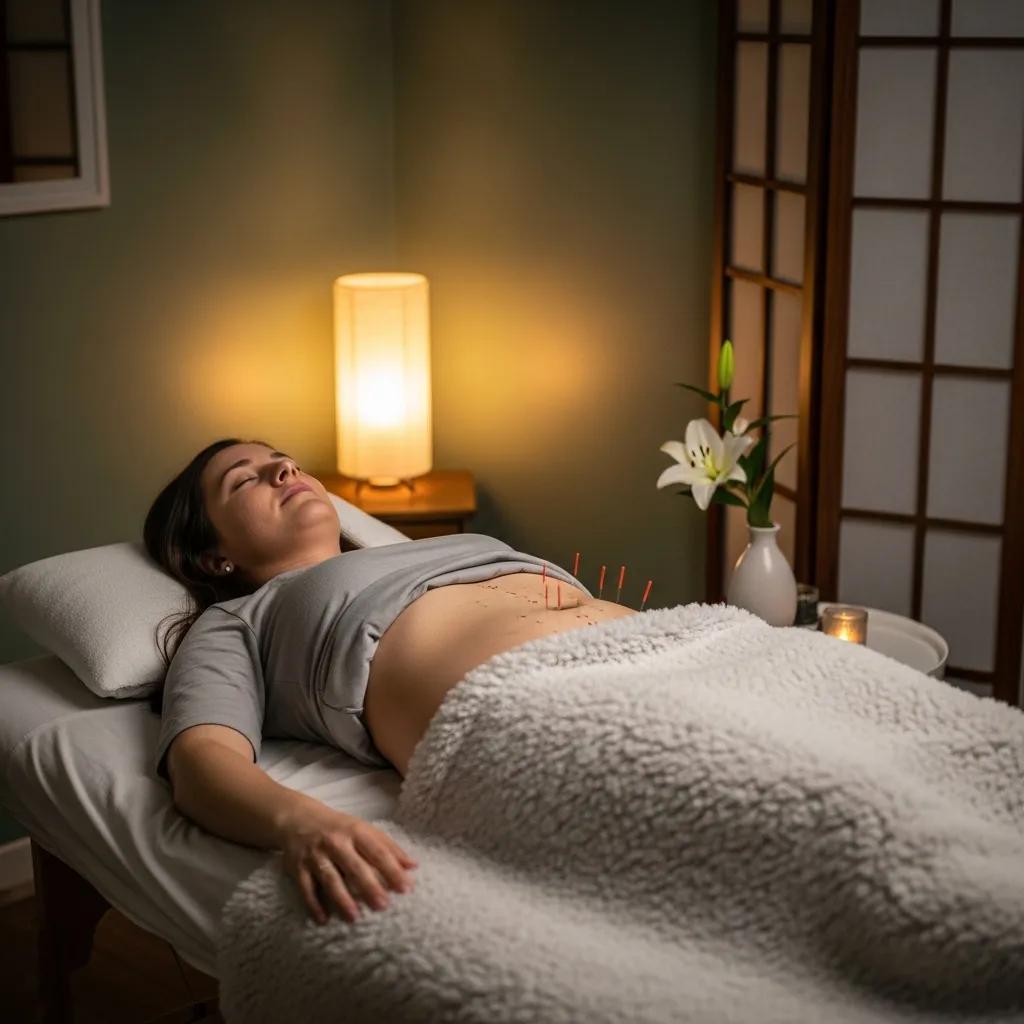
Acupuncture may also complement physiotherapy for pain management and stress reduction. By targeting specific points, acupuncture can help ease discomfort and support overall balance during recovery. Many people report that combining acupuncture with their physiotherapy program improves comfort and resilience.
What Can Patients Expect During Their Postpartum Physiotherapy Journey?
Your physiotherapy journey typically begins with a thorough assessment and progresses to a customized treatment plan. The approach is practical, goal‑focused, and adjusted over time to match healing and functional needs.
Typical Recovery Timeline and Milestones After Childbirth
Recovery timelines vary, but many people notice improvement within weeks of starting physiotherapy. Common milestones include increased core strength, reduced pain, and better mobility. A typical structured program may last 8 to 12 weeks, though some individuals need more time depending on their condition and goals. Regular reassessment helps guide progress and modify treatment as needed.
Patient-Centred Care Approach and Success Stories in Toronto Clinics
Toronto clinics emphasize patient‑centred care: listening to goals, tailoring plans, and supporting return to meaningful activities. Success stories from local patients often highlight regained confidence, reduced symptoms, and improved quality of life—underscoring the positive impact of specialized postpartum physiotherapy.
Frequently Asked Questions
What should I expect during my first postpartum physiotherapy appointment?
Your first visit will include a detailed history and a physical assessment to understand your symptoms, delivery history, and activity goals. The therapist may assess posture, abdominal separation, pelvic floor function, and movement patterns. From there you’ll receive a clear plan—often a mix of education, targeted exercises, and hands‑on treatment—so you know the next steps for safe recovery.
How long does postpartum physiotherapy typically last?
Duration depends on your needs. Many treatment plans run 8–12 weeks with sessions once or twice weekly, but some people require shorter or longer programs. Therapists monitor progress and adjust frequency and exercises to match recovery and goals.
Are there any risks associated with postpartum physiotherapy?
Postpartum physiotherapy is generally safe when guided by a qualified clinician. Risks mainly come from performing exercises incorrectly or starting activity too quickly. Working with a trained postpartum physiotherapist reduces risk—they tailor exercises, monitor progress, and modify treatment if symptoms arise.
Can postpartum physiotherapy help with emotional recovery as well?
While its primary focus is physical recovery, physiotherapy can positively affect emotional well‑being. Improved physical function, reduced pain, and supportive care relationships can boost mood and confidence. Exercise also releases endorphins, which can help counter anxiety and low mood.
How can I maintain my pelvic health after completing physiotherapy?
Ongoing pelvic health is supported by regular pelvic floor exercises, continued core training, mindful body mechanics during lifting and daily tasks, and staying active. Periodic check‑ins with your physiotherapist can help address new concerns and keep your program effective over time.
What should I do if I experience pain during postpartum exercises?
If an exercise causes pain, stop and contact your physiotherapist. Pain can indicate incorrect form or that the exercise isn’t appropriate for your current stage of recovery. Your therapist can modify the exercise or suggest alternatives to keep you progressing safely.