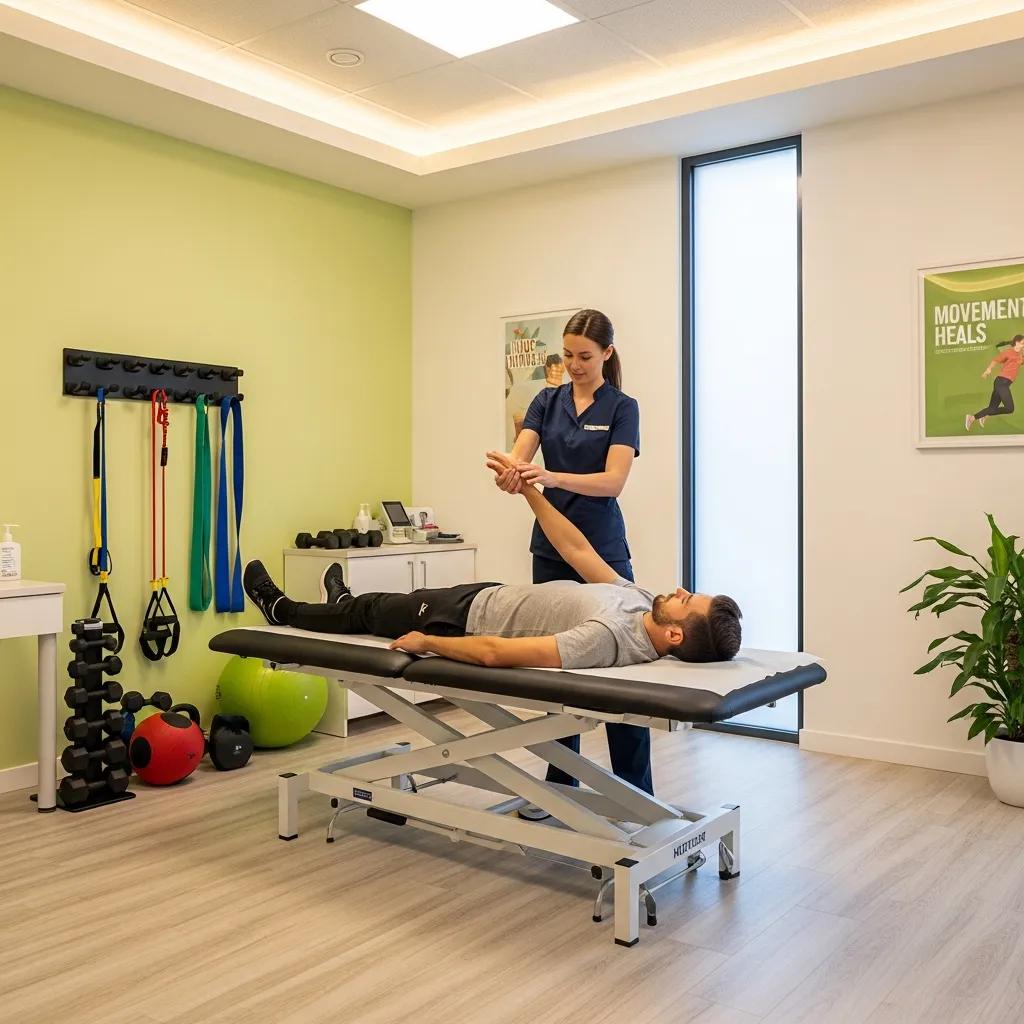
Knowing what physiotherapy will cost in Toronto helps you plan treatment with confidence. Whether you’re recovering from an injury, surgery, or managing a long-term condition, understanding fees, coverage and billing options makes it easier to choose the right care. This guide breaks down typical session prices across Toronto and the GTA, the main cost drivers, how OHIP may apply, and complementary therapies that can affect your total spend. By the end, you’ll have a practical picture of what to expect financially for physiotherapy in the area.
Average Physiotherapy Session Costs in Toronto and the GTA

Session fees in Toronto and the surrounding region vary with clinic location, treatment type and provider experience. As a general guide, private physiotherapy sessions typically fall in the $90 to $150 range per visit.
| Service Type | Average Price | Coverage |
|---|---|---|
| Initial Assessment | $100 | Varies by insurance |
| Follow-up Session | $80 to $100 | Varies by insurance |
| Specialized Treatments | $120 | Limited coverage |
These figures reflect typical private clinic rates, chosen for their flexibility and one-on-one care. Your actual cost will depend on the clinic and the specifics of your treatment plan.
How Private Physiotherapy Fees Differ Across Toronto and Mississauga
Rates can change by neighbourhood because of rent, demand and clinic specialization. Urban clinics usually have higher overhead, while suburban locations can be more affordable.
- Downtown Toronto: Average fees range from $100 to $150 per session.
- North York: Fees typically range from $80 to $120 per session.
- Mississauga: Patients can expect to pay between $70 and $120 per session.
Comparing local clinics and reading recent patient reviews can help you find quality care that fits your budget.
What Factors Influence the Cost of Rehab Therapy in Toronto?
A few key elements determine what you’ll pay for rehab therapy. Understanding them makes it easier to compare options.
- Location: Clinics in busy urban areas usually charge more because of higher rent and operating costs.
- Type of service: Specialized programs — for sports injuries, pelvic health, or post-op rehab — often cost more than standard sessions.
- Insurance coverage: The level of private or OHIP coverage you have can greatly reduce your out-of-pocket expenses.
Considering these factors with your therapist will help you build a care plan that balances effectiveness and affordability.
Does OHIP Cover Physiotherapy Costs in Ontario and Who Is Eligible?
OHIP does provide physiotherapy coverage in Ontario, but eligibility is limited and typically requires a physician referral. Coverage is focused on specific patient groups and clinical needs.
Which Services Are Covered by OHIP Physiotherapy?
When eligible, OHIP may cover physiotherapy for services such as:
- Post-surgical rehabilitation: Care essential to recovery after certain surgeries.
- Injury rehabilitation: Treatment following accidents or acute injuries.
- Chronic condition management: Targeted programs for conditions like stroke recovery or severe arthritis.
Coverage can be limited to participating clinics and defined service types, so confirm details with your provider before starting treatment.
How to Check Your Eligibility for OHIP-Funded Physiotherapy
To find out if you qualify for OHIP physiotherapy, follow these steps:
- Talk to your physician: Get a referral if your condition meets OHIP criteria.
- Confirm clinic participation: Make sure the clinic accepts OHIP-funded patients.
- Clarify covered services: Ask which treatments are included under OHIP at that location.
These steps will help you access OHIP-covered care when it’s available to you.
What Complementary Therapies Affect Overall Physiotherapy Costs?
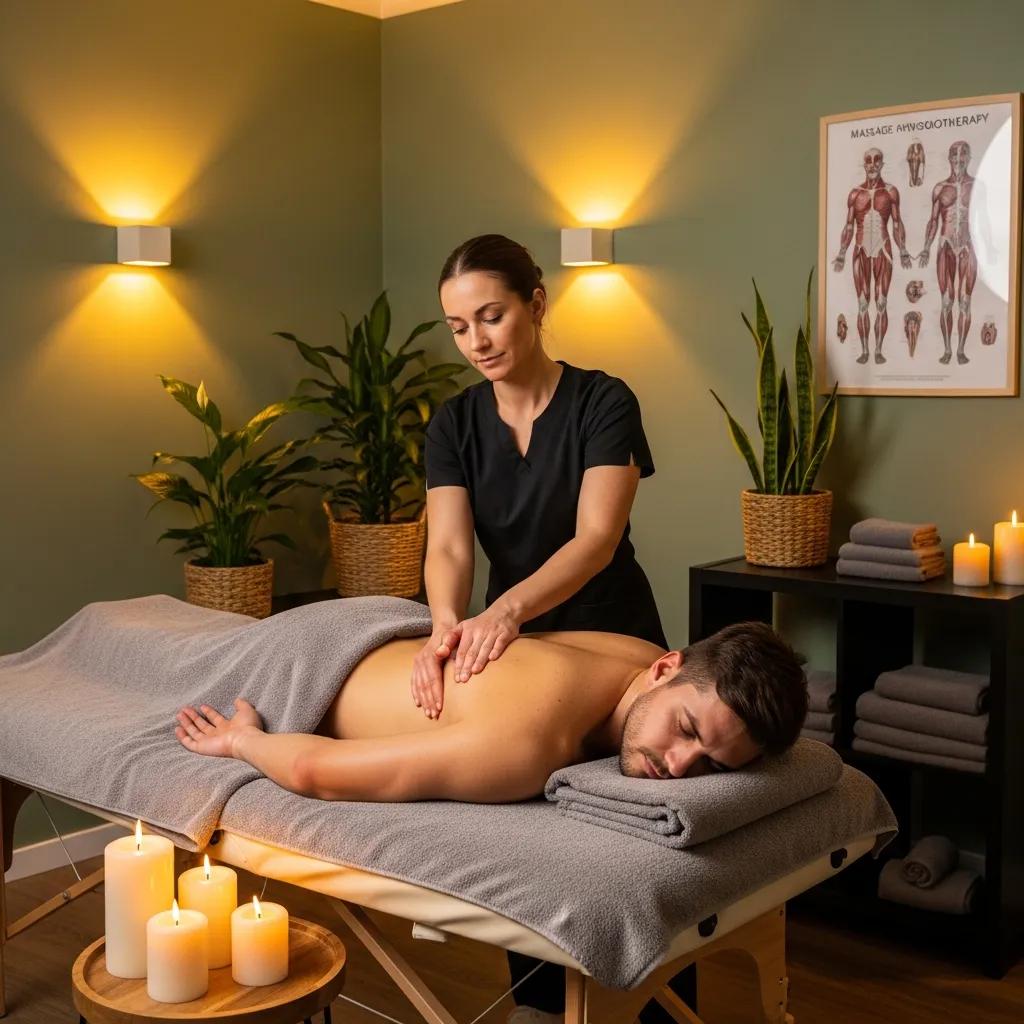
Complementary treatments can improve recovery but add to the total cost. Knowing how they support physiotherapy and their typical price ranges helps you plan a complete rehab program.
How Massage Therapy Supports Physiotherapy
Massage therapy is often used alongside physiotherapy and offers several practical benefits:
- Pain relief: Reduces muscle tension and eases discomfort.
- Improved mobility: Supports flexibility and range-of-motion gains.
- Faster recovery: Promotes circulation and tissue healing.
Expect massage therapy to cost roughly $70 to $130 per session, depending on the practitioner and clinic.
Benefits and Costs of Acupuncture in Rehabilitation
Acupuncture can be an effective adjunct for many rehab patients. Common benefits include:
- Pain management: Helpful for persistent or chronic pain.
- Reduced inflammation: Can aid recovery after injury.
- Stress relief: Supports relaxation and mental well-being during rehab.
Acupuncture sessions typically range from $80 to $140, depending on the practitioner and location.
How Many Physiotherapy Sessions Are Typically Needed for Recovery?
The number of sessions varies by condition, severity and individual response. Your therapist will recommend a plan that fits your goals and progress.
Average Treatment Duration for Common Conditions
Typical course lengths include:
- Acute injuries: About 6–10 sessions over 4–8 weeks.
- Post-surgical rehabilitation: Often 8–15 sessions across 8–12 weeks.
- Chronic conditions: May require ongoing or periodically spaced sessions tailored to long-term management.
These averages give a starting point, but your actual timeline will depend on how you respond to treatment.
How Patient Outcomes Affect How Many Sessions You Need
Several factors influence session count and frequency:
- Condition severity: More serious injuries usually need more sessions.
- Patient adherence: Doing prescribed home exercises and following guidance speeds recovery.
- Individual response: Some people progress faster and need fewer visits; others require a longer course.
Open communication with your therapist will help tailor the plan as your recovery evolves.
Booking and Direct Billing Options for Physiotherapy in Toronto
How clinics handle booking and billing can affect convenience and out-of-pocket costs. Understanding common practices helps you choose a clinic that fits your needs.
How Direct Billing Works with OHIP and Private Insurance
Many clinics offer direct billing so they can submit claims to OHIP or your private insurer on your behalf. This simplifies payment and minimizes what you pay up front. Key points include:
- Eligibility checks: Clinics confirm your coverage before treatment starts.
- Claim submission: The clinic files insurance claims directly for you.
- Out-of-pocket responsibility: Any remaining balance after coverage is billed to the patient.
Direct billing removes paperwork from your plate and makes appointments easier to manage financially.
Steps to Book a Physiotherapy Appointment in GTA Clinics
Booking an appointment usually follows a straightforward process:
- Research clinics: Look for providers with the services and reviews that match your needs.
- Contact the clinic: Ask about availability, services and insurance or OHIP participation.
- Schedule your visit: Book a time and share any referral or insurance details required.
Being prepared with your referral and insurance information speeds up the booking and check-in process.
Where to Find Credible Physiotherapy Clinics with Transparent Pricing in Toronto
Transparent pricing and clear communication are key when choosing a physiotherapy clinic. Reliable clinics explain costs, coverage and expected outcomes up front.
Why Focus Physiotherapy Is a Trusted Choice in the GTA
Focus Physiotherapy operates multiple locations across Ontario and emphasizes patient-centered, evidence-based care. Highlights include:
- Comprehensive services: Rehabilitation, massage, acupuncture and custom orthotics available.
- Transparent pricing: Clear explanations of costs and coverage options before treatment.
- Outcome-focused care: Treatment plans designed to restore movement and function efficiently.
These features make Focus Physiotherapy a practical option for many patients in the GTA.
How Multi-Location Clinics Improve Accessibility and Care
Clinics with multiple sites offer practical benefits for patients:
- Convenient locations: Easier to find a clinic near home, work or school.
- Flexible scheduling: More appointment options and greater availability.
- Range of services: Access to multiple treatment types under one provider network.
For targeted support, explore options like massage therapy to complement your physiotherapy plan.
If you’re curious about complementary approaches, learn more about acupuncture and how it can support rehab.
To understand OHIP-funded options, see details on OHIP physiotherapy.
If you’re near York, consider visiting the York Clinic for convenient care.
Residents in North York can find services at the North York Clinic.
Those living near Bolton may prefer the Bolton Clinic for local access to treatment.
Frequently Asked Questions
What should I consider when choosing a physiotherapy clinic in Toronto?
Look for experienced therapists, clear pricing, positive patient feedback and services that match your needs. Check whether the clinic offers direct billing, accepts your insurance, and provides personalized treatment plans. Location and appointment availability matter too — pick a clinic that makes it easy to attend consistently.
Are there any hidden costs associated with physiotherapy sessions?
Most clinics list their fees clearly, but ask upfront about any extra charges. Possible additions include initial assessment fees, costs for specialized treatments, or separate fees for complementary services like massage or acupuncture. Also confirm cancellation policies to avoid unexpected late or no-show charges.
How can I maximize the benefits of my physiotherapy sessions?
Participate actively in your plan: do the prescribed home exercises, follow your therapist’s advice, and keep regular appointments. Communicate openly about pain or progress so your therapist can adjust treatment. A healthy lifestyle — proper sleep, nutrition and hydration — also supports faster recovery.
What should I expect during my first physiotherapy appointment?
Your first visit typically includes a full assessment: the therapist will review your medical history, discuss symptoms, and perform movement and strength tests. From that assessment you’ll get a tailored treatment plan and initial exercises or education to start your recovery.
Can physiotherapy help with chronic pain management?
Yes. Physiotherapy uses manual therapy, targeted exercises, education and modalities like electrical stimulation or ultrasound to reduce pain and improve function. Therapists also teach strategies and lifestyle changes to manage long-term conditions and improve quality of life.
How do I know if my physiotherapy treatment is effective?
Track progress with your therapist through regular assessments and feedback. Signs of effectiveness include reduced pain, improved range of motion, increased strength and better daily function. Therapists adjust the plan as needed, so maintain open communication about how you’re feeling and what’s improving.