
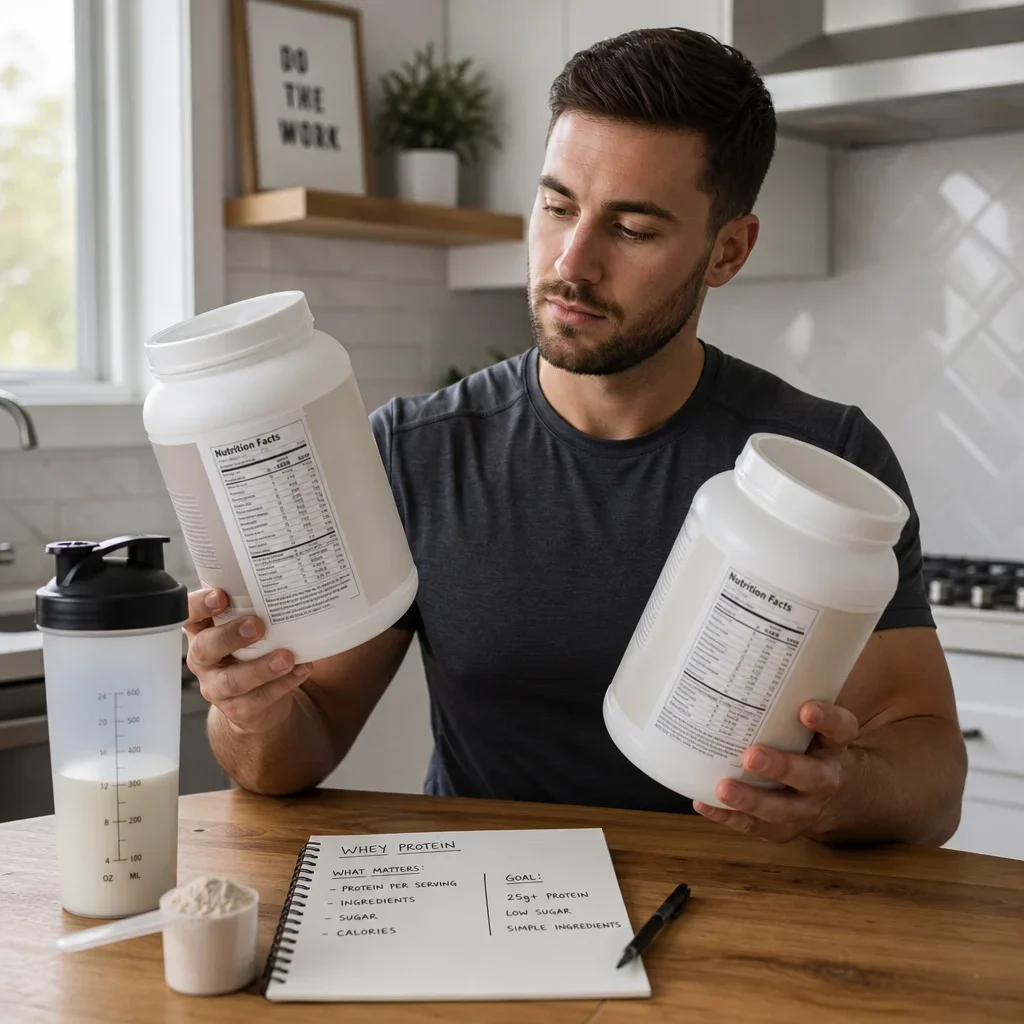
The best whey protein for recovery is rarely the one with the loudest label. It is usually the one you digest well, use consistently, and that gives you enough high-quality protein to support training without adding ingredient clutter.
How to Choose the Best Whey Protein for Recovery
The best whey protein for recovery is usually a simple, well-tolerated product that gives you about 20 to 30 g of protein per serving . For many active adults, whey isolate is the easiest default because it is typically higher in protein by weight and lower in lactose than concentrate . That said, there is no universal no. 1 whey protein. Your best fit depends on training volume, stomach tolerance, budget, taste, and whether you need a shake after lifting, after a long run, or between two sessions in one day.
What protein powder is best for muscle recovery comes down to six filters. We look at protein per serving, whey type, ingredient simplicity, third-party testing, digestibility, and cost per serving. If two tubs have similar protein, the one with a clearer label and better tolerance usually wins. I tell athletes not to chase marketing words like anabolic, ultra-clean, or advanced recovery blend before they check the actual protein dose and ingredient list.
What Recovery Actually Means After Training

Recovery means getting ready to perform again, not just reducing soreness. It includes muscle repair, restoring training capacity, replenishing energy stores, and limiting unnecessary fatigue from one session to the next . Whey can support one part of that process by supplying amino acids for muscle protein synthesis, but it does not replace sleep, total calories, hydration, or rehab when pain is limiting movement.
Is whey protein good for recovery? Yes, for many people, especially when a full meal is not practical after training. Whey is a complete protein, which means it contains all nine essential amino acids . That makes it useful after workouts, but the benefit is smaller if your total daily protein is already solid and you can eat a balanced meal soon after training.
Whey Isolate vs Concentrate vs Hydrolysate for Recovery
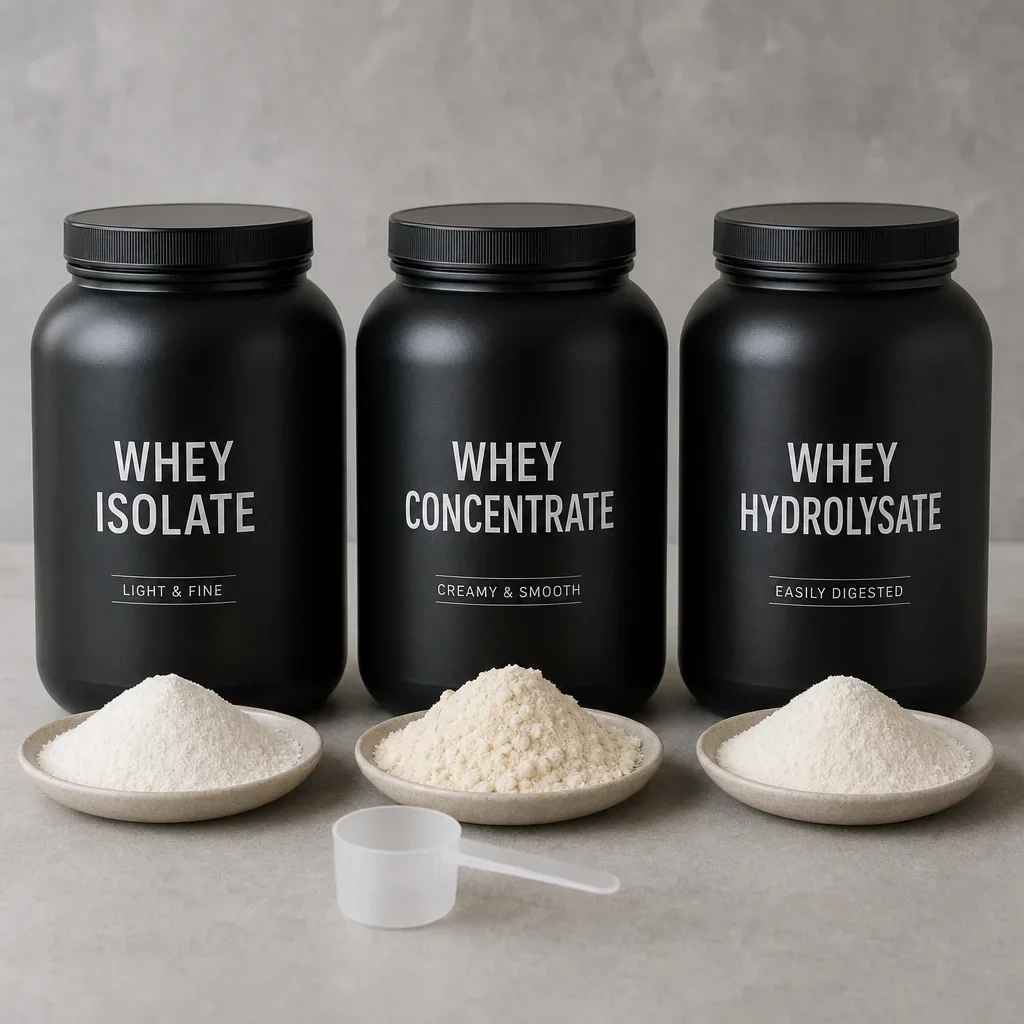
Whey isolate is usually the best first place to start for recovery-focused buyers who want a leaner, easier-to-digest formula. It is typically more processed to remove more lactose and non-protein components than whey concentrate . That is why people asking which protein is best for recovery often land on isolate first, especially if they get bloating with milk-based products.
Whey concentrate can still work very well for muscle recovery if you tolerate it. It is usually less expensive and often tastes creamier, but it may contain more lactose, fat, and carbohydrate depending on the product . If your stomach handles dairy well and you want better value, concentrate can be a perfectly reasonable post-workout choice.
Hydrolyzed whey, or hydrolysate, is partially broken down protein. It is marketed for faster absorption and easier digestion, but that does not make it automatically better for everyone . It often costs more, can taste more bitter, and may still not solve digestive issues if sweeteners or other additives are the real problem. Is hydrolyzed whey easier to digest than regular whey for some users? Yes, sometimes, but not enough to justify the price for every athlete.
How Much Protein Matters Per Serving and Per Day
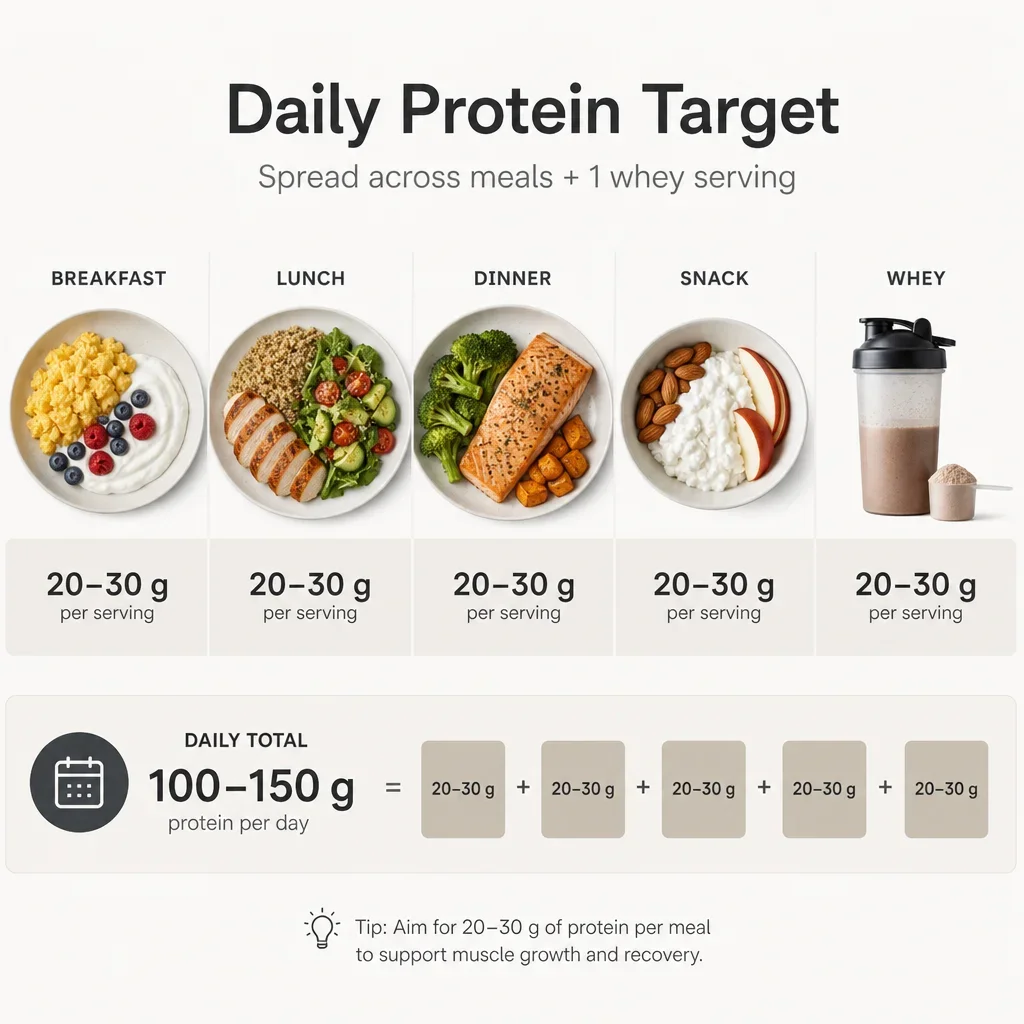
A recovery-focused whey powder should usually give you about 20 to 30 g of protein per serving . That range works well because it helps most active adults add a meaningful amount of protein without needing a very large shake. Bigger athletes, heavier strength trainees, and people using whey as a meal bridge may prefer servings closer to 30 to 40 g per meal total from food plus supplements .
Daily intake matters more than a single scoop. For many active adults and athletes, a practical total protein target is about 1.2 to 2.0 g per kg of body weight per day . A recreational lifter at 75 kg may aim for roughly 90 to 150 g across the day. An endurance athlete with high volume may sit in that same broad range depending on total workload. Someone returning from injury or surgery may need more individualized guidance from a clinician or sports dietitian.
What protein powder is best for muscle gain and what protein powder is best for muscle recovery overlap, but they are not identical questions. For growth, total calories and long-term intake matter more. For recovery, the better product is the one that helps you hit daily protein, sits well in your stomach, and fits the timing of your training day.
Does Leucine, BCAAs, and EAA Content Matter?
Total protein dose and protein quality matter first. Leucine is one essential amino acid tied to triggering muscle protein synthesis, but most complete whey proteins already contain leucine, BCAAs, and EAAs naturally . That means a flashy BCAA callout on the front label is not a reason by itself to buy one tub over another.
What makes one whey protein better for post-workout recovery than another is usually not an isolated amino acid claim. It is whether the product gives enough complete protein, with a label you can understand, and ingredients you tolerate. If a powder advertises amino acid technology but hides actual amounts behind a proprietary blend, we would treat that as a warning sign rather than a benefit.
When to Take Whey Protein for Recovery

Whey is most useful when it closes a gap after training. A practical post-workout window is within about 0 to 2 hours after exercise , but the old idea that you must drink it immediately or lose the benefit is overstated . If you trained hard and your next proper meal is several hours away, whey is convenient. If you are eating lunch 30 minutes later, the urgency is lower.
Morning trainees often do well with whey soon after the session because appetite and time are usually tight. Evening trainees may use whey if dinner is delayed. Athletes doing two-a-day sessions often benefit from portable protein between workouts because the turnaround is shorter. This is where best whey protein powder decisions become practical, not theoretical.
Should You Pair Whey With Carbs After Training?
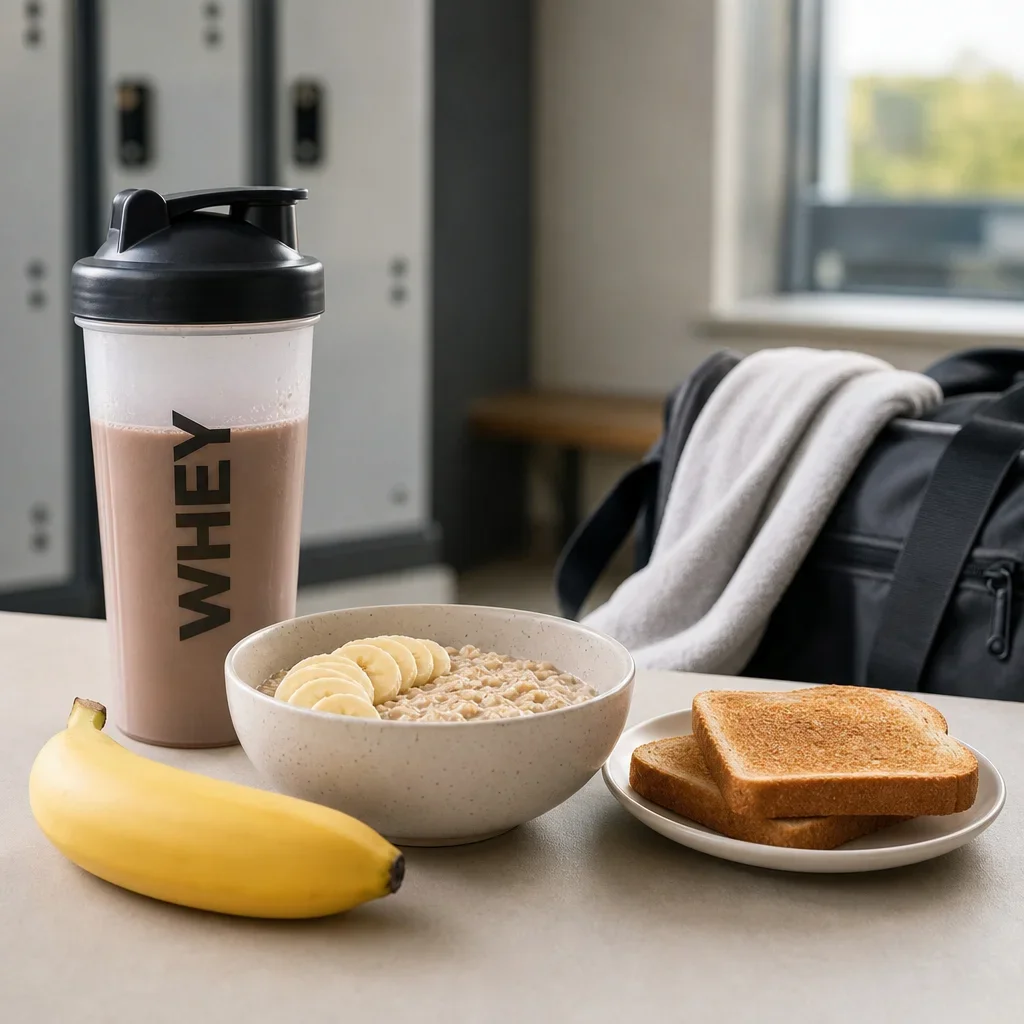
Pairing whey with carbohydrates matters most after longer endurance work, glycogen-depleting sessions, tournaments, or two-a-day training . In those settings, recovery is not just about muscle protein synthesis. It is also about restoring fuel for the next effort. A shake plus fruit, oats, yogurt, or toast can make more sense than protein alone.
After a standard strength workout, protein alone may be enough if your next meal is soon and your overall nutrition is solid. Good post-workout nutrition is contextual. A runner finishing a long session and a lifter finishing a 45-minute gym workout do not need the exact same shake.
What to Look for on the Ingredient Label
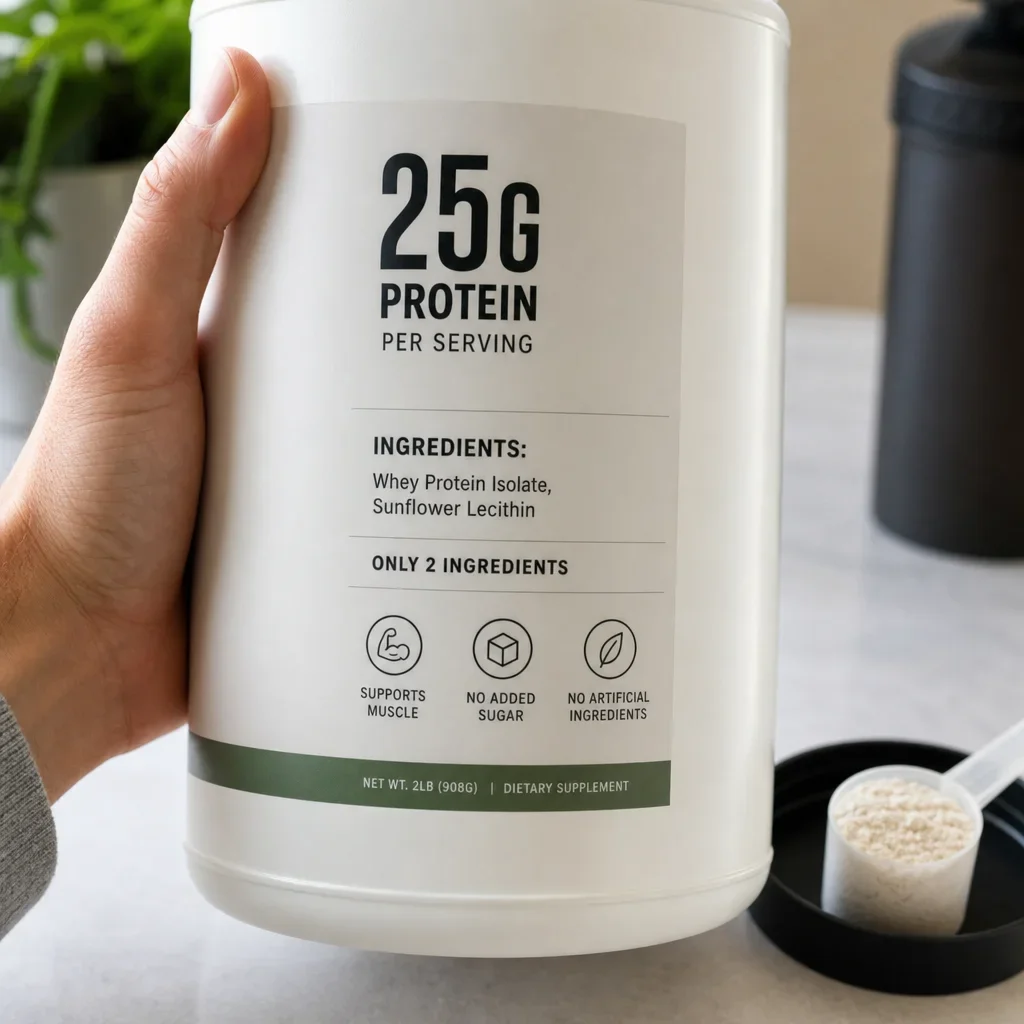
The best whey protein powder has a short, understandable label and a protein source listed near the top. Look for whey isolate, whey concentrate, or hydrolyzed whey clearly stated, then check the protein amount per serving. Sweeteners like sucralose, stevia, and monk fruit are not automatically good or bad. They matter only if you dislike the taste or they upset your stomach .
Ingredients to watch include proprietary blends, long filler lists, and products that distract from modest protein content with added aminos, collagen, or vague recovery complexes . Gums, thickeners, and digestive enzymes are not deal-breakers by themselves. They should simply have a job. If a formula is hard on your stomach, test a simpler product before assuming whey itself is the issue.
Ingredient checklist
- 20 to 30 g protein per serving
- Clear whey type listed on the label
- No proprietary blend hiding meaningful amounts
- Sweetener system you tolerate
- Allergen information clearly stated
- Third-party testing if available
Third-Party Testing, Safety, and Why It Matters
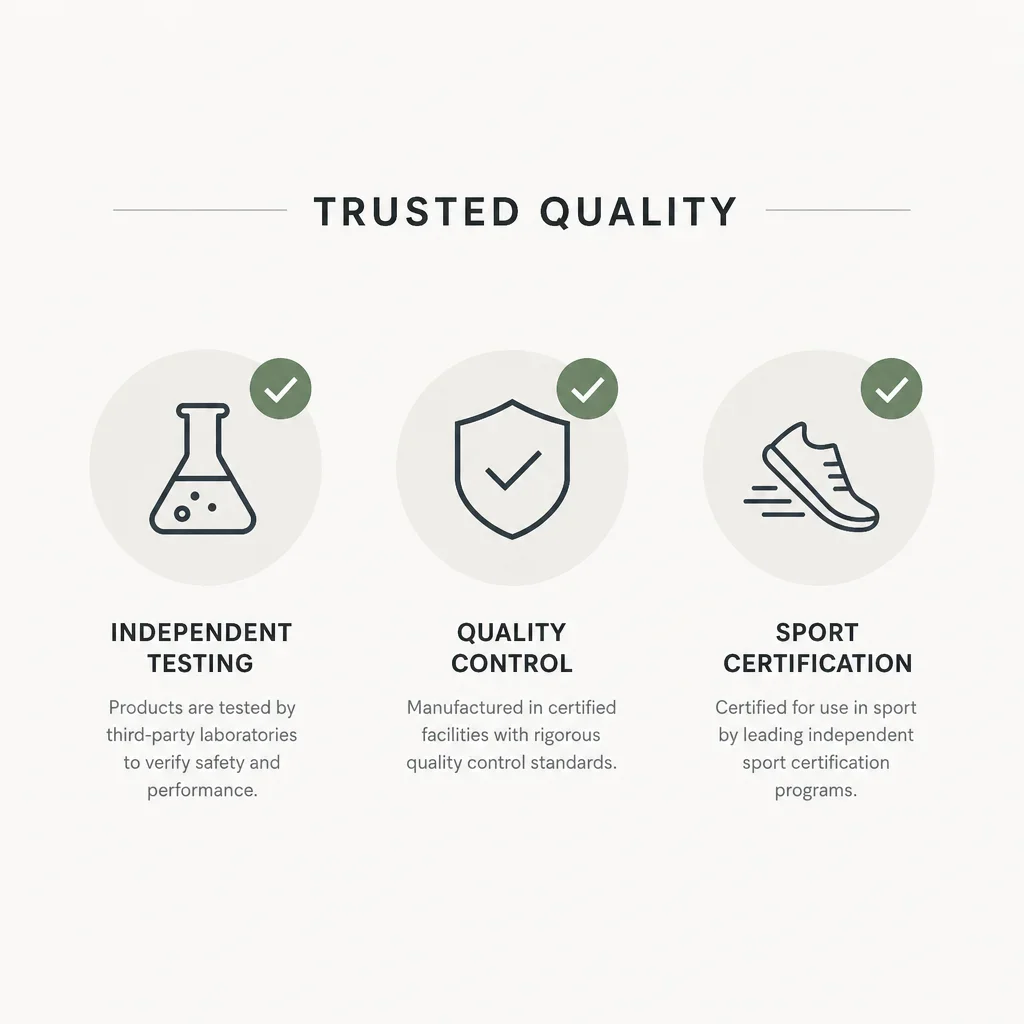
Third-party testing matters because it gives you another layer of quality control beyond the brand’s own label. Programs such as NSF Certified for Sport and Informed Choice are examples buyers may see on protein powders . These programs are not interchangeable with general good manufacturing claims, and they do not mean a powder is medically necessary or superior for recovery. They are simply trust signals around testing standards and, in sport-specific programs, banned-substance screening.
Why do doctors say no to whey protein in some cases? Usually because of context, not because whey is universally bad. Concerns may relate to poor-quality supplements, replacing real meals with shakes, digestive issues, or specific medical conditions where protein intake needs supervision . If you have kidney disease, gastrointestinal disease, or a medically prescribed diet, ask your physician or dietitian before adding supplements. This is general information, not individual medical advice.
Best Choice by Goal: Recovery vs Muscle Gain vs Weight Loss
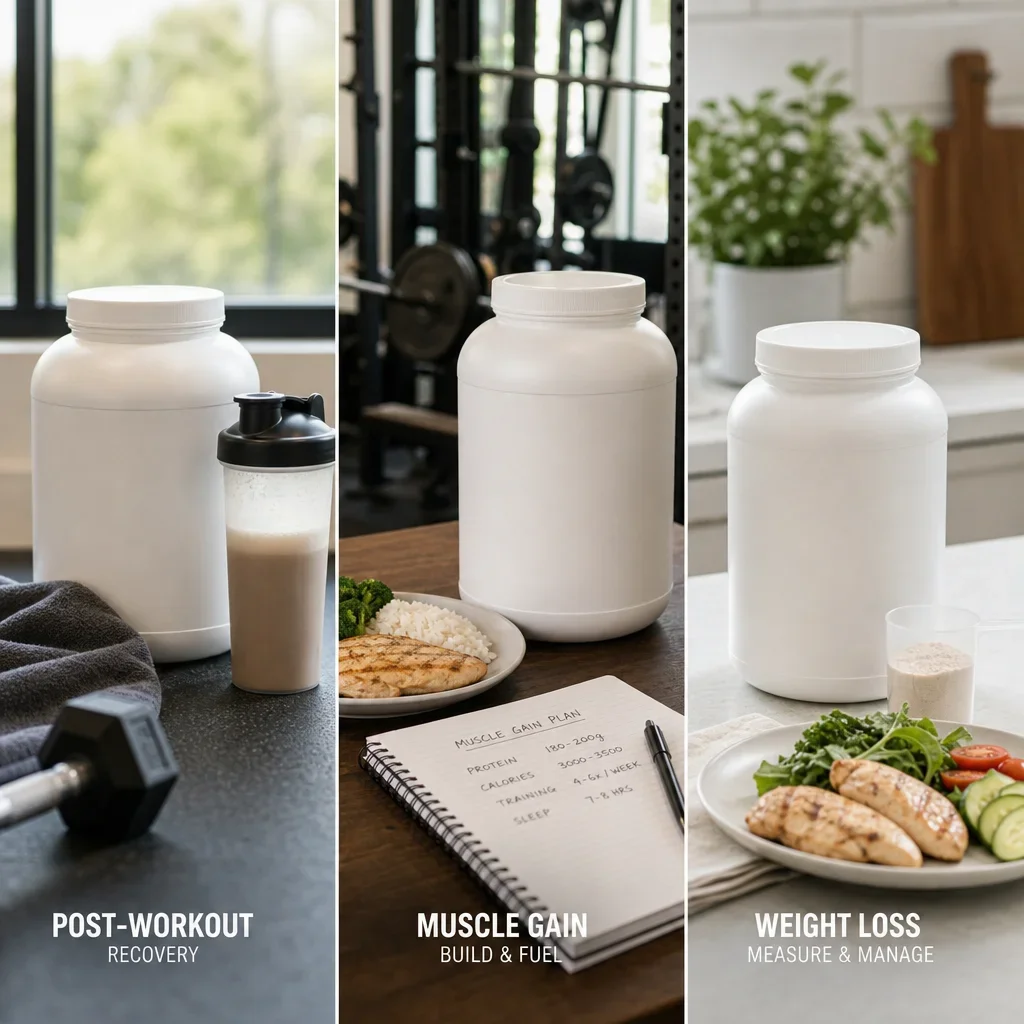
The best whey protein for recovery is not always the same as the best protein powder for muscle gain or the best protein powder for weight loss. Recovery-first buyers should prioritize digestibility, enough protein per serving, and a routine they can repeat. Muscle gain depends more on total daily calories, progressive training, and adequate overall protein. Weight loss depends more on satiety, calorie control, and adherence than on any special whey formula .
The queries best whey protein for recovery male and which protein powder is best for muscle gain for male usually reflect body size and training load more than sex itself. Larger bodies and higher workloads often need more total protein, but the selection rules stay the same. Look at serving size, tolerance, and total daily intake before marketing aimed at men, women, or advanced lifters.
Beginners asking for the best protein powder for muscle gain for beginners should keep it simple. Pick a product with a clear label, a tolerable taste, and a serving that helps you hit your daily target. Fancy add-ons rarely matter early on.
Best Whey Protein for Recovery if You Have a Sensitive Stomach
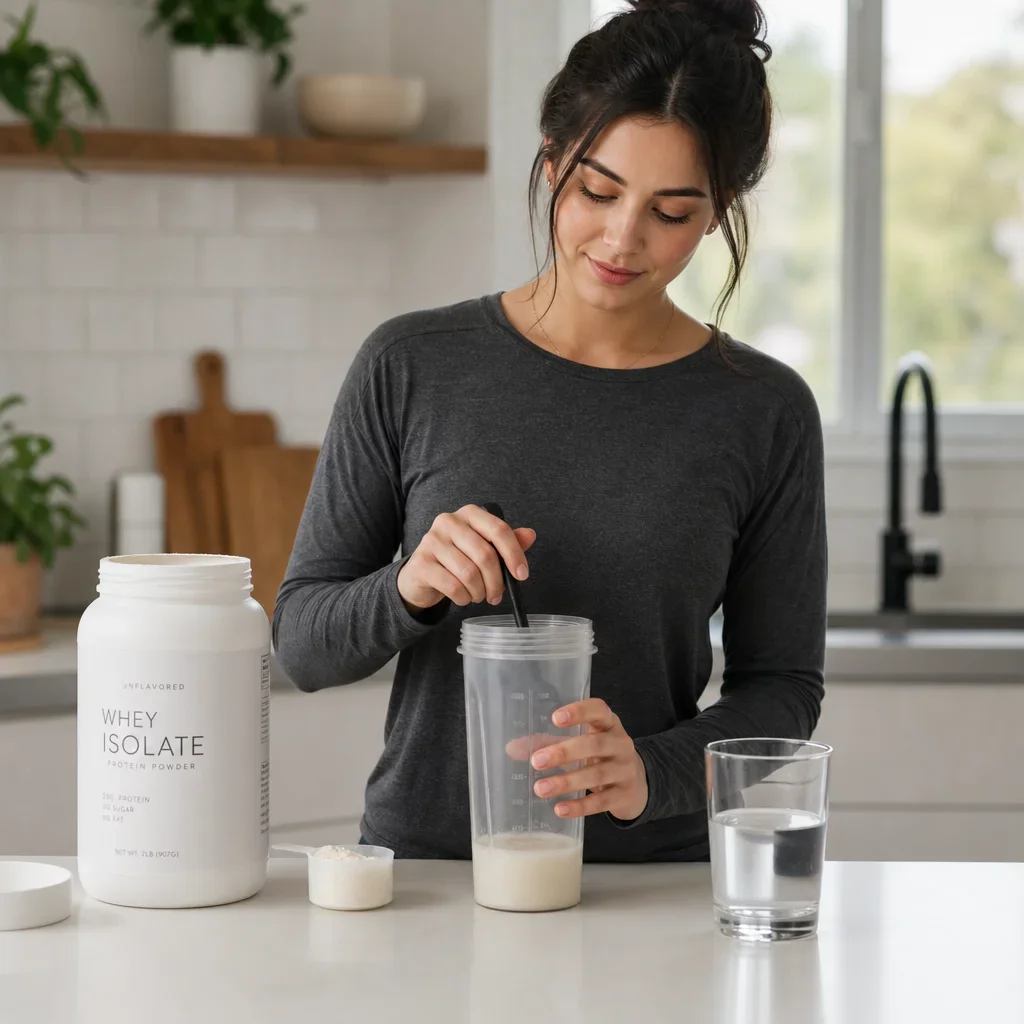
If you are lactose sensitive, whey isolate is usually the first version to try because it is typically lower in lactose than concentrate . Mix it with water first, not milk, and start with a half serving if you are unsure. That makes it easier to tell whether the issue is lactose, serving size, sweetness, or the total formula.
If isolate still causes symptoms, hydrolysate may be worth a trial, but it is not a guaranteed fix . Some people react more to gums, sugar alcohols, or very sweet flavours than to whey itself. If dairy sensitivity is broader than lactose intolerance, a non-dairy complete protein may be a better fit. This is where reading the label matters more than chasing claims about the fastest-absorbing product.
A Recovery Decision Tree by Training Type
The best whey protein for recovery changes with the workout you are recovering from. For lifting, start with a whey powder that gives enough protein per serving and is easy to keep in your routine. For endurance training, think about whether you also need carbohydrates after the session. For team sport or tournament days, portability and digestion matter because the recovery window between efforts is tighter .
For return-from-injury or post-surgery training, recovery is less about hype and more about tolerating enough total nutrition while tissue healing and rehab are underway. If pain, appetite loss, or limited mobility are part of the picture, supplement questions should sit beside a proper rehab plan. That is where sports medicine Toronto, post-surgery rehab, or physiotherapy Toronto support can matter more than the choice between isolate and hydrolysate.
Quick decision tree
- Lifting 3 to 5 times per week: isolate or concentrate based on stomach tolerance and budget
- Long runs, rides, or hard endurance blocks: whey plus a carbohydrate source if the session was glycogen-heavy
- Two-a-day sessions: fast, portable protein you can actually drink between sessions
- Sensitive stomach: isolate first, then reassess additives and serving size
- Return from injury: use whey as a convenience tool, not a substitute for rehab and full nutrition
Do You Need Whey if You Already Eat Enough Protein?
Whey is a tool, not a requirement. If you already hit your daily protein target comfortably with meals, whey may be optional . It still has value when you train early, travel, have low appetite after exercise, or need something practical between work and the gym.
Is whey protein good for recovery when your diet is already excellent? It can still be convenient, but the difference between one whey product and another gets smaller once total daily protein is already covered. That honest point gets missed in a lot of supplement content.
Practical Comparison Table: How to Evaluate Products Without Marketing Hype
A useful comparison table should help you filter products, not crown a fake no. 1 whey protein without verified data. Since formulas change and product specs need manual checking, use this method to compare what is on the shelf or online in Canada.
| What to compare | What to look for | Why it matters for recovery |
|---|---|---|
| Whey type | Isolate, concentrate, or hydrolysate | Helps match digestion, budget, and use case |
| Protein per serving | About 20 to 30 g | Gives a meaningful recovery dose |
| Ingredient list | Clear label, no proprietary blend | Easier to assess quality |
| Sweetener system | Sucralose, stevia, monk fruit, or none | Affects taste and stomach tolerance |
| Third-party testing | NSF Certified for Sport, Informed Choice, or other verified testing | Adds confidence in label quality |
| Lactose friendliness | Lower-lactose options if sensitive | Helps reduce GI issues |
| Mixability and taste | Smooth in water or good in smoothies | Improves consistency of use |
| Price per serving | Compare cost against protein delivered | Best value is cost relative to usable servings |
| Best use case | Post-lift, post-run, smoothie, travel, sensitive stomach | Keeps the choice practical |
Selection methodology
We would rank any whey powder for recovery only after checking six things: whey type, protein per serving, ingredient clarity, third-party testing, digestibility, and price per usable serving. Brand reputation matters less than those basics. That is how you answer which protein powder is best for recovery without falling for packaging.
FAQ: Common Concerns About Whey Protein and Recovery
What is the best whey protein for recovery?
The best choice is usually a whey powder you digest well, use consistently, and that delivers about 20 to 30 g of complete protein per serving . For many people, isolate is the easiest starting point.
Is whey protein good for recovery?
Yes. Whey is a complete protein with all nine essential amino acids , so it can support post-workout recovery when it helps you meet daily protein needs.
Should I choose whey isolate, concentrate, or hydrolysate for recovery?
Choose isolate if you want an easy default and lower lactose. Choose concentrate if cost and taste matter and you tolerate dairy well. Consider hydrolysate if digestion is a recurring issue and you are comfortable paying more .
When should I take whey protein for recovery?
Use it when it helps close the gap after training. Within about 0 to 2 hours is practical , especially if your next meal is delayed.
How much protein should a whey powder provide for recovery?
A practical target is about 20 to 30 g per serving . Bigger athletes or heavier training days may call for more total protein in the meal.
Which protein powder is better if I am lactose sensitive?
Whey isolate is usually the first one to try because it is typically lower in lactose than concentrate . If symptoms continue, check the rest of the ingredient list or consider a non-dairy complete protein.
Why do doctors say no to whey protein?
Usually because of a medical condition, poor product choice, or using shakes to replace balanced meals. The concern is often about context and misuse, not whey itself .
Is 2 eggs a day enough protein?
Two large eggs provide about 12 g of protein total . That can be part of recovery nutrition, but it is often not enough by itself for a full post-workout protein target.
Do I need whey protein if I already eat enough protein?
No. If meals already cover your daily intake, whey is optional . It is useful mainly for convenience, appetite, and timing.
If your recovery is being limited by pain, repeated soreness, overload, or a return from injury, nutrition is only one piece. A biomechanics-led assessment can help connect your training load, movement quality, and recovery plan through sports medicine, physiotherapy, chiropractic, or massage therapy at Studio Athletica.