
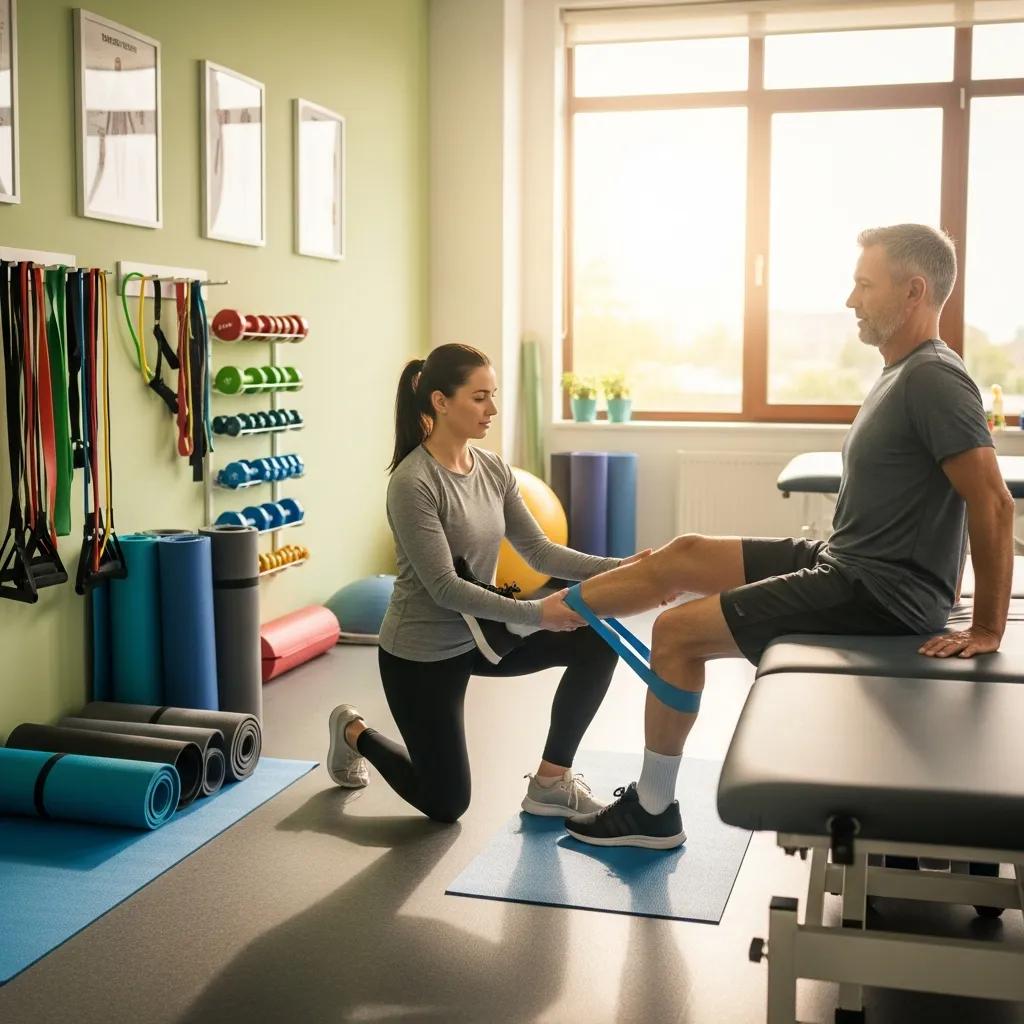
Physiotherapy is a key part of recovering well after knee replacement surgery. This guide walks you through when to start therapy, the most effective exercises, how pain is managed, and what a typical recovery timeline looks like. Whether you’re facing mobility challenges or trying to reduce post-op pain, understanding physiotherapy’s role gives you a clear roadmap to regain strength and return to daily life. We also point to local resources in the Greater Toronto Area so you can find the right support for your recovery.
When Should Physiotherapy Start After Knee Replacement Surgery?
Starting physiotherapy at the right time matters. Beginning too soon or waiting too long can slow progress or increase the risk of setbacks.
Understanding the Optimal Timing for Postoperative Knee Physiotherapy
Physiotherapy usually begins within 24 to 48 hours after surgery. Early treatment helps control swelling, boosts circulation, and gets the recovery process moving. The exact timing depends on your overall health, the complexity of the operation, and your surgeon’s guidance. Your care team will check pain levels and mobility to decide when you’re ready to begin.
How Early Physiotherapy Improves Recovery Outcomes and Reduces Complications
Evidence shows that starting physiotherapy early can speed recovery. Patients who begin therapy in the first few days after surgery typically report less pain and better range of motion. Early rehab also lowers the chance of complications like blood clots and joint stiffness. Many patients credit prompt physiotherapy with faster returns to activity and greater satisfaction with their results.
Strong research consistently shows that physiotherapy exercises improve function and reduce pain after knee replacement.
Benefits of Physiotherapy Exercises After Knee Replacement
Rehabilitation that emphasizes physiotherapy and exercise is widely recommended after total knee replacement. Patients who receive structured physiotherapy show better physical function at 3–4 months and improvements in pain. When looking only at higher-quality studies, benefits can be seen up to six months after surgery.
Effectiveness of physiotherapy exercise following total knee replacement: systematic review and meta-analysis, 2015
What Are the Best Rehabilitation Exercises After Knee Replacement?
Targeted exercises are essential for restoring knee mobility and rebuilding strength. The right program accelerates recovery and helps you get back to everyday activities.
Key Knee Replacement Rehabilitation Exercises to Restore Mobility
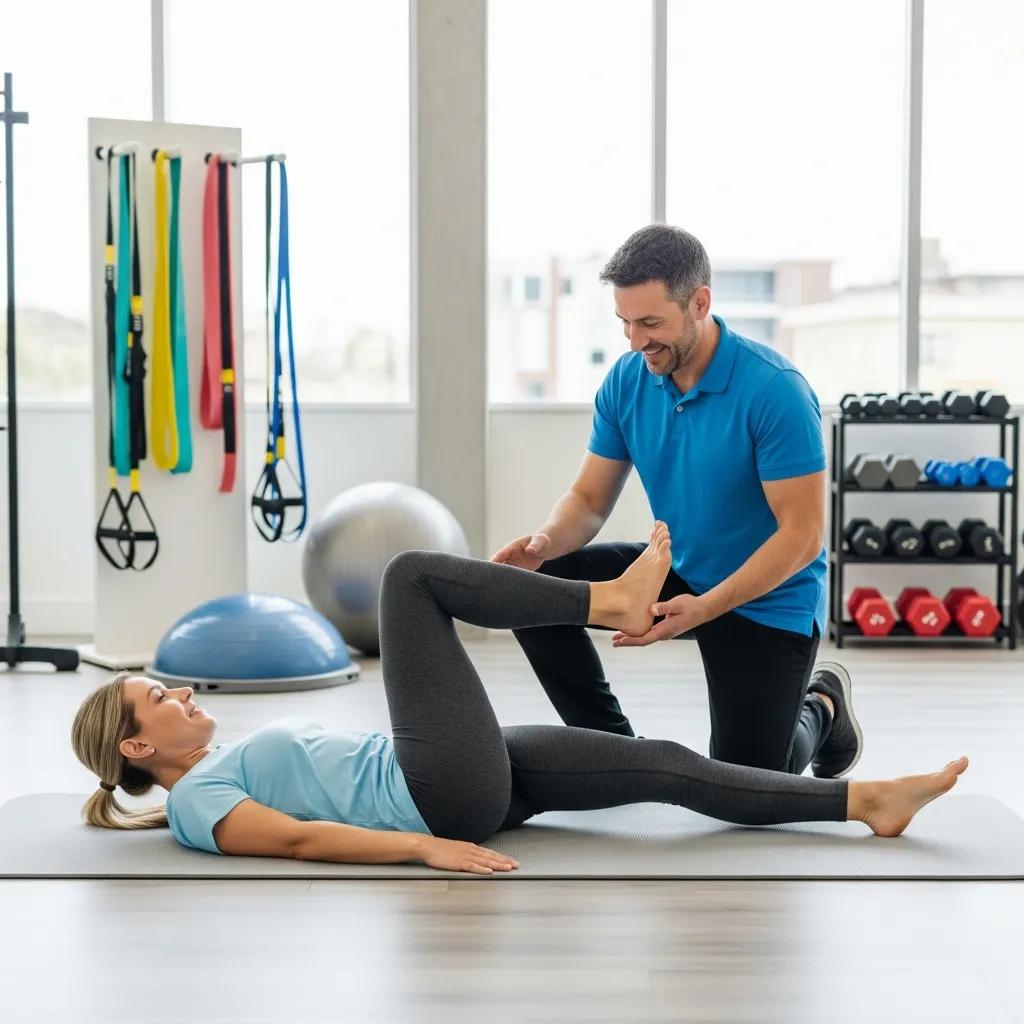
Common exercises prescribed after knee replacement include:
- Heel Slides: Lying on your back, slide the heel toward your buttocks to improve knee bending (flexion).
- Quadriceps Sets: Tighten the front thigh muscles while keeping the leg straight to build quad control.
- Straight Leg Raises: Lift the straight leg while lying down to strengthen the hip and knee-supporting muscles.
Do these movements under your physiotherapist’s supervision to ensure proper form and avoid strain.
Guidelines and reviews support a multi-modal, structured approach to post‑TKA rehabilitation.
Post-TKA Rehabilitation Guidelines & Modalities
Rehabilitation after total knee arthroplasty remains challenging for patients and providers. Reviews summarize a range of post-TKA modalities—exercise therapy, aquatic therapy, balance training, and continuous passive motion—offering evidence on their effectiveness and practical recommendations to improve strength and range of motion.
Rehabilitative guidelines after total knee arthroplasty: a review, 2016
How Strengthening Exercises Support Knee Replacement Recovery
Strength training rebuilds the muscles around your knee, which improves stability and function and lowers the risk of future injury. Common strengthening moves include:
- Leg Press: Builds quadriceps and hamstring strength using controlled resistance.
- Step-Ups: Improves balance and leg power by stepping onto a low platform.
- Wall Sits: Holds that target the quads and build endurance without high impact.
Progression and load should be guided by your therapist to match your healing stage.
How Long Does the Knee Replacement Recovery Timeline Typically Take?
Recovery times vary, but knowing the typical phases helps set realistic goals and track progress.
Phases of Recovery and Physiotherapy Goals After Knee Surgery
The recovery journey generally moves through several phases:
- Immediate Postoperative Phase (0-2 weeks): Focused on pain control, reducing swelling, and regaining basic mobility.
- Early Rehabilitation Phase (2-6 weeks): Emphasis on restoring range of motion and beginning strengthening work.
- Advanced Rehabilitation Phase (6-12 weeks): Increasing exercise intensity, working on functional tasks, and rebuilding endurance.
Each phase has clear physiotherapy goals that guide progression and help ensure a safe recovery.
What to Expect at Each Stage of Postoperative Rehabilitation
In the immediate phase, you’ll work on simple movements like standing and walking with support. During early rehab you’ll add structured exercises for flexibility and strength. By the advanced phase, most patients are progressing to more demanding activities—walking without help, climbing stairs, and returning to normal routines with improved confidence.
How Can Physiotherapy Help Manage Pain After Knee Replacement?
Managing pain is central to recovery, and physiotherapy offers several practical strategies to keep pain under control while you rebuild strength.
Role of Physiotherapy in Knee Replacement Pain Management
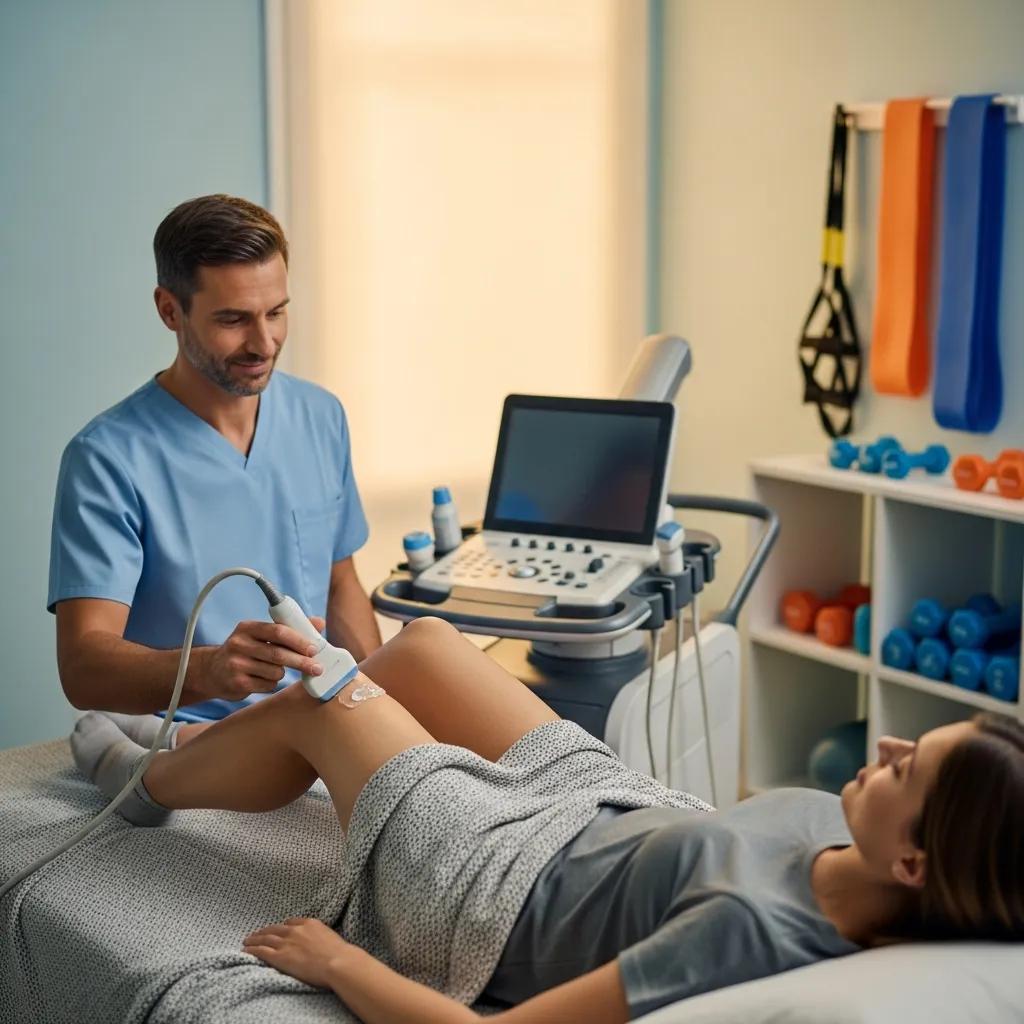
Physiotherapists use hands-on techniques, therapeutic modalities like ultrasound and electrical stimulation, and tailored exercise plans to reduce pain and restore function. They regularly reassess pain and adapt treatment so you can progress without excessive discomfort.
Complementary Therapies: Massage and Acupuncture for Pain Relief
Alongside traditional physiotherapy, complementary approaches—such as massage therapy and acupuncture—can help. Massage eases muscle tension and improves circulation, while acupuncture may activate natural pain-relief pathways. Many patients find these treatments improve comfort and support recovery when used alongside physiotherapy.
Where Can Patients Access the Best Physiotherapy Services for Knee Replacement in the Greater Toronto Area?
Having the right clinic and team makes a big difference. The Greater Toronto Area offers several options for post‑operative rehabilitation.
Overview of Focus Physiotherapy Clinics in Bolton, North York, and York
Focus Physiotherapy operates multiple clinics across the GTA, including locations in Bolton, North York, and York. The clinics provide individualized physiotherapy, massage therapy, and acupuncture delivered by experienced clinicians who tailor care to each patient’s recovery goals.
How OHIP Coverage Supports Affordable Knee Replacement Rehabilitation
Ontario Health Insurance Plan (OHIP) can help cover some physiotherapy services, making rehab more accessible. Eligibility and coverage details vary, so ask your clinic about OHIP options to understand what support is available during your recovery: OHIP coverage.
What Are Patient Success Stories and Outcomes After Knee Replacement Physiotherapy?
Real patient experiences and clinical studies both highlight the benefits of structured rehabilitation after knee replacement.
Real Patient Testimonials Highlighting Recovery Experiences
Many patients describe meaningful improvements in mobility and pain after following a physiotherapy program. Testimonials often stress the value of early therapy and the support provided by physiotherapists through each step of recovery—encouraging others facing similar procedures.
Clinical Evidence Supporting Physiotherapy Effectiveness in Knee Replacement Recovery
Research consistently supports physiotherapy’s role in better recovery outcomes. Studies show that patients in structured rehab programs typically recover faster, regain greater range of motion, and report higher satisfaction after surgery. This body of evidence reinforces physiotherapy as a vital part of the recovery plan.
A recent systematic review and meta-analysis confirms that physiotherapy improves short-term function, range of motion, and pain after total knee replacement.
Effectiveness of Physiotherapy for TKR Recovery
This review found that physiotherapy interventions were effective at improving physical function, range of motion, and pain in short-term follow-up after total knee replacement. The systematic review and meta-analysis evaluated the clinical effectiveness of post-operative physiotherapy interventions.
Clinical and cost-effectiveness of physiotherapy interventions following total knee replacement: a systematic review and meta-analysis, F Fatoye, 2021
Frequently Asked Questions
What should I expect during my first physiotherapy session after knee replacement?
Your first session will include a focused assessment—pain levels, range of motion, walking ability, and any concerns you have. Your physiotherapist will explain the plan, start gentle exercises, and teach pain‑management strategies. The aim is to build a safe foundation for your rehab.
How can I manage swelling after knee replacement surgery?
To manage swelling, elevate your leg above heart level when possible, use ice packs for 15–20 minutes several times daily, and follow gentle movement advice from your therapist. Compression and following activity guidelines also help. Report excessive swelling to your care team so they can adjust your plan.
Are there any risks associated with physiotherapy after knee replacement?
Physiotherapy is generally safe, but risks include increased pain or swelling if exercises are done too aggressively or incorrectly. Communicate any pain or unusual symptoms to your physiotherapist so they can modify exercises and keep your recovery on track.
How long will I need physiotherapy after my knee replacement?
Duration varies—many patients attend physiotherapy for several weeks to a few months. Early sessions are often more frequent, tapering as you regain strength and function. Your therapist will monitor progress and recommend when you can reduce visits.
Can I do physiotherapy exercises at home?
Yes. Your physiotherapist will give you a personalized home exercise program to practice between sessions. Consistency and correct form are key—doing these exercises at home greatly helps recovery when combined with clinic visits.
What should I do if I experience pain during physiotherapy exercises?
If an exercise causes pain, stop and tell your physiotherapist right away. Some discomfort is expected, but pain should not be severe. Your therapist will adjust the exercise, suggest alternatives, or change the pace so you can progress safely and comfortably.