
Cracking your joints—especially your knuckles—is a habit lots of people have. This page explains what’s happening inside your joints, what the research says about risks, and how physiotherapy can help keep your joints healthy. We’ll separate common myths from facts, explain the mechanics behind the sound, and offer practical steps if you want to reduce or manage cracking.
Why Do Joints Crack? Understanding Joint Cracking Causes
What people call crepitus—the cracking or popping noise—comes from a few different things: changes in pressure inside the joint, gas moving through the synovial fluid, or tendons and ligaments snapping over bone. Knuckles are the most familiar example, but similar sounds can come from the knees, ankles, neck, or back. In most cases the noise itself isn’t a sign of damage.
What Happens Inside the Joint When It Cracks?
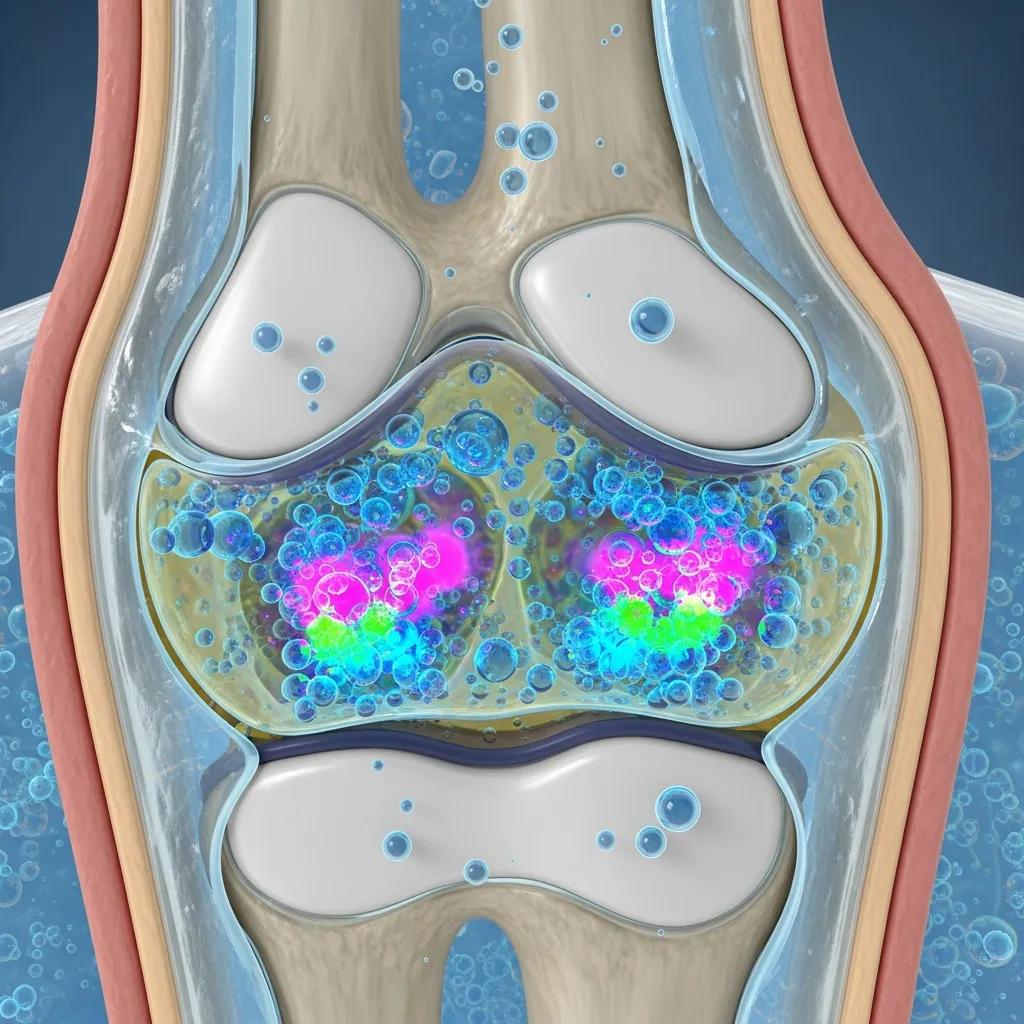
The common explanation is cavitation: when joint surfaces separate, pressure inside the joint drops and dissolved gases form a cavity that produces the popping sound. Synovial fluid is key here—it lubricates the joint and nourishes cartilage. For most people, an occasional pop is harmless and part of normal joint mechanics.
That said, newer imaging studies offer a more detailed view and have refined how scientists describe the cracking event.
Joint Cracking Mechanism: Cavity Formation, Not Bubble Collapse
Historically, joint cracks were blamed on the sudden collapse of a bubble in synovial fluid. Real-time MRI evidence suggests the sound is linked to the formation of a cavity as joint surfaces separate, rather than a bubble collapsing.
Real-time visualization of joint cavitation, J Fryer, 2015
Which Types of Joints Commonly Produce Cracking Sounds?
Cracking can come from many joints: fingers and knuckles are the most commonly noticed, but knees, ankles, the neck and lower back can also pop or click. How often it happens varies person to person. Usually it’s innocent, but if cracking is frequent and paired with pain or instability it may indicate an underlying issue worth checking out.
Is Knuckle Cracking Harmful? Debunking Myths and Facts
There are many myths about knuckle cracking—chief among them the belief that it causes arthritis. Let’s look at what the evidence actually says.
Can Cracking Your Knuckles Cause Arthritis?
Available research does not support a direct link between knuckle cracking and arthritis. One well-known example is Dr. Donald Unger, who cracked the knuckles of one hand for decades while leaving the other alone; he found no difference in arthritis between the two hands. Overall, studies suggest knuckle cracking by itself does not cause arthritis.
A clinical review reinforces that there’s no clear relationship between knuckle cracking and later arthritis:
Knuckle Cracking & Arthritis: No Apparent Link
In conclusion, there is no apparent relationship between knuckle cracking and the subsequent development of arthritis of the fingers.
Does knuckle cracking lead to arthritis of the fingers?, 1998
What Are the Potential Risks of Habitual Joint Cracking?
Occasional cracking is usually harmless, but habitual, forceful cracking over long periods may irritate soft tissues or lead to swelling in some people. If cracking comes with pain, reduced motion, or swelling, see a healthcare professional—those signs suggest something more than a harmless pop.
How Does Physiotherapy Help Maintain Joint Health and Manage Pain?
Physiotherapy helps by improving movement, strengthening the muscles that support joints, and teaching safe ways to move. Targeted exercises and hands-on techniques can reduce pain, restore function, and prevent future problems.
Focus Physiotherapy, a multi-location clinic in Ontario, offers evidence-based treatment plans tailored to each patient. Their approach focuses on recovery, mobility, and practical strategies you can use at home or work.
For accessible care, OHIP physiotherapy options are available to support eligible patients with treatment and rehabilitation.
What Are the Benefits of Controlled Joint Cracking?
When done gently and infrequently, some people notice short-term relief from stiffness after intentionally cracking a joint. That relief is usually temporary and relates to the immediate change in joint pressure or a brief sense of increased range of motion.
Can Joint Cracking Provide Temporary Pain Relief or Mobility Improvement?
Yes—many people report brief reductions in stiffness or a feeling of looseness after controlled cracking. But this is short-lived for most, and relying on cracking instead of exercises or treatment can delay better long-term strategies.
How Does Joint Cracking Affect Synovial Fluid and Joint Function?
Occasional cracking is unlikely to harm synovial fluid or joint function. Habitual, aggressive cracking could conceivably change the way tissues move together and may contribute to irritation in susceptible individuals. The safest approach is moderation and attention to any associated pain or swelling.
How Can You Stop or Reduce Unwanted Joint Cracking?
If you want to cut down on automatic or uncomfortable cracking, there are simple techniques and exercises that help reduce the urge and improve joint resilience.
If you’re in the Bolton area and would like professional advice, consider visiting the Focus Physiotherapy Bolton Clinic for assessment and a personalized plan.
What Techniques Help Prevent Habitual Joint Cracking?
- Mindfulness Practices: Notice when you’re about to crack and pause—awareness is the first step to breaking a habit.
- Stretching Exercises: Gentle, regular stretches can ease stiffness and reduce the urge to pop joints.
- Strengthening Exercises: Building the muscles around a joint improves stability and often decreases habitual cracking.
Which Exercises and Therapies Support Joint Stability and Health?
- Physiotherapy: A clinician can prescribe targeted movements and manual techniques to restore balance and function.
- Yoga and Pilates: These practices improve flexibility, posture and core strength—helpful for overall joint support.
- Strength Training: Controlled resistance work builds muscle support around joints and reduces strain during daily activities.
Understanding why joints crack and using practical strategies—stretching, strengthening, and professional advice when needed—helps you protect your joint health and stay active.

Frequently Asked Questions
Is there a safe way to crack your joints?
If you choose to crack a joint, do it gently and sparingly. Don’t force a pop—stop if it hurts. Controlled, infrequent cracking may give brief relief, but if you’re concerned or in pain, speak with a healthcare professional.
What should I do if my joints crack frequently and cause pain?
See a healthcare provider. Persistent cracking with pain can signal instability, inflammation, or another issue. A physiotherapist can assess your movement, identify causes, and recommend exercises or treatments to reduce pain and improve function.
Are there any lifestyle changes that can improve joint health?
Yes. A balanced diet rich in omega-3s, antioxidants and vitamins supports joint tissues. Regular low-impact exercise (swimming, cycling), weight management, and good hydration also reduce joint stress. Small, consistent habits make a big difference over time.
How can I differentiate between harmless joint cracking and a potential problem?
Harmless cracking is usually painless and occasional. Seek evaluation if cracking is accompanied by pain, swelling, limited movement, or a feeling that the joint is unstable. A professional assessment can rule out underlying conditions.
Can joint cracking be a sign of aging?
Cracking happens at any age. With aging, cartilage and synovial fluid change, which can increase joint noises. Occasional pops aren’t necessarily concerning, but new or painful symptoms deserve attention.
What role does hydration play in joint health?
Hydration matters. Synovial fluid contains water and helps lubricate joints—keeping well hydrated supports that function. Dehydration can make joints feel stiffer and less comfortable during movement.
Are there any specific exercises to avoid if I have joint issues?
Avoid high-impact activities that worsen pain, like running on hard surfaces or heavy, uncontrolled lifting. Focus instead on low-impact options—swimming, cycling, gentle strength work—and follow a program designed with a physiotherapist to match your needs.