
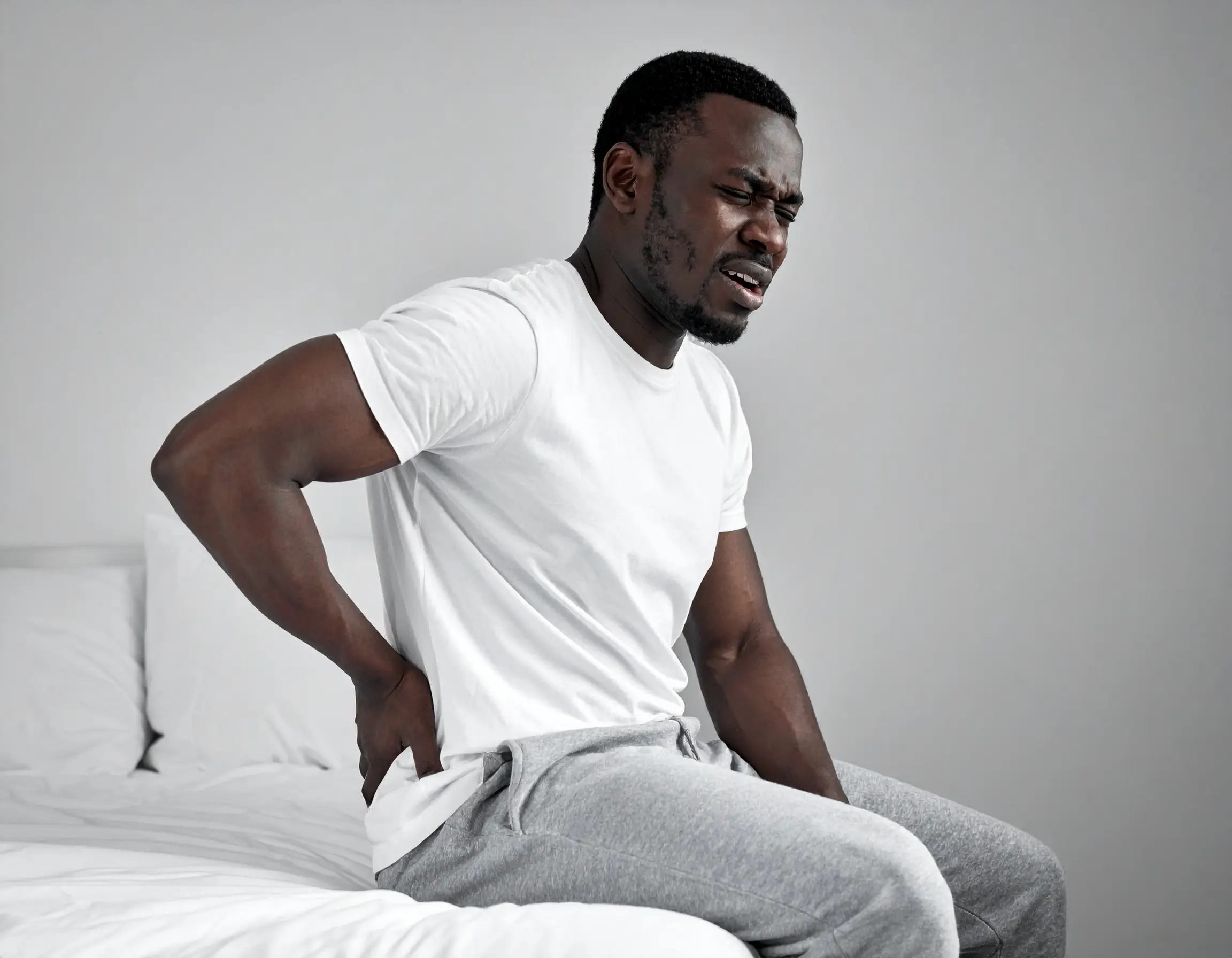
Pain in the lower back and hip area can sometimes feel very similar. The hip joint sits near the spine, and the nerve pathways overlap, so it’s easy to confuse one for the other. In fact, 80 – 90% of people experience significant back or hip pain at some point, making it a very common issue.
Determining the true source of your pain is important because the appropriate treatment for a hip problem can be quite different from that for a back problem. Below, we’ll explain how to spot key differences between hip-originating pain and back-originating pain, and what steps you can take for relief.
Signs Your Pain Is Coming From Your Hip
Hip problems often produce pain in specific areas and under certain conditions. Here are common signs that suggest the hip is the source of your pain:
- Pain in the groin or front of the thigh: Hip joint pain is frequently felt in the groin area or the front of the hip/thigh. As one specialist puts it, “Groin pain is a hip issue until proven otherwise.” Pain above the belt line, in contrast, is typically not caused by the hip. Hip pain may also radiate to the front of the thigh or even toward the knee in some cases, but usually does not go below the knee.
- Pain worsens with weight-bearing activities: Discomfort from hip conditions often increases when walking, standing, or other weight-bearing activities, and is relieved by rest. For example, hip arthritis tends to hurt more after you’ve been on your feet and may ease up when you sit down.
- Stiffness and limping: Hip issues can reduce your range of motion in the hip. You might notice stiffness, especially after sitting for a while, or difficulty getting up and moving until the joint “warms up.” Often the first few steps are painful until the joint loosens. You may even develop a limp when you walk because of pain in the hip.
- Pain in the buttocks or outer hip (in some cases): Certain hip conditions like bursitis can cause pain on the outside of the hip or in the buttock region. For instance, trochanteric bursitis causes tenderness on the outer side of the hip. However, buttock pain can be tricky – if it’s more toward the back of the buttock, it could be related to the lower spine (we’ll discuss that next).
In summary, pain focused in the groin/front thigh, especially if it gets worse with activity and limits your hip movement, points to a hip problem. Common hip-related causes include osteoarthritis (especially in older adults) and injuries like labral tears or hip impingement in younger, active people. These conditions primarily affect the hip joint and surrounding structures.
Signs Your Pain Is Coming From Your Back (Spine)
Pain originating from the lower spine (the lumbar region) often has a different pattern. Here are signs that suggest a back issue is to blame:
- Pain in the low back, buttock, or back of the hip: Lower back conditions typically cause pain in the back of your pelvis or buttocks, and possibly the low back itself. If your pain is mainly above the waistline or in the back pocket area of your pants (the buttock/outer hip), it’s more likely coming from the spine rather than the hip joint.
- Pain that radiates down the leg (sciatica): A telltale sign of a spine issue is pain that shoots down your leg, past the knee – this is often due to a pinched nerve in the back, such as from a herniated disc. This type of nerve pain is commonly called sciatica, which typically starts in the lower back or buttock and travels down the thigh, sometimes into the calf or foot. Sciatica often comes with numbness, tingling, or even weakness in the leg, which pure hip joint problems usually do not cause. If you feel pins-and-needles or burning sensation running down your leg, the spine is likely the source.
- Pain triggered by bending or sitting: Back pain is often aggravated by movements like bending forward, sitting, or driving for long periods. Herniated discs, for example, tend to feel worse when sitting and better when standing up or walking a bit. If you notice that leaning or bending makes the pain flare, that points toward a spinal issue. In contrast, someone with a hip joint problem might have more trouble with actions like getting out of a low car seat or putting on shoes due to hip movement, rather than simply bending the back.
- Neurological symptoms or reduced reflexes: Because spinal problems can pinch nerves, you might experience neurological signs. These include numbness or tingling (as mentioned), or even changes in reflexes and strength in the leg. For instance, a severely compressed nerve can cause foot drop or noticeable weakness. You might also feel your back is “out of alignment” or have muscle spasms in the low back.
In short, pain centered in the low back or buttock that travels down the leg, especially with tingling or shooting character, usually indicates a spine-related problem. Common culprits are herniated discs, spinal arthritis, spinal stenosis, or spondylolisthesis, which can irritate the sciatic nerve or other nerve roots in the lumbar spine. These differ from hip joint issues and need to be addressed accordingly.

Why Proper Diagnosis Matters
Because symptoms can overlap, it’s crucial to pin down the actual source of your pain. Treating the wrong problem can lead to delays in relief – or even make things worse. Here are a few reasons getting an accurate diagnosis is so important:
Targeted Treatment
Hip and back conditions are treated differently. For example, if your pain is actually from a pinched nerve in your spine, treatments like targeted spinal exercises or epidural injections might help, whereas those wouldn’t address a hip joint problem. Conversely, a hip arthritis problem might need hip-focused therapy or even a hip injection. Identifying the correct source allows your healthcare provider to tailor the treatment plan effectively.
Avoiding Unnecessary Treatments
A real-world example comes from an orthopedic specialist’s experience: A patient with severe outer hip pain went through hip X-rays, physical therapy, and even hip injections without relief. Eventually, an MRI of the lower back revealed that compressed nerves in the lumbar spine were causing the “hip” pain. After a minimally invasive spine surgery to free the nerves, the hip pain resolved immediately. This story illustrates how symptoms in the hip area can be misleading – and why a thorough evaluation of both hip and spine is sometimes needed if initial treatments aren’t helping.
Overlapping Issues
It’s possible to have both a hip and a lower back issue simultaneously (some doctors call this “hip-spine syndrome” or a “double whammy” of issues). As we age, it’s not uncommon to develop arthritis in both the spine and the hip. One condition can also lead to the other: for instance, limping from hip pain can put extra strain on your back; a bad back can alter your gait and stress the hips.
An expert evaluation will determine if one or both areas need attention. Sometimes, healthcare providers will address the most symptomatic area first, or use diagnostic tools to isolate the source (for example, a numbing injection into the hip joint – if it doesn’t relieve pain, the pain may actually be coming from the back).
Recognizing Red Flags
Certain red flag symptoms mean you should seek medical care immediately. If you experience loss of bowel or bladder control or severe weakness in the legs, it could indicate a serious spinal nerve compression and is an emergency. Also, if you have nighttime pain that doesn’t ease with rest, night sweats, unexplained weight loss, or a history of cancer, get evaluated promptly.
These could signal infection or other serious conditions unrelated to typical muscle or joint strain. Don’t ignore pain that is unrelenting, dramatically worsening, or associated with systemic symptoms like fever – when in doubt, get it checked out.
If you’re not sure whether it’s your hip or your back causing pain – or if your pain is severe, persistent (lasting more than a couple of weeks), or limiting your daily life – see a medical professional for an assessment. A doctor or physiotherapist will perform a thorough physical exam, testing your hip mobility and your spine.
They may ask you to move your leg in certain ways, bend your back, or do specific tests to reproduce the pain. If moving the hip doesn’t recreate your pain but bending your spine does, that points to a spinal source, and vice versa. In some cases, imaging like X-rays or an MRI is needed to visualize the joints and discs. Occasionally, a diagnostic injection or nerve test might be used to confirm the origin of the pain, but this is only if needed. Getting the right diagnosis is the first step toward effective relief.
Treatment Options and Self-Care Strategies
Once you know whether it’s your back or hip (or both) that’s responsible, you can focus on treating that issue. Conservative (non-surgical) treatments are usually tried first for both hip and low back pain, and they often bring significant relief. Here are some treatment approaches and self-care strategies:
Rest and activity modification
Initially, ease off any activities that clearly aggravate your pain. This doesn’t mean complete bed rest (especially for back pain – prolonged bed rest can actually worsen it), but rather a short period of relative rest to calm an acute flare-up. Avoid heavy lifting, high-impact exercise, or repetitive motions that hurt. As the pain improves, gradually return to normal activities.
Heat or ice therapy
Applying heat to a stiff hip or back can relax muscles and ease aches, while ice is useful if there’s any swelling or sharp pain, especially after activity. For example, using a warm compress on tight back muscles, or an ice pack on a sore hip after a long walk, can provide temporary relief.
Medications for pain relief
Over-the-counter anti-inflammatory medications (like ibuprofen or naproxen) or acetaminophen can help reduce pain and inflammation in both the hip and back. Always use medications as directed and check with your doctor or pharmacist if you have any health conditions that might make these unsafe. Topical pain-relief creams or patches (containing menthol, capsaicin, or lidocaine) are another option for localized pain relief.
Physiotherapy (Physical Therapy)
Physical therapy is often the cornerstone of treatment for both hip and back pain. A physiotherapist can assess your specific condition and guide you through exercises to strengthen the muscles that support your spine or hip. For hip issues, therapy often focuses on improving hip range of motion and strengthening the gluteal, hip, and core muscles that take pressure off the joint.
For back issues, therapy may include core strengthening, stretching, and teaching you proper posture and body mechanics to relieve stress on the spine. In many cases, a tailored exercise program will significantly reduce pain and improve your mobility over time.
At Focus Physiotherapy, our physiotherapists specialize in creating individualized rehab programs to address the root cause of your pain, whether it stems from the hip or the back. We also use techniques like manual therapy, education on movement strategies, and modalities (e.g. TENS, ultrasound) as needed to facilitate healing.
Lifestyle modifications
Several lifestyle changes can aid in recovery and prevent future pain. Weight management is a big one – if you are carrying extra weight, it puts added stress on both your hip joints and your lower spine. Losing even a moderate amount can often reduce pain significantly. Regular low-impact exercise is beneficial for both the back and hips; activities like walking, swimming, or cycling help keep joints and muscles in shape without pounding your body.
Focus on building a strong core (abs and back muscles) and hip muscles, as this provides better support for your spine and pelvis. Also, pay attention to posture – whether sitting at a desk or lifting objects, using proper form will minimize unnecessary strain on your back. Your physiotherapist can advise you on ergonomic adjustments and safe movement techniques.
Injections or advanced treatments
If conservative measures aren’t sufficient, there are other options depending on the diagnosis. For example, a doctor might recommend a corticosteroid injection into a painful hip joint or around an irritated spinal nerve to reduce inflammation and provide relief. In more persistent cases of hip arthritis or severe disc herniation, surgical options may be considered.
Hip surgeries can range from hip arthroscopy for labral tears to total hip replacement for advanced arthritis. Spine surgeries might include minimally invasive procedures to remove a disc herniation or relieve spinal stenosis.
Surgery is generally a last resort, only pursued if necessary, but the good news is that many modern procedures are far less invasive than in the past. Most patients do not require surgery – they improve with the non-surgical treatments above – but it’s reassuring to know there are solutions for tough cases if needed.
Throughout your recovery, listen to your body and communicate with your healthcare providers. Pain is your guide – if an activity consistently worsens your pain, avoid it (at least temporarily), and focus on the therapeutic exercises and strategies that help you improve.
Preventing Future Back or Hip Pain
While not every cause of hip or back pain is preventable, you can certainly reduce your risk of future problems by taking good care of these areas. Here are some prevention tips:
Stay active and exercise regularly
Routine exercise keeps the muscles that support your back and hips strong and flexible. Incorporate core strengthening (for your abs and back) and hip strengthening exercises into your workouts. Activities like yoga or Pilates can also improve flexibility and posture, helping prevent pain.
Maintain a healthy weight
Extra weight increases the load on both the spinal discs and the hip joints. By keeping your weight in a healthy range, you relieve stress on these structures, which can prevent wear-and-tear injuries and pain flare-ups.
Practice good posture and body mechanics
Be mindful of your posture when sitting or standing. If you have a desk job, ensure your workstation is ergonomically set up (for example, your computer monitor at eye level, feet flat on the floor, and lower back supported) to avoid straining your back. When lifting objects, lift with your legs (knees bent) rather than your back, and avoid twisting while carrying heavy items. Small habits like these protect your spine and hips over time.
Stretch regularly
Especially if you sit for long periods, take time to stretch your hip flexors, hamstrings, and lower back muscles. Prolonged sitting can make the hip and back muscles tight. Regular stretching keeps them flexible and can ward off stiffness and imbalance. Even just standing up and moving around every hour can help.
Don’t ignore early signs
If you occasionally feel a twinge in your hip or a bit of back ache, pay attention. It’s easier to address a minor issue before it becomes severe. Doing some gentle stretches or strengthening when you first notice mild pain can prevent a small problem from turning into a big one. And if you ever experience a repeat of past pain, using the exercises or techniques you learned in therapy can often nip it in the bud.
By following these guidelines, you’ll give yourself the best chance at keeping both your back and hips healthy and pain-free.
Conclusion: Know When to Get Help
Differentiating between hip and back pain isn’t always straightforward, but by noting where the pain is located, what activities affect it, and whether there are nerve symptoms, you can get important clues. Remember, pain in the groin/front of the thigh is usually a hip issue, while pain in the back/buttock that radiates down the leg is usually a back issue. If you’re still uncertain, don’t hesitate to seek a professional evaluation – a proper diagnosis is key to effective treatment.
Most importantly, you don’t have to live with severe or persistent pain. Focus Physiotherapy is here to help you figure out the source of your discomfort and create a personalized treatment plan to get you moving comfortably again.
Our experienced physiotherapists treat both hip and lower back conditions regularly, using evidence-based techniques to reduce pain, improve mobility, and strengthen your body to prevent future issues. Whether your pain is coming from your back, your hip, or a bit of both, we’ll guide you step by step on the path to relief and recovery.
If your pain has been bothering you for more than a couple of weeks, or it’s getting in the way of your daily activities, consider booking an assessment with Focus Physiotherapy. We’ll help pinpoint the cause of your pain and get you on the right track to feeling better. With the right approach, you can find relief and get back to doing the things you love, free from nagging pain.