
Cracked pelvis is the common term for a pelvic fracture – a break in one or more of the bones that make up the pelvic ring. In older adults, a cracked pelvis is a serious injury that can dramatically affect mobility and quality of life. Elderly individuals often suffer pelvic fractures from minor falls, due to age-related bone weakening (osteoporosis), whereas in younger people it usually takes major trauma like a car accident. This article will explain what a cracked pelvis is, why it occurs frequently in the elderly, the symptoms and treatment options, and how physiotherapy plays a critical role in recovery. We will also cover expected recovery times, potential complications, and tips for prevention.
What is a Cracked Pelvis?
An X-ray showing a pelvic fracture (red arrows) through the pubic rami in an elderly patient. The white structures on both sides are artificial hip replacements.
A cracked pelvis refers to any fracture (break) in the bony pelvis. The pelvis is a ring-like structure composed of the sacrum (tailbone at the base of spine) and two hip bones (each made of the ilium, ischium, and pubis). These bones form a sturdy bowl that supports the upper body’s weight and protects internal organs like the bladder and bowel. Pelvic fractures are uncommon overall, comprising only about 3% of adult bone fractures. However, they become more common with age – about 37 out of 100,000 people per year in the general population experience pelvic fractures, rising to 92 per 100,000 in people over 65. In seniors, the pelvic bones tend to be weaker (often from osteoporosis), so even a low-impact incident can crack the pelvis.
Not all pelvic fractures are the same. Doctors classify them as stable vs. unstable fractures. A stable fracture means only one part of the pelvic ring is broken and the bones remain aligned – these are more common in the elderly after a simple fall. An unstable fracture involves multiple breaks or a disrupted pelvic ring; the broken bones are displaced (out of alignment) and the injury is often caused by high-energy trauma (like a car crash).
In an elderly patient, a “cracked pelvis” usually refers to a stable, low-impact fracture (for example, a pubic ramus crack from a ground-level fall), whereas younger trauma victims may suffer unstable fractures. The severity can range widely – the pelvis might “just crack slightly” or break into many pieces depending on bone quality and injury force. Even a minor crack is painful and warrants medical attention because of the pelvis’s crucial role in movement and organ protection.
Why Pelvic Fractures Occur in the Elderly
Elderly people are especially vulnerable to pelvic fractures for several reasons. A primary factor is osteoporosis, the loss of bone density that comes with age (especially in postmenopausal women and men over 70). Osteoporotic bones are brittle and can break with minimal force. In fact, around 94% of pelvic fractures in adults over 60 are linked to osteoporosis. This means many seniors who sustain a cracked pelvis did not experience a high-speed accident – simple falls from standing height can be enough to cause a fracture in weakened bone. In contrast, most pelvic fractures in younger people result from major trauma.
Another contributor is the higher incidence of falls in older adults due to balance issues, muscle weakness, medications causing dizziness, or environmental hazards. Two-thirds of pelvic fractures in older patients are caused by low-energy falls in the home, often with no other significant trauma. These are sometimes called fragility fractures or insufficiency fractures – essentially, the bone “fails” under normal stress because it’s fragile.
Commonly, an elder might slip in the bathroom or trip over a rug and land on their hip, resulting in cracks in the pubic bone or sacrum. The pubic rami (the pubic bones in the front of the pelvis) and the sacral ala (upper part of the sacrum) are typical sites for these low-impact fractures. Fortunately, such fractures often do not completely disrupt the pelvic ring’s stability and can be managed without surgery (more on treatment below).
By contrast, high-impact pelvic fractures (from car accidents or falls from a height) are less common in seniors – partly because many older adults are less likely to engage in high-speed activities, and unfortunately because some may not survive those severe traumas. When high-impact injuries do occur in an elderly person, they tend to cause complex unstable fractures (e.g. multiple breaks including the acetabulum or an “open-book” pelvic separation) and often involve other injuries like head or abdominal trauma. These cases are medical emergencies with significant bleeding risk. However, the majority of pelvic fractures in the elderly are stable, low-impact injuries that are amenable to non-operative treatment.
Other risk factors that increase an older person’s likelihood of a pelvic fracture include: having a prior history of falls, and having other bone-weakening conditions or treatments (for example, long-term corticosteroid use or certain cancers that metastasize to bone). It’s worth noting that pelvic fractures account for about 7% of all osteoporosis-related fractures in people over 50 – a significant portion, given how common osteoporosis fractures are (hip, spine, wrist, etc.). This highlights that preventing and treating osteoporosis is critical in reducing pelvic fracture risk in the elderly.
Signs and Symptoms of a Cracked Pelvis
A fractured pelvis usually causes immediate and significant pain. Key symptoms to watch for include:
- Pelvic, hip, or groin pain – often severe and worsened by movement. Pain may also be felt in the lower back or buttock area.
- Difficulty walking or standing – an elderly person with a cracked pelvis will typically be unable to bear weight on the affected side without intense pain. They may have an abnormal gait or be unable to walk at all.
- Pain with any leg movement – even shifting position in bed, lifting the leg, or turning the hip can exacerbate pelvic pain.
- Tenderness, bruising, or swelling over the pelvic bones – bruising in the groin or hip area can appear due to internal bleeding from bone edges (though in some cases, external bruising is minimal).
- Numbness or tingling in the groin or legs – this can occur if nerves running through the pelvis (such as the femoral or obturator nerves) are irritated or if there’s swelling pressing on nerves.
- Difficulty urinating or pain in the lower abdomen – a pelvic fracture can sometimes injure the bladder or urethra or cause urinary retention. Any blood in the urine after a fall is a red flag for possible pelvic injury.
- Inability to sit or put weight on one side – patients often cannot sit upright comfortably; they may need to lie flat.
In an elderly person who falls and complains of groin/hip pain or can’t stand up, a pelvic fracture must be considered (alongside the more common hip fracture). It’s vital to get a proper diagnosis rather than assuming it’s “just a bruise.” Pelvic fractures can be easily missed on initial examination, especially if the person has other medical issues or cognitive impairment. Any suspicion of a cracked pelvis should prompt immediate medical evaluation.
Besides these symptoms, one must be mindful of potential complications because the pelvis encases major blood vessels and organs. In high-energy fractures, sharp bone fragments can cause internal bleeding or organ damage (for instance, puncturing the bladder or blood vessels). Even with a stable fracture, extreme pain and immobility can lead to dangerous complications in the elderly. Some serious issues that can arise during recovery include:
- Blood clots (deep vein thrombosis) in the legs due to prolonged bed rest and reduced mobility. These clots can travel to the lungs (pulmonary embolism) if not prevented.
- Lung infections like pneumonia, from lying in bed and shallow breathing (especially if pain limits deep breaths).
- Muscle atrophy and weakness – rapid deconditioning can occur if an older person remains immobile for too long. This can hinder rehabilitation.
- Pressure sores on the skin from prolonged bed rest.
- Urinary tract infections if a catheter is needed (common in pelvic fracture patients who have difficulty using the toilet).
- Further loss of bone density (osteopenia) due to inactivity, increasing risk of another fracture.
It’s sobering that pelvic fractures in the elderly can carry a notable mortality risk. One study noted that older adults with pelvic fractures have an increased risk of long-term physical impairment and mortality compared to younger patients. In fact, outcomes are similar to hip fractures: roughly 20-25% of seniors may not survive within a year of a major hip or pelvic fracture, largely due to the above complications and their overall frailty. This is why timely, effective treatment and mobilization are so important.
Bottom line: if an elderly person might have a cracked pelvis, treat it as an emergency. Do not move them unnecessarily (to avoid aggravating any displacement) and call for medical help. As the Cleveland Clinic advises, get help right away because the pelvis protects vital organs and vessels – doctors will want to check for any internal injuries as well.
Diagnosis of Pelvic Fractures
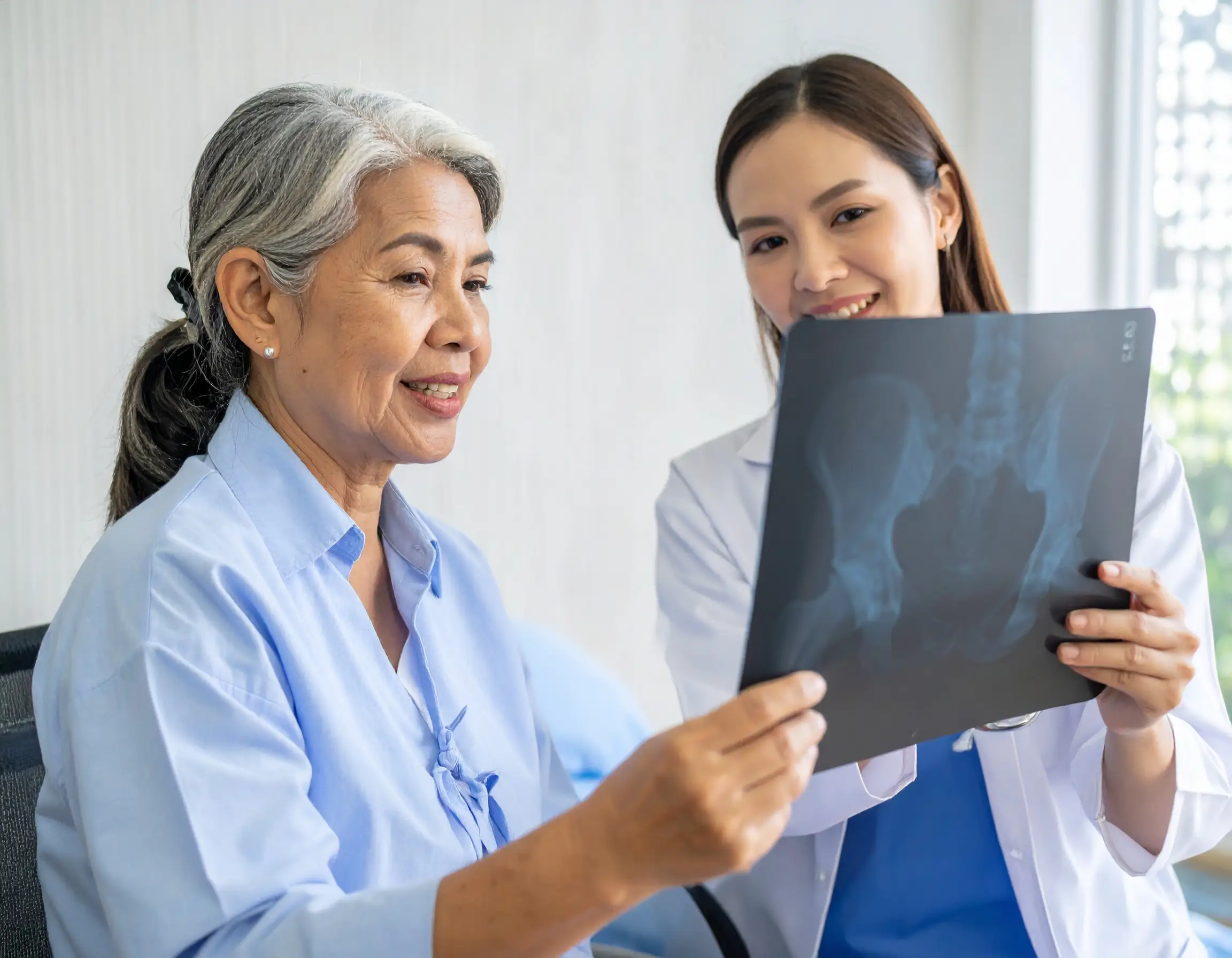
To diagnose a pelvic fracture, doctors will use a combination of physical examination and imaging tests. On exam, there may be deformity or tenderness in the pelvic region, and movements like gentle compression of the hips can elicit pain. However, imaging is essential to confirm the diagnosis and map out the fracture:
- X-Rays: An X-ray of the pelvis is the first step and will usually reveal most pelvic fractures. Typically, multiple X-ray views (front, inlet, outlet views of the pelvis) are taken to see the fracture pattern. In many cases, the X-ray clearly shows a crack or break in the pelvic ring and indicates whether the fracture is stable (single break) or unstable (multiple breaks or widening of the joints).
- CT Scan (Computed Tomography): A CT scan provides a more detailed, 3D picture of the pelvis and is often done for a more accurate assessment. CT scans help surgeons plan treatment, especially if surgery might be needed, by showing the exact locations and complexity of fractures. CT is very good at detecting fractures in complex areas like the acetabulum (hip socket).
- MRI (Magnetic Resonance Imaging): MRI is not routinely needed for all pelvic fractures, but it has a special role in fragility fractures. In elderly patients with persistent pelvic pain but normal X-rays or CT scans, doctors may order an MRI to look for an occult fracture. Sometimes a hairline insufficiency fracture (especially in the sacrum or pubic bone) won’t show up well on X-ray initially. MRI is very sensitive to bone stress injuries and can confirm a diagnosis of a small crack in osteoporotic bone that other scans missed. MRI can also evaluate soft tissues and detect any injuries to organs or blood vessels if those are suspected.
Additionally, if a high-impact injury is involved, the trauma team will perform ultrasounds or other scans to check for internal bleeding (for example, internal hemorrhage in the abdomen). But for a typical low-impact pelvic crack in an older person, X-ray (and possibly CT) is usually sufficient for diagnosis and guiding treatment decisions.
Treatment Options for a Cracked Pelvis
Treatment of a pelvic fracture in an elderly patient is tailored to the severity and stability of the fracture, as well as the patient’s overall health. The approach generally falls into two categories: non-surgical (conservative) management and surgical intervention. Doctors will consider factors like whether the fracture is stable or displaced, the level of pain, and the patient’s ability to move, to decide the best course. In older adults, there is often a preference to avoid surgery if possible, because surgery carries higher risks with age. Fortunately, many pelvic cracks in seniors are stable and can heal without an operation. Let’s break down the typical treatments:
Conservative (Nonsurgical) Treatment
For stable pelvic fractures (non-displaced cracks where the pelvic ring remains intact), nonsurgical management is usually recommended. Key components of conservative treatment include:
Rest and Activity Modification
Initially, the patient will need to rest in bed or in a comfortable position to avoid putting weight through the pelvis. The acute pain phase often requires a short period of bed rest, but complete immobility is dangerous. As soon as it’s safely possible, gradual mobilization is encouraged. The patient may start by sitting up, then standing with support, and eventually taking a few steps with a walker.
The goal is to balance protection with early movement: too much bed rest can lead to muscle wasting and clots, whereas too much strain can displace the fracture. Typically, doctors advise protected weight-bearing for about 6 – 12 weeks for pelvic fractures. This means the person might not be allowed to put full weight on the legs for a couple of months. They will use walking aids such as crutches, a walker, or even a wheelchair to get around without stressing the pelvis. For example, an older patient may be toe-touch weight-bearing only on the injured side until X-rays show the fracture is healing. As healing progresses, weight-bearing is increased.
Pain Management
Pain control is crucial so that the patient can breathe deeply, move, and participate in therapy. Doctors often prescribe analgesics (pain relievers) like acetaminophen or short-term opioids in the early stages. NSAIDs (like ibuprofen) might be used carefully or sometimes avoided because, while they reduce pain, some evidence suggests they could potentially slow bone healing.
Adequate pain control allows the patient to do gentle exercises and prevents the cycle of pain and immobility. In some cases, nerve block injections or epidural pain pumps are used if pain is severe. It’s a balancing act – enough pain relief to mobilize, but avoiding heavy sedation or drug side effects that could cause confusion in an elderly patient.
Blood Thinners
Because of the high risk of blood clots after a pelvic fracture, it’s standard to give a blood thinner (anticoagulant) for a few weeks. This might be an injection (like heparin or enoxaparin) or pill (like a low-dose novel anticoagulant) to prevent deep vein thrombosis. The duration may be around 2 – 6 weeks of prophylaxis, depending on mobility status.
Osteoporosis Treatment
Since osteoporosis is often the underlying cause, doctors will also ensure the patient’s bone health is addressed. They may start osteoporosis medications (such as bisphosphonates or newer drugs) to strengthen bone and reduce the risk of future fractures. The purpose is not only to help heal the current fracture but especially to prevent another potentially worse fracture down the line.
Close Monitoring
The medical team will monitor the fracture healing with periodic follow-up X-rays. They also watch for any signs of the fracture shifting. As long as the bones stay aligned, no surgery is needed. If a fracture was to displace during the healing period (due to another fall or inadequate protection), surgical fixation might then become necessary. So compliance with weight-bearing restrictions is very important – patients are cautioned not to “test” the injury by walking too soon. It’s noted that one bad fall or premature weight-bearing could destabilize a previously stable fracture and prompt surgical need.
Physiotherapy and Mobilization
(This will be detailed in the next section on rehab.) In short, physical therapists will work with the patient even in the early phase to maintain range of motion in unaffected joints, start gentle exercises, and then progressively help the patient regain standing and walking ability as tolerated.
Conservative treatment can be quite effective. Most low-impact pelvic fractures heal in about 8 to 12 weeks with this approach. Some elderly patients, especially if the fracture is in a particularly slow-healing area (like the sacrum), may take up to 3 or 4 months for full bone healing. The emphasis is on patience and allowing nature to mend the bone, while preventing complications through mobilization and therapy. It’s encouraging that most minor pelvic fractures do not require surgery and can be managed with careful, conservative care.
Surgical Treatment
If the pelvic fracture is unstable or significantly displaced, or if it involves critical areas like the acetabulum (hip socket), surgical intervention is usually required. The goal of surgery is to realign the bones (achieve proper anatomical position) and stabilize the pelvis so it can heal correctly. Surgery is more common in high-energy pelvic injuries, but even some low-impact fractures in the elderly might need surgery if the fracture pattern compromises the stability of the pelvic ring or if there’s ongoing pain due to slight displacement. Here are the common surgical approaches:
External Fixation
In some cases, especially emergency stabilization, surgeons use an external fixator frame. This involves inserting metal pins or screws into the pelvic bones from the outside and attaching them to a rigid frame or bar outside the body. It effectively holds the pelvis in a fixed position, like a scaffold, allowing the bones to heal in the correct alignment. External fixators are often temporary or used when a patient is too unstable for a long surgery; they stabilize the pelvis and control bleeding.
Internal Fixation (Open Reduction and Internal Fixation – ORIF)
This is a definitive surgical repair for many pelvic fractures. The surgeon makes incisions to access the broken bones, then uses plates and screws to secure the fracture fragments together. For example, a pubic bone fracture might be fixed with a plate and screws across it, or a sacral fracture fixed with screws across the sacroiliac joint. ORIF is tailored to the fracture pattern – there are multiple techniques depending on whether the front (anterior) or back (posterior) of the pelvis is involved. The hardware holds everything in place like an internal cast.
Skeletal Traction
Traction is an older method but sometimes used in conjunction with other fixes. It involves placing a pin in a nearby bone (such as the femur) and using weights and pulleys to apply a gentle pulling force to keep the bones aligned. Traction can be used before surgery (to maintain alignment while waiting) or even as a treatment for certain fractures if surgery is not an option. However, traction alone for pelvic fractures in the elderly is less common today, since prolonged bed traction can cause complications.
In the elderly, the decision for surgery is weighed carefully. Surgery can stabilize the pelvis and allow earlier mobility, but it comes with risks like infection, bleeding, or complications from anesthesia – which increase with age. Doctors will assess the patient’s overall health, other injuries, and ability to tolerate surgery. In practice, if a senior has an unstable pelvic fracture that makes the pelvic ring loose, or if there is a fracture that could heal wrong and impair function (like a displaced acetabular fracture affecting the hip joint), surgery is indicated once the patient is medically stable enough. Often, the surgical fixation is done within the first week after injury (sometimes even within 1-2 days), unless other injuries or medical issues necessitate delay.
After surgical repair, the patient usually stays in the hospital for several days. They will typically not be allowed to bear weight for around 6 to 10 weeks post-op, to protect the surgical repair. During this time, physiotherapists will teach them how to use crutches or a walker without putting weight on the pelvis. Once X-rays confirm healing progress, weight-bearing is gradually increased.
Whether managed conservatively or with surgery, rehabilitation is essential, which we discuss next.

Rehabilitation and Physiotherapy for Pelvic Fracture Recovery
Physiotherapy is a cornerstone of recovery for an elderly person with a cracked pelvis. In fact, physical therapy can help a fracture heal more quickly than immobilization alone – exercise increases blood flow, bringing oxygen and nutrients that aid bone healing. The dual goals of rehab are to promote healing and restore the person’s mobility and function to the fullest extent possible. A tailored physiotherapy program will significantly improve outcomes, helping the patient regain independence in daily activities.
Here’s how physiotherapy contributes at each stage of recovery:
Early Stage (Acute Phase)
In the first days to weeks, the physiotherapist focuses on preventing complications and maintaining whatever mobility is safe. Even if the patient is largely bed-bound, the therapist will guide them through gentle range-of-motion exercises for joints that are not injured – for example, ankle pumps to keep blood flowing in the legs, gentle knee bends (if allowed), and arm exercises. They will also teach deep breathing exercises to keep the lungs clear, and strategies to move in bed or transfer to a chair with minimal pain (using log-rolling techniques, etc.).
Sitting upright is encouraged as soon as tolerable, because upright posture helps expand the lungs and introduces some weight through the spine and pelvis. With a stable pelvic fracture, a therapist may help the patient stand with a walker within a few days, even if just for a short duration with most weight on the uninjured side. This early mobilization is crucial – studies show lack of mobility causes the most severe side effects in elderly fracture patients, like muscle loss and clots. By moving early (under guidance), the patient can avoid many pitfalls of prolonged bed rest.
Assistive Devices and Gait Training
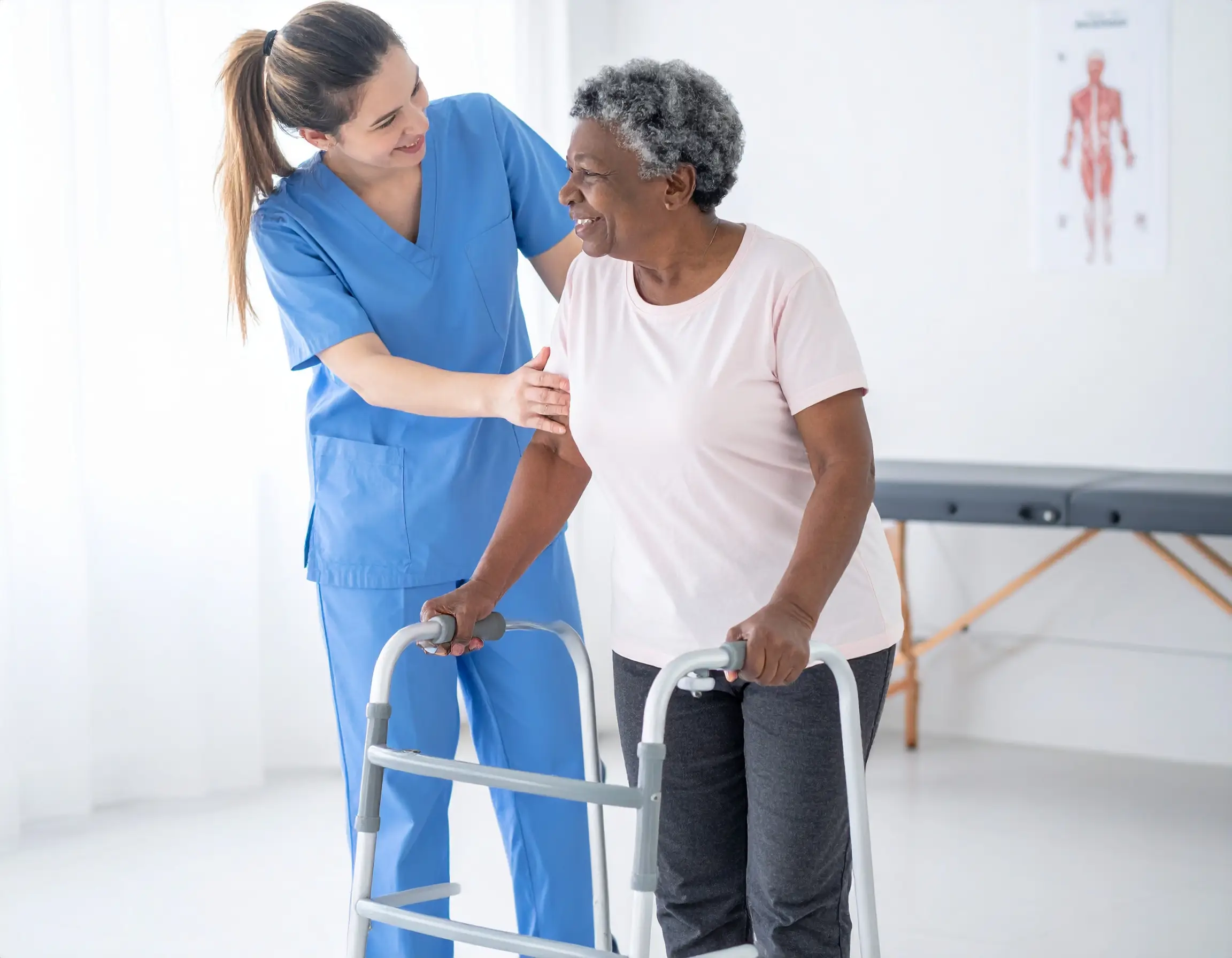
The physiotherapist will assess what mobility aids are appropriate – commonly a walker (rollator) or crutches for a pelvic fracture. Walkers are often preferred for elderly patients as they provide a broad base of support and help with balance. The therapist will train the patient how to use the walker or crutches correctly, how to avoid putting full weight on the injured side if that’s the restriction, and how to perform basic motions like standing up, sitting down, and navigating to the bathroom safely. They’ll also address using devices like a raised toilet seat or shower chair, since bending at the hip might be painful initially.
A rollator walker is a common mobility aid used by seniors during rehabilitation. Walking aids like canes or walkers help prevent falls and allow safe exercise while the pelvic fracture heals.
Strength and Flexibility Exercises
As pain improves and healing progresses (usually a few weeks in), more active rehab exercises are introduced. The focus is on restoring strength in the core and lower extremities, and improving hip mobility which might have been lost during the injury and immobilization period. Common exercises in pelvic fracture rehab include: gentle hip and knee range of motion (like sliding the heel on the bed), isometric exercises (tightening muscles without moving the joint, e.g. squeezing the glutes or thigh muscles), and core stabilization exercises.
One example described in a physical therapy context is the “quadruped rocking” exercise, which involves getting on hands-and-knees and gently rocking forward and back to improve pelvic and core mobility. Of course, not every elderly person can get on the floor for that exercise, but the principle is to engage the core muscles and pelvic motions in a safe way. The therapist will also work on balance training once the patient can stand – this is critical to reduce the risk of falls. Simple balance exercises (holding onto a counter, shifting weight side to side, etc.) and eventually supervised walking practice are done.
Weight-Bearing Progression
Under the physiotherapist’s guidance, the patient will gradually increase the amount of weight they put through the legs at the timeline given by the doctor. For a stable fracture treated without surgery, weight-bearing as tolerated (to pain) might be allowed early on – in that case the therapist helps the patient listen to pain cues and use the walker for support. For post-surgery or more severe fractures, often the patient is limited to partial or toe-touch weight for 6 – 8 weeks.
The therapist will then schedule weight-bearing progression tests around that time – often a follow-up X-ray at ~8 weeks shows some healing, and the doctor might say “okay to start weight-bearing as tolerated.” The therapist then assists the patient in gradually shifting more weight to the injured side, essentially reteaching normal walking. They will also retrain gait mechanics, because after weeks of hobbling or using a walker, people develop compensatory patterns. Proper gait training helps prevent long-term limps or misuse of muscles.
Functional Training
Rehabilitation is not just about exercises in the clinic – it extends to functional tasks. The physiotherapist will work on things like stair climbing (if the person’s home has stairs), getting in and out of a car, and building endurance for walking longer distances. Occupational therapists might be involved too, helping with adaptive techniques for bathing, dressing, and using the toilet while in recovery. The end goal is that the person can return to as much independence as possible: whether that’s simply walking around the house safely with a cane, or resuming community activities.
Duration of Rehab
Every patient’s recovery is different, but in general, by about 3 months post-fracture many elderly patients can walk unaided or with a cane if the fracture healed well. Physical therapy may continue beyond that if needed for improving strength and balance. Some patients take up to 6 months or more to fully rebuild their pre-injury function, especially if they were very frail or if they had complications. In cases of very severe fractures, recovery can extend to a year for maximum improvement. The therapist and doctor will customize the length of rehabilitation based on progress – it’s not “one size fits all.”
Importantly, physiotherapists also provide education: they teach the patient (and family) how to move safely, how to use a walker or cane correctly, and they give tips to avoid future falls. They might perform home assessments or give input on making the home environment safer for discharge. Given that pelvic fractures can significantly reduce an elder’s confidence, part of rehab is psychological support – encouraging them that with practice and therapy, they can regain mobility and reduce fear of walking again.
At Focus Physiotherapy, for instance, our team of registered physiotherapists would develop a personalized rehab plan for a senior with a pelvic fracture. This includes one-on-one guided exercises, pain-relieving treatments (like heat, gentle massage or TENS for pain as appropriate), and the use of specialized equipment such as parallel bars or an anti-gravity treadmill (which can allow walking practice with reduced weight on the body).
We also understand the challenges of getting to a clinic when you “can’t walk” – our clinic offers in-home physiotherapy visits, which can be a game-changer in the early phase when travel is difficult. With professional physiotherapy support, even those with serious pelvic injuries can often surprise themselves with how much function they regain over time.
Recovery Time and Outlook
The healing timeline for a cracked pelvis in an elderly person can vary widely based on the fracture’s severity and the individual’s health. Generally speaking:
Bone Healing
Most uncomplicated pelvic fractures show good bone healing in 8 to 12 weeks (2.5 to 3 months). This is when X-rays typically confirm that the fracture lines have fused enough to bear normal loads. Stable fractures tend to heal on the earlier side of this range. If the fracture was more severe or if there were multiple fractures, healing could take longer – sometimes up to 4 months. After surgical fixation, the bone still needs a similar time to heal, though the metal hardware provides additional stability during that period.
Functional Recovery
Regaining full strength, balance, and confidence in walking often takes longer than just bone healing. Minor fractures: an active senior with a minor, well-managed pelvic crack might be back to near-normal function by 3-4 months. Severe fractures: an elder who underwent surgery or had complications may require 6 to 12 months of rehabilitation to approach their pre-injury level of function. Some may never get all the way back, especially if they were very frail or had other health issues, but the aim is to restore independence in personal care and mobility.
Long-Term Outlook
Pelvic fractures can be life-altering injuries for the elderly. Research indicates that older adults who sustain a pelvic fracture are at increased risk of long-term disability and even reduced survival. Some may experience ongoing issues like:
- Chronic pelvic or hip pain (due to residual injury or arthritis onset in nearby joints).
- Reduced mobility – e.g. needing a cane or walker permanently if balance or strength doesn’t fully recover.
- Loss of independence – some patients may not be able to live alone if they have lingering mobility impairments.
- Emotional effects – such as fear of falling again, or social isolation due to difficulty getting out.
However, many elderly patients do recover well, especially if the fracture was stable and if they actively engage in rehab. It’s not all doom and gloom: with proper treatment, most stable pelvic fractures heal without long-term complications. The keys to a good outcome include prompt medical care, effective pain management, early mobilization, and comprehensive physiotherapy.
Medical follow-up is important in the year after a pelvic fracture.
The healthcare team will manage osteoporosis aggressively to prevent another fracture (e.g. prescribing osteoporosis medications, ensuring adequate calcium/Vitamin D intake, etc.), and may recommend ongoing exercise or balance classes to maintain improvements. Many patients benefit from a supervised falls prevention program after recovery.

Preventing Pelvic Fractures in Seniors
While not every accident can be prevented, there are steps seniors and their families can take to reduce the risk of a cracked pelvis:
Prevent Falls in the Home
Since so many pelvic fractures result from simple falls, making the living environment safer is crucial. Remove tripping hazards like loose rugs or clutter on the floor. Install grab bars in bathrooms (e.g. in the shower and by the toilet) and ensure there’s good lighting in hallways and staircases. Using non-slip mats and wearing supportive footwear even indoors can help. If balance is an issue, a bedside commode at night can prevent risky trips to the bathroom in the dark.
Use Mobility Aids if Needed
Swallowing one’s pride and using a cane or walker can be life-saving if you’re unsteady. For someone at high risk of falling, using a walking aid can help prevent a pelvic fracture by avoiding falls altogether. It’s better to use a walker than to risk a serious injury. A physiotherapist can recommend the right type of aid and training on how to use it properly.
Strength and Balance Exercises
Regular physical activity that promotes leg strength, core stability, and balance can significantly reduce fall risk. Simple exercises like tai chi, gentle yoga, or specific senior fitness programs improve coordination and muscle tone. Physiotherapy-led balance training is especially helpful for those who have already fallen before. The stronger and steadier you are, the less likely you’ll take a tumble from a minor slip. Focus Physiotherapy, for example, offers fall prevention exercise programs for the elderly.
Bone Health Management
Proactively treat and manage osteoporosis. This includes dietary measures (adequate calcium and Vitamin D intake), lifestyle changes (avoiding smoking and excessive alcohol, which weaken bones), and medications when appropriate. Bone density testing can identify osteoporosis early. There are effective medications that can strengthen bones and lower fracture risk by slowing bone loss or even building new bone. Ensuring seniors are following their osteoporosis treatment plans is a key prevention strategy.
Safe Habits and Environment
For those still driving, drive safely and avoid high-risk behaviors – high-impact car crashes are a cause of pelvic fractures. Around the house, use ladders carefully (or better, ask for help with tasks requiring climbing). Keep often-used items within easy reach to avoid unnecessary climbing or straining. If vision is poor, updating eyeg prescriptions or improving lighting can prevent missteps. And if medications cause dizziness, talk to a doctor about adjusting them.
By addressing these factors, the likelihood of sustaining a pelvic fracture can be significantly reduced. It’s all about minimizing risk: strengthen the body, remove hazards, and treat the bone weakness.
Conclusion
A cracked pelvis in an elderly person is a serious but manageable injury. With prompt medical attention, a proper treatment plan, and dedicated rehabilitation, many seniors recover from pelvic fractures and return to functional lives. The process involves a delicate balance – protecting the healing bones while mobilizing early to prevent complications. Physiotherapy plays an indispensable role in this journey, helping reduce pain, regain strength and mobility, and ultimately restoring independence.
At Focus Physiotherapy, we take a professional and compassionate approach to elderly fracture rehabilitation. Our team understands the unique needs of seniors recovering from pelvic fractures – from pain control techniques to gentle exercise progressions and home safety guidance. We work closely with patients (and their families) to ensure a smooth transition from hospital to home, providing services like in-home physiotherapy for those unable to travel. Our goal is not only to heal the bone, but to rehabilitate the whole person – improving their confidence, function, and quality of life after such a challenging event.
If you or a loved one has suffered a pelvic fracture, know that you’re not alone and help is available. With medical treatment and guided physiotherapy, even an elderly individual with a cracked pelvis can often beat expectations in recovery. The road may be a few months long, but with each small step – quite literally – there is progress. And by taking preventive measures, hopefully we can avoid future falls and keep our seniors safe and active.